Local detail
The Problem
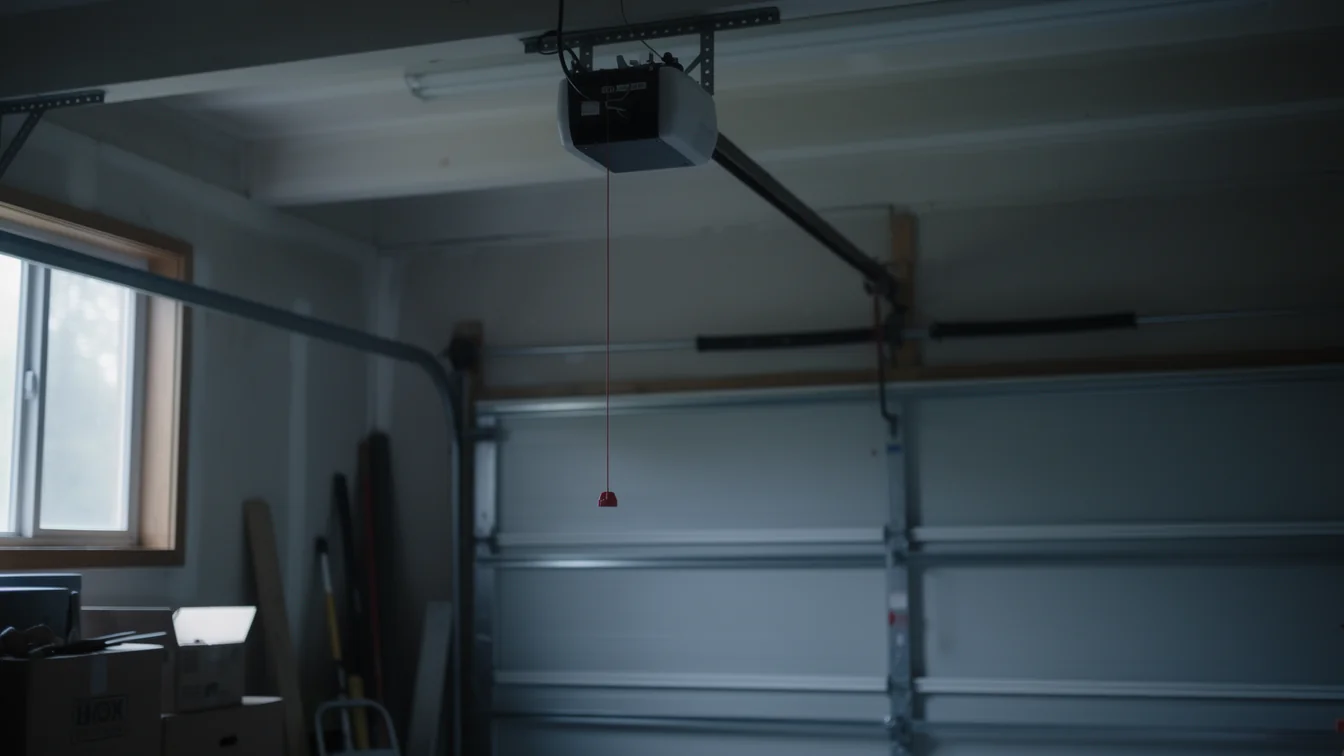
Housing in this stretch of the county went up mostly between 1968 and 2003, with the typical build landing around 1983. That means a lot of the openers still bolted to the ceiling are chain-drive units from the 80s and 90s, installed back when battery backup wasn't something anyone asked for. When the power cuts, the opener just stops. No chime, no light, nothing. The door itself is usually fine - springs and tracks don't care about electricity - but the motor that lifts it does, and if you don't know where the manual release cord is, you're stuck until the lights come back on or you figure out how to pull it by hand. Across the 13 named areas out this way, from Warm Mineral Springs four miles off to Osprey nineteen miles out, the pattern repeats: older openers, no backup power, and a household that's never actually had to find that red cord before it mattered.
The area
When It Stops Being a DIY Job
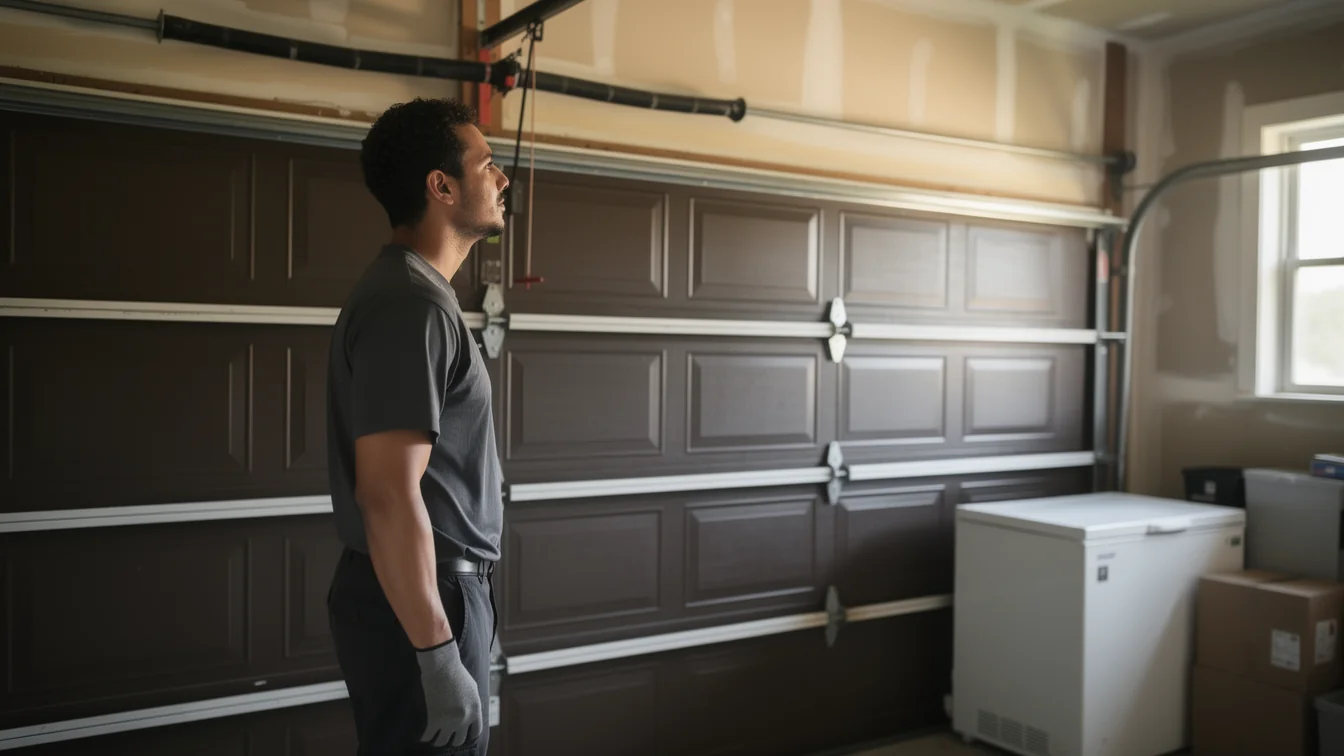
Pulling the manual release and lifting the door by hand during an outage is fine once. If you're doing it every time the power flickers, or if the door feels heavier than it should when it's disconnected from the opener, that's a spring problem, not an opener problem, and springs aren't something to troubleshoot yourself. A door that's hard to lift by hand with the opener disengaged means the springs are carrying less than their share of the weight - and springs under tension that let go wrong can break fingers or worse. If your opener trips the breaker repeatedly, or the motor runs but the door doesn't move, that's a job for someone who can open the unit up safely. We don't carry parts for every opener model made before 2000, and sometimes the honest answer is that a 30-year-old chain-drive unit isn't worth repairing - replacement is the better call, and we'll tell you that straight instead of billing you for a part that won't outlast the visit.
What we find
What the Weather Here Does to It
North Port sits in a mild temperate band, so you're not dealing with frozen tracks or ice-locked rollers the way colder parts of the country do. The wear here comes from a different direction: humidity working into old steel hardware over decades, and power cuts that have nothing to do with cold and everything to do with storms knocking the grid down for a few hours or a day. An opener built when these houses went up - most between 1968 and 2003 - was never wired with battery backup as a baseline feature, so outages here hit differently than they would in a newer subdivision. The door isn't struggling against the weather directly. It's the electronics behind it, aging through decades of humidity without ever being asked to run on battery power until this last stretch of outages started happening more often.
How we work
What to Check
Start with the manual release cord - the red one hanging from the trolley - and make sure everyone in the house knows where it is before the next outage, not during it. Next, check whether your opener has a battery backup unit at all; a lot of the stock installed when these neighborhoods were built in the 1980s and 90s simply doesn't, and retrofitting one is a straightforward add rather than a full opener swap. Listen for grinding or a motor that runs without the door moving - that usually points to a stripped gear, a common failure point on chain-drive units from that era. And if the door feels heavy with the opener disconnected, don't force it; get the springs looked at before you touch the opener at all. With 20,475 owner-occupied houses in this service area built mostly in that same stretch of decades, these aren't rare problems - they're just ones nobody mentions until the power goes out.
Talk to a local pro
Garage door trouble in North Port?
Same-day service with honest, upfront quotes.