How It Shows Up
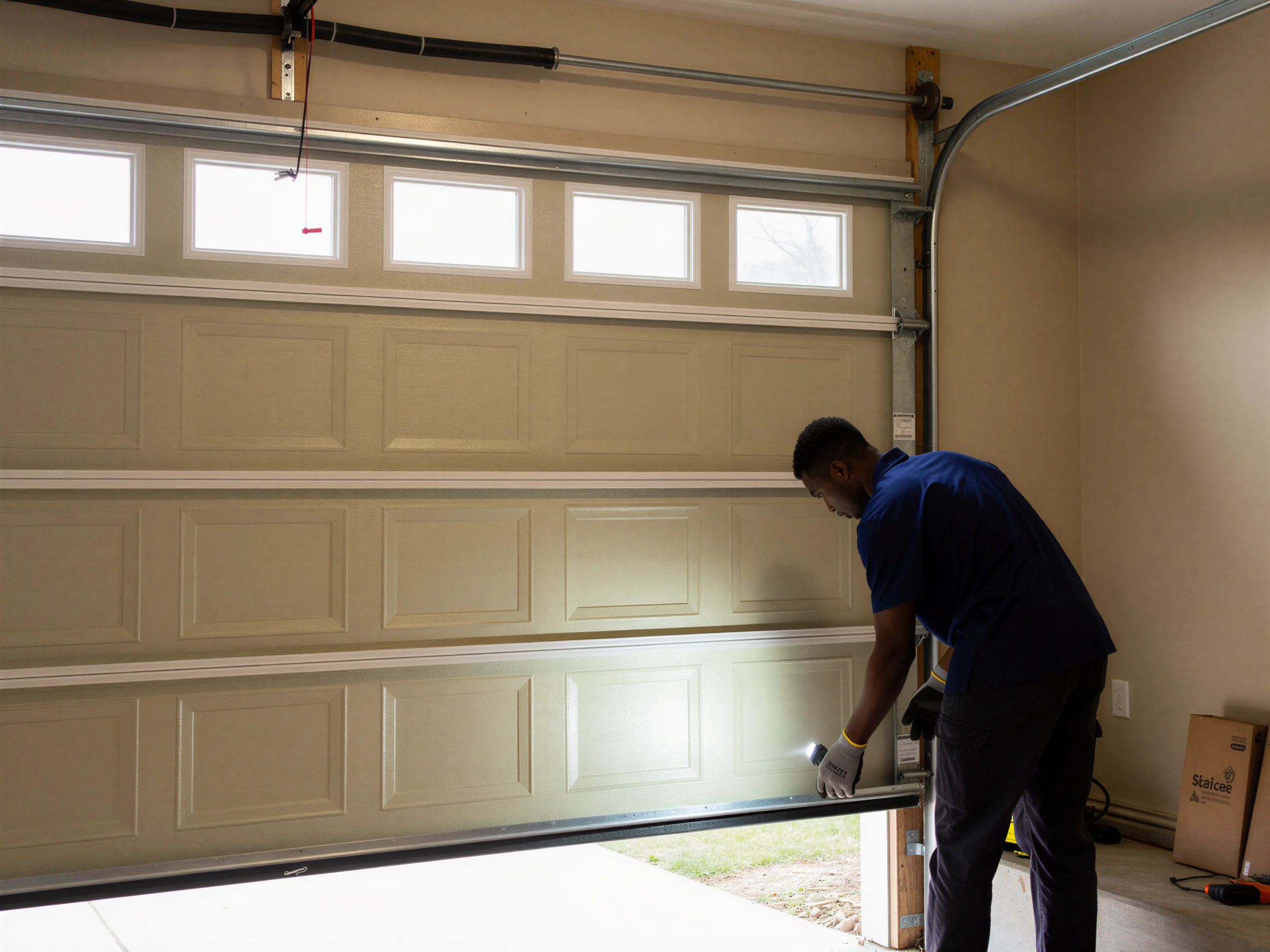
Most calls start the same way: the opener hums but the door doesn't move, or it moves a few inches and stops. Sometimes the light blinks a code and nobody in the house knows what it means.
Original or swapped openers
On a lot of the houses we get called to - built anywhere from 1968 to 2003, with the bulk going up in the 80s and 90s - the opener is either the original unit or a straight swap-in replacement from years back, so the wiring and the drive gear are older than the paint job. Another pattern: the remote works from the driveway but not from the street, or the wall button does nothing while the remote still fires.
Antenna and board faults
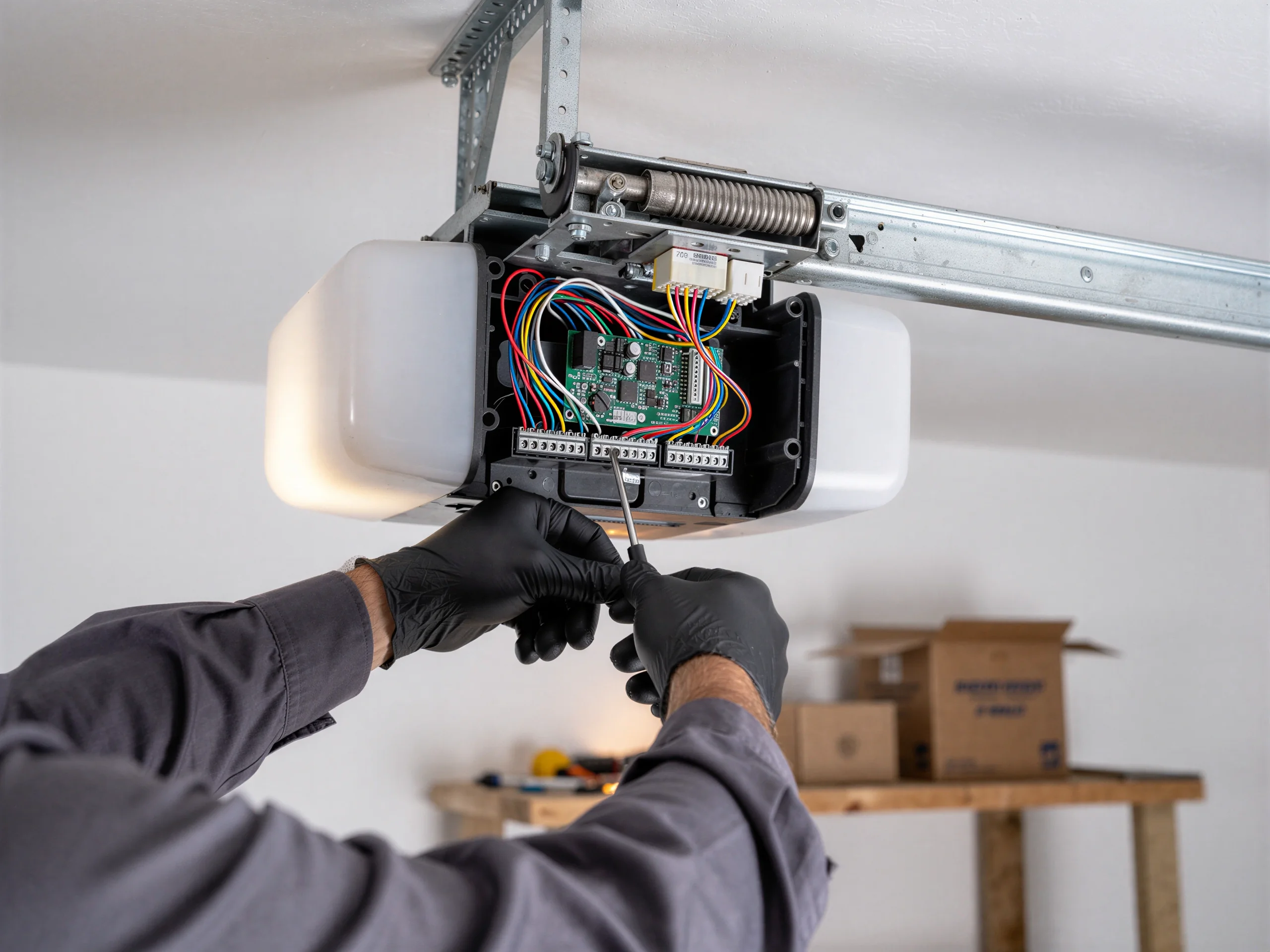
That's usually a logic board or antenna problem, not the motor itself. You'll also get openers that run fine for a week, then start reversing on their own right before they fully close - that's the safety sensor pair losing alignment, and on these 80s/90s-era houses the brackets holding those sensors were never built to be adjusted more than once.
Travel limit reversal
If the door reverses the instant it touches the floor, or it won't close at all unless you hold the wall button down, that's almost always the opener's travel limits or the sensor pair, not the springs or the track.
Doing It Yourself
A dead remote battery or a blocked photo-eye sensor accounts for a fair share of the "my opener won't work" calls we get, and those you can check yourself before calling anyone.
Sensor and battery checks
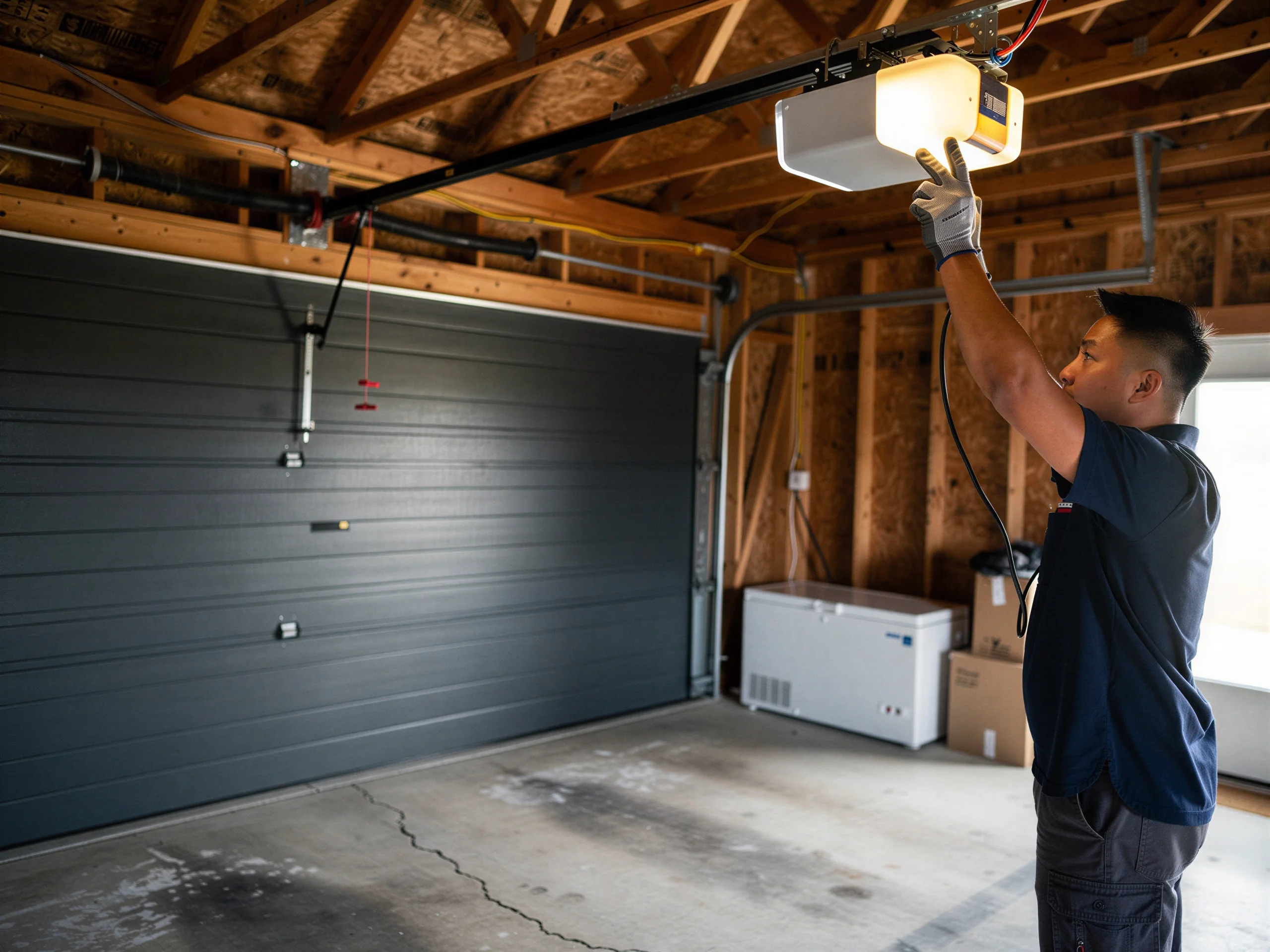
Wipe the sensor lenses, make sure nothing's parked in front of them, and swap the remote battery. If the wall button lights up and the motor hums but the door doesn't budge, stop there - that's a drive gear or belt/chain problem, and taking the cover off a powered unit to poke at it is how people get hurt.
Aged board and capacitor
We'll also say plainly: if your opener is original to a house built in the 1970s or early 80s, the circuit board and capacitor inside it are near the end of their practical life regardless of what's wrong today.
Out-of-production boards
Replacing a 40-year-old board with a part that's long out of production isn't a repair we can do - that's a case for a new opener, not a patched one. We'll tell you straight when that's where you are instead of charging you to find out twice.
What Causes It Around Here
North Port's mild temperate climate doesn't bring the hard freezes that crack plastic housings, but it does bring steady humidity, and humidity is harder on an opener's circuit board and gear housing than most owners expect. Moisture works into the logic board enclosure over years, corrodes contact points, and that's what causes the random reversals and dead-remote calls more often than any single dramatic event.
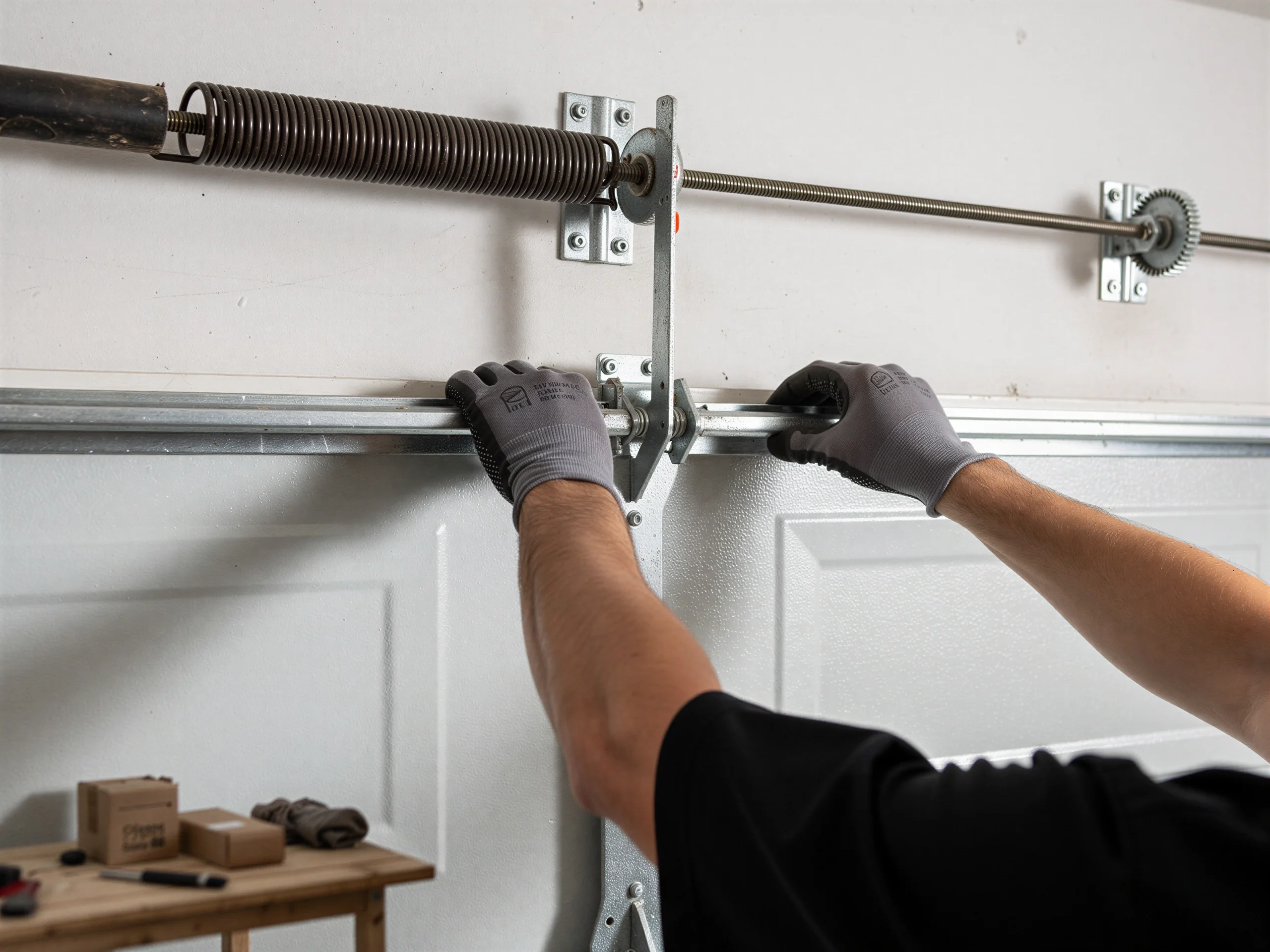
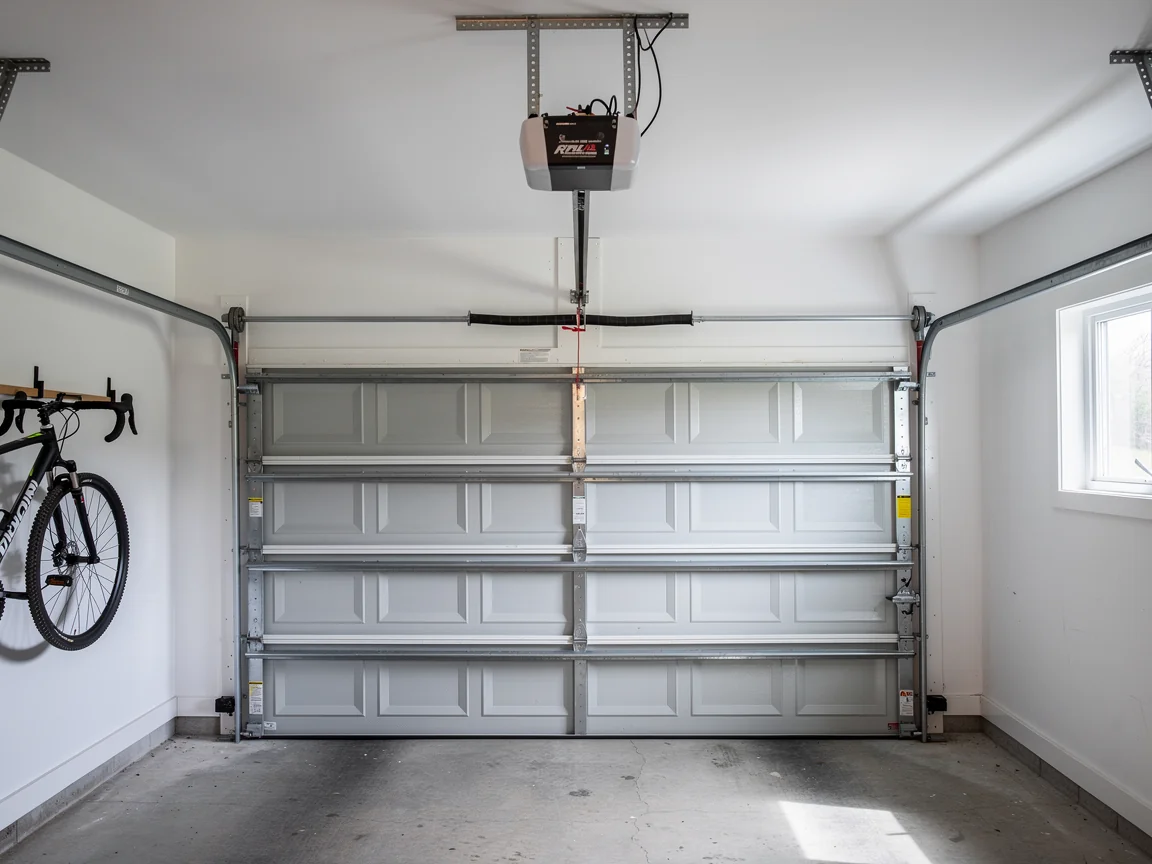
Housing stock plays a role too. Across the service area, most garages were built between 1968 and 2003, with the heaviest concentration in the 1980s and 90s, which means a huge share of openers in this area are either original chain-drive units from that build era or first-generation replacements installed in the 2000s. Both generations use grease-dependent chain or screw drives that were never designed to run maintenance-free for decades - the grease dries out, the chain stretches, and the motor starts working harder to do the same job, which eventually trips the thermal overload or burns out the drive gear.
With roughly 20,475 owner-occupied houses across the area carrying garages from that same build window, this isn't a rare failure - it's the predictable result of a lot of same-era hardware reaching the same age at roughly the same time.
What the Repair Takes
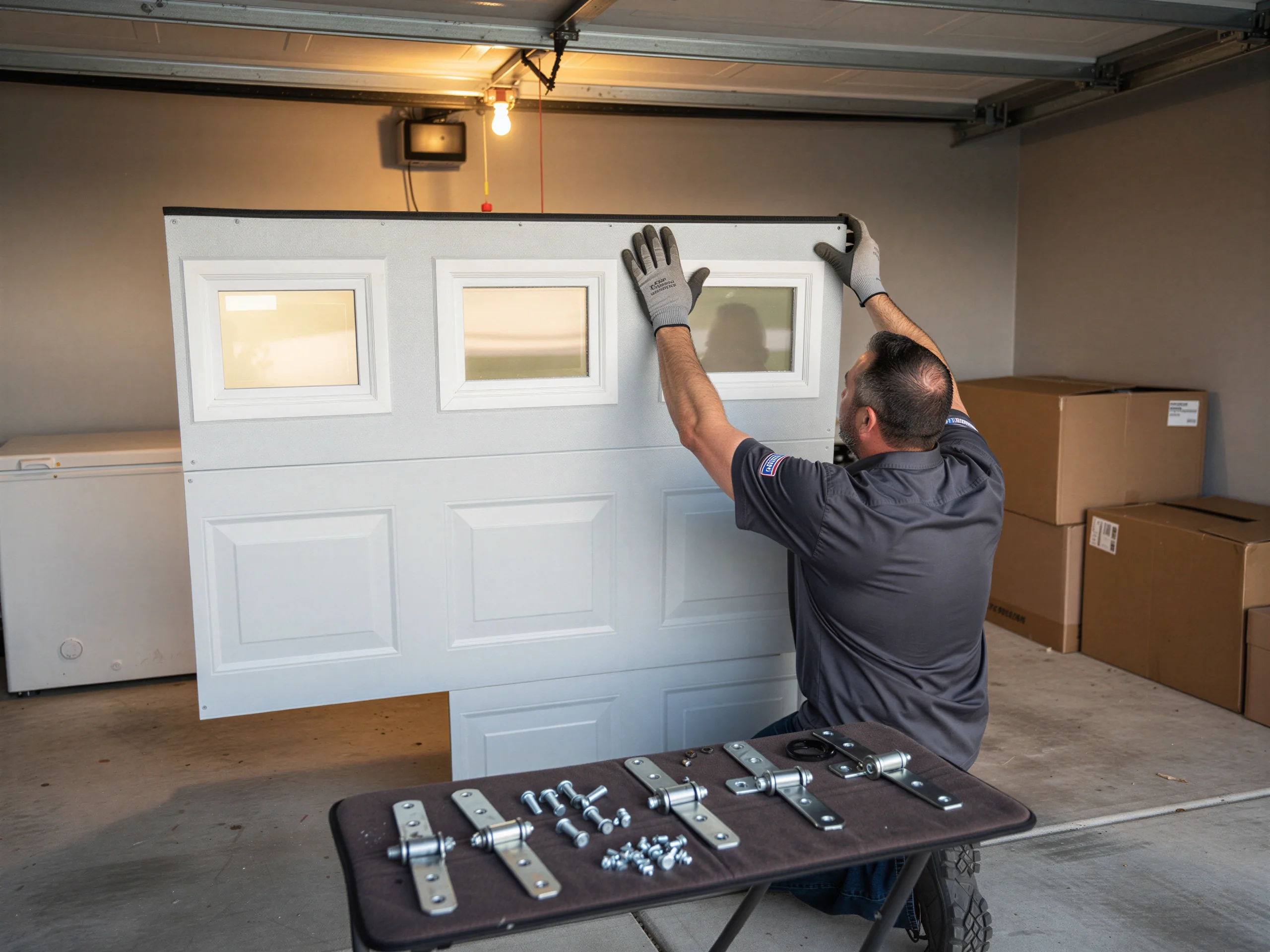
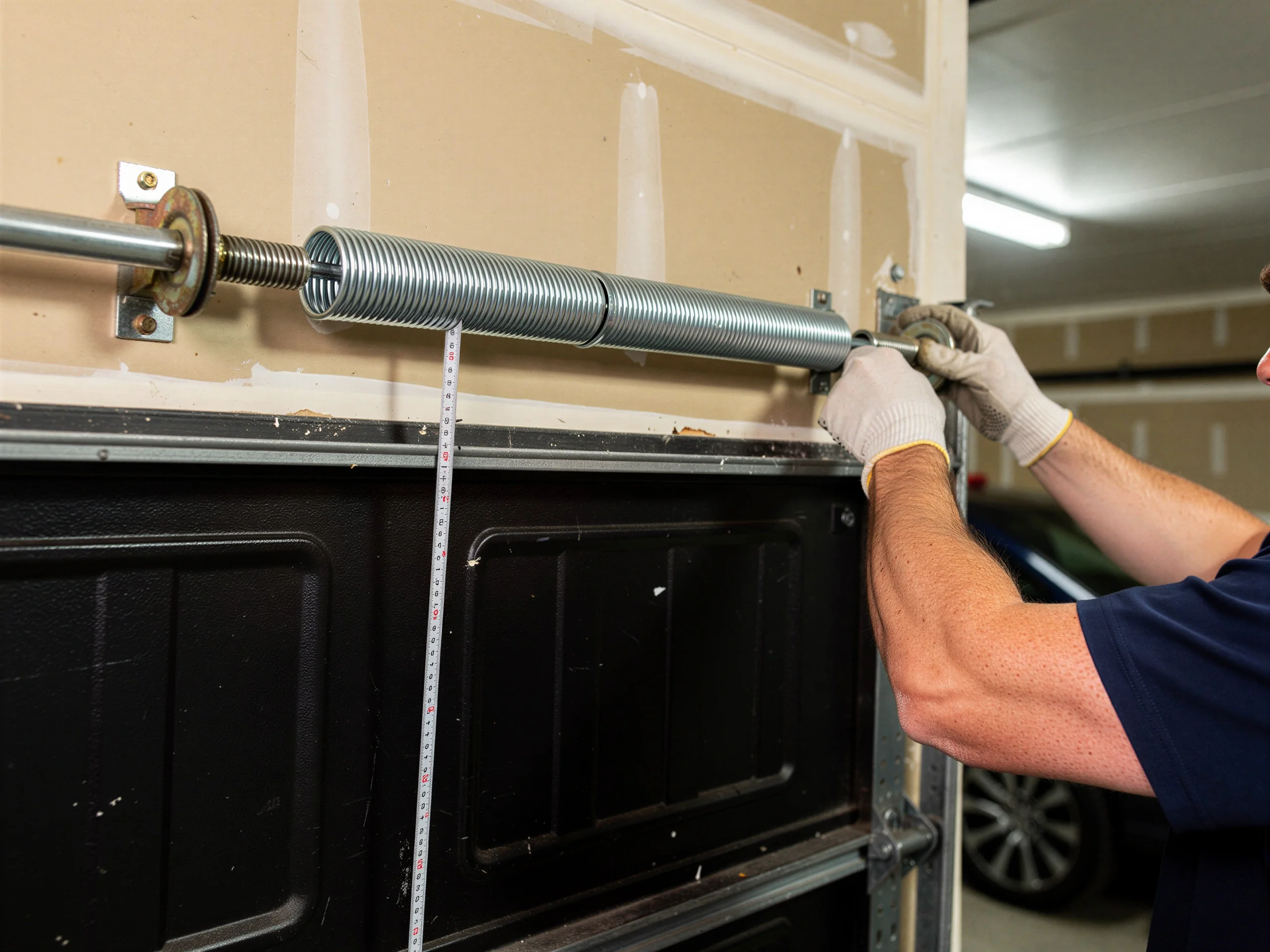
Most opener calls split into two buckets: a part swap on site - sensor, logic board, drive gear, or belt - or a full unit replacement when the motor or board is the actual failure point. We diagnose on the first visit rather than guessing over the phone, because an opener that won't close can be the sensors, the limit settings, or the motor, and those three things look identical from the driveway.
Parts availability is the honest limitation here: openers from the 80s and early 90s often used drive components that aren't made anymore, so a same-day fix on a genuinely original unit sometimes isn't possible - we'll source what we can or recommend a replacement unit instead of leaving you waiting on a part that may never ship. For anything newer, most jobs wrap in a single visit.
Talk to a local pro
Garage door service in North Port?
Same-day service with honest, upfront quotes.