How It Shows Up
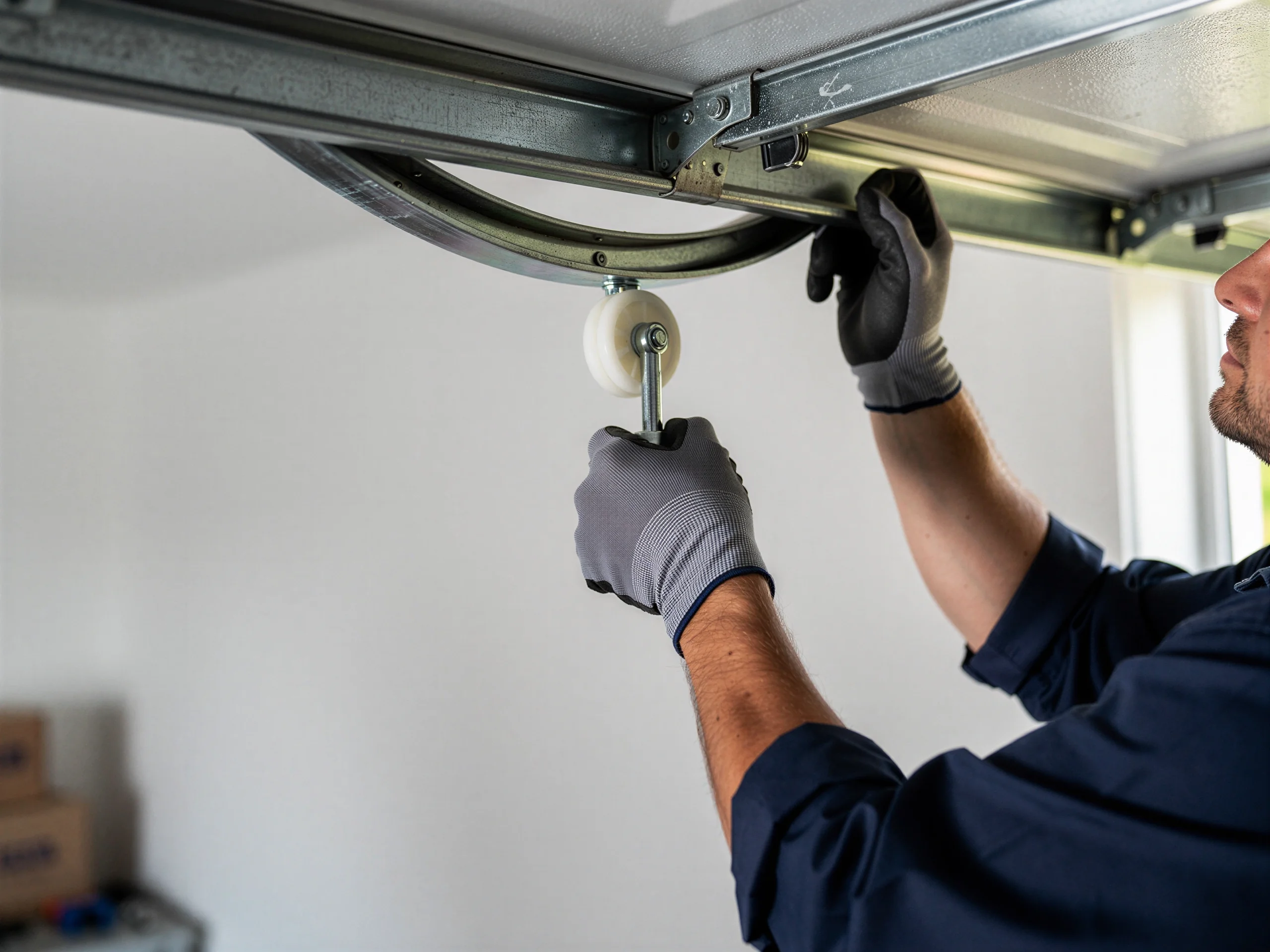
The first sign is almost always sound, not a stuck door. A grinding or popping noise as the door travels through the curved part of the track, right where the roller transitions from vertical to horizontal, is a roller going bad.
Shimmy on newer builds
On the newer builds you'll see a slow shimmy at that same spot - the door looks like it's walking sideways for a second before it settles back onto the track. Older steel rollers tend to seize up first, dragging and chattering the whole way.
Nylon rollers flattening
Nylon rollers, which is most of what's out there, wear quieter but eventually crack at the stem or flatten on one side, and once that happens the door starts binding every single cycle, not just once in a while. Left alone, a bad roller doesn't stay a roller problem.
Side load strains opener
It chews up the track edge, stresses the hinge it rides in, and on a double door it can throw enough side load that the opener starts straining to pull the door the last foot of travel. If you're hearing a specific noise at a specific spot in the track, that's roller wear talking, not the opener and not the spring.
Doing It Yourself
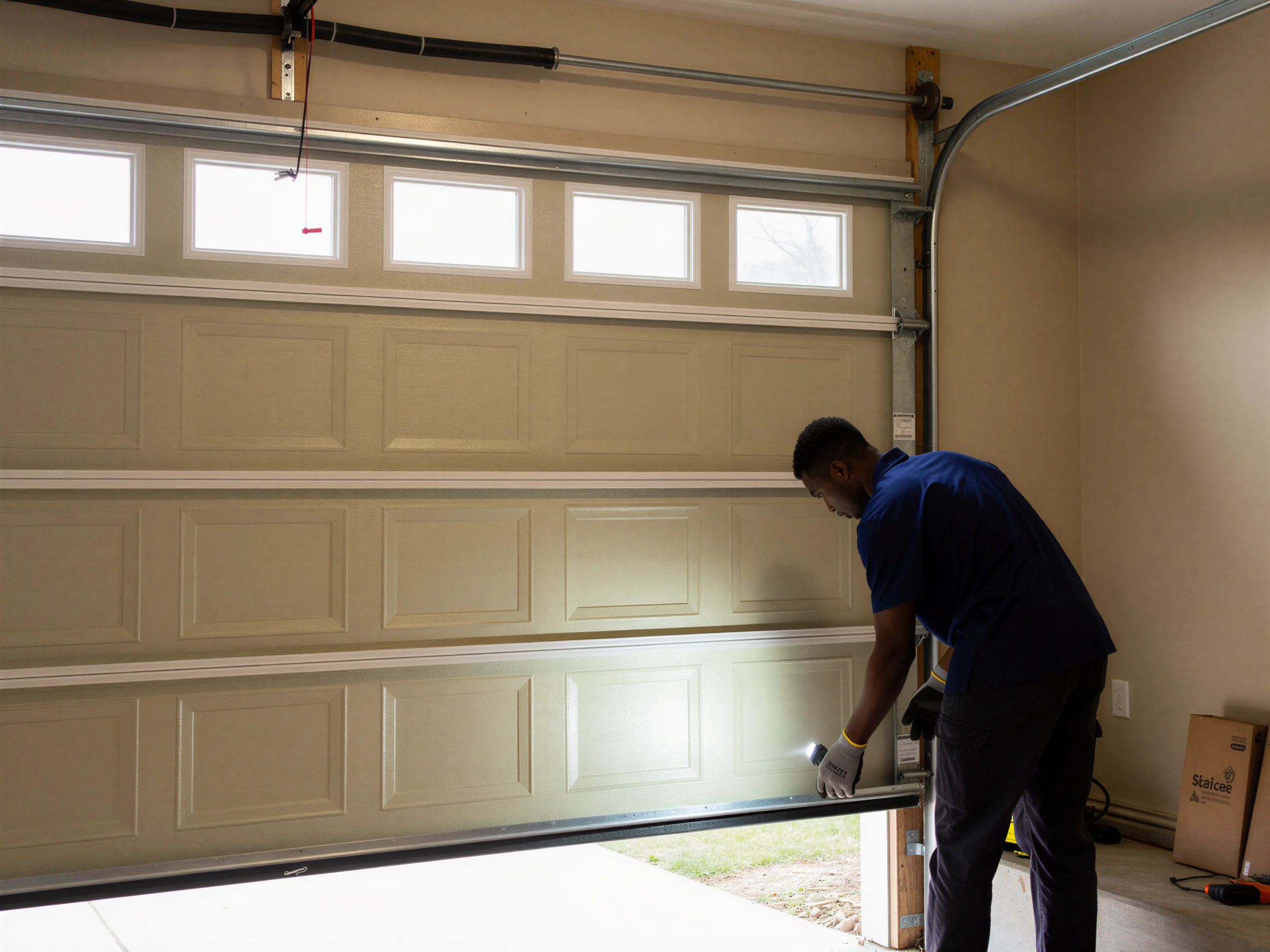
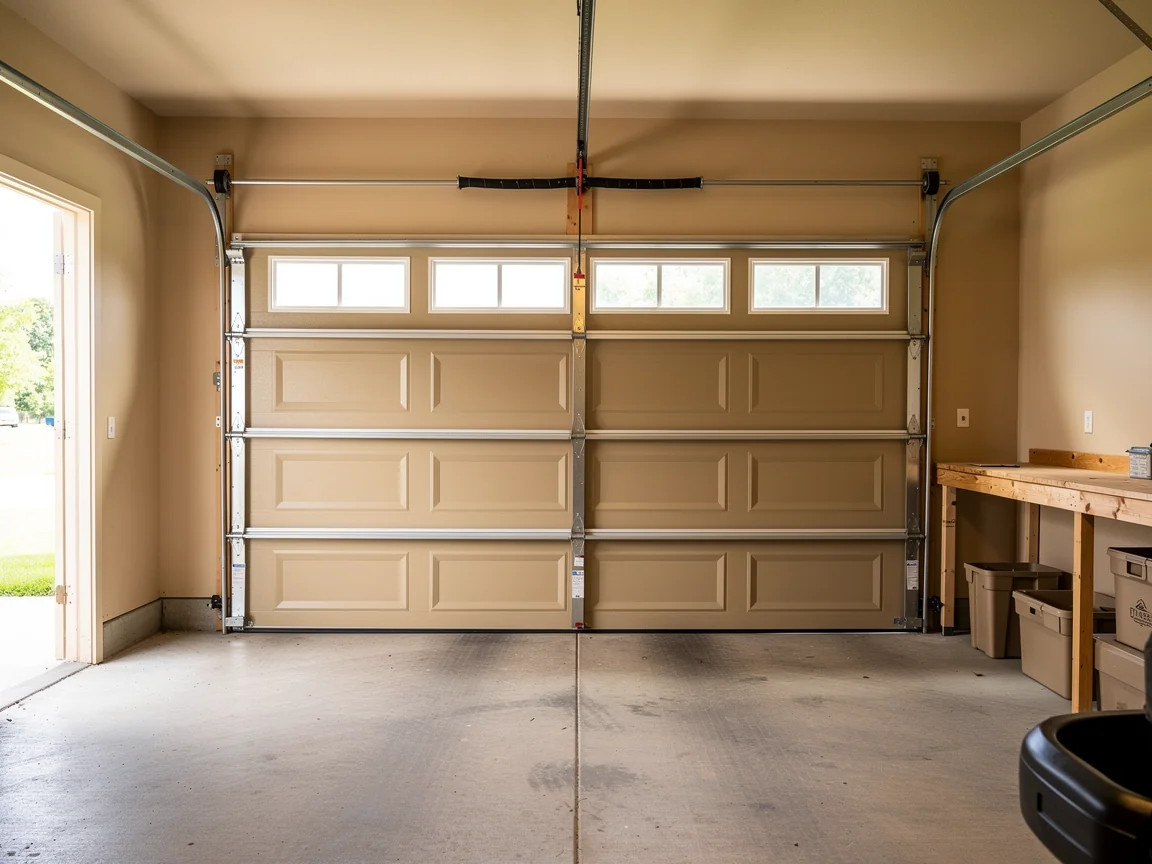
You can inspect rollers yourself with the door disconnected from the opener and moved by hand - look for flat spots, cracked nylon rims, or a wheel that doesn't spin freely on its stem.
Lithium lubrication not WD-40
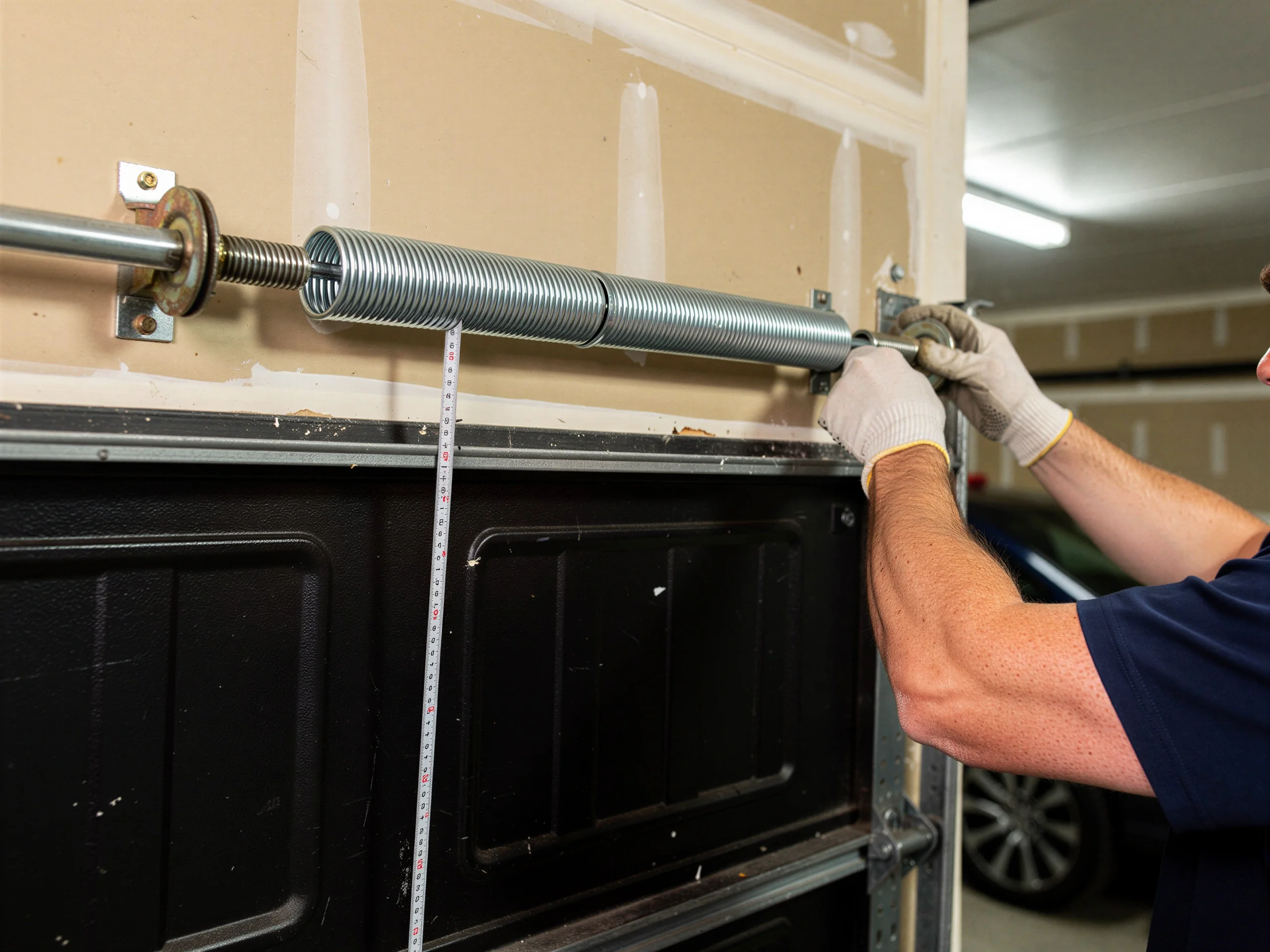
Lubricating the rollers with a garage-door-specific lithium or silicone spray (not WD-40, which washes grease out rather than adding it) can buy you a few extra months if wear is light. What you shouldn't do yourself is pull rollers out of the bottom bracket or anywhere near the bottom section while the door is under spring tension - that bracket holds cable under load and it is not a weekend project.
Top roller swap risk
Swapping the rollers on the top two sections away from the cables is lower risk if you've got the right tool and know how to support the door, but we'd rather tell you that honestly than have you find out the hard way.
Dirty or cracked diagnosis
If a roller is simply dirty or dry, clean and lube it and see how it runs for a week before you call anyone. If it's cracked, flat-spotted, or the stem is bent, that's a parts call, not a maintenance call.
What Causes It Around Here
Most of the housing in this service area went up between 1968 and 2003, with the bulk of it dating to the 1980s and 90s, and across the thirteen communities we cover - from Warm Mineral Springs out to Osprey - that means a lot of original hardware is 20 to 40 years past its install date. Rollers are a wear part with a service life measured in cycles, and a door that's been opening and closing daily since the Reagan or Clinton era has simply put more miles on its rollers than a door built last year, regardless of how well it was maintained. The mild temperate climate here doesn't put rollers through the freeze-thaw cracking you'd see up north, but it does mean steady humidity and heat exposure, which breaks down the nylon in older rollers faster than dry, cold air would, and lets any steel roller with chipped paint start surface-rusting on the axle. On tracks that run along a garage facing full sun most of the day, that heat-and-humidity cycle is steady, not seasonal, which is part of why roller wear here tends to be gradual rust-and-crack rather than the sudden snap you get from an ice jam elsewhere.
What the Repair Takes
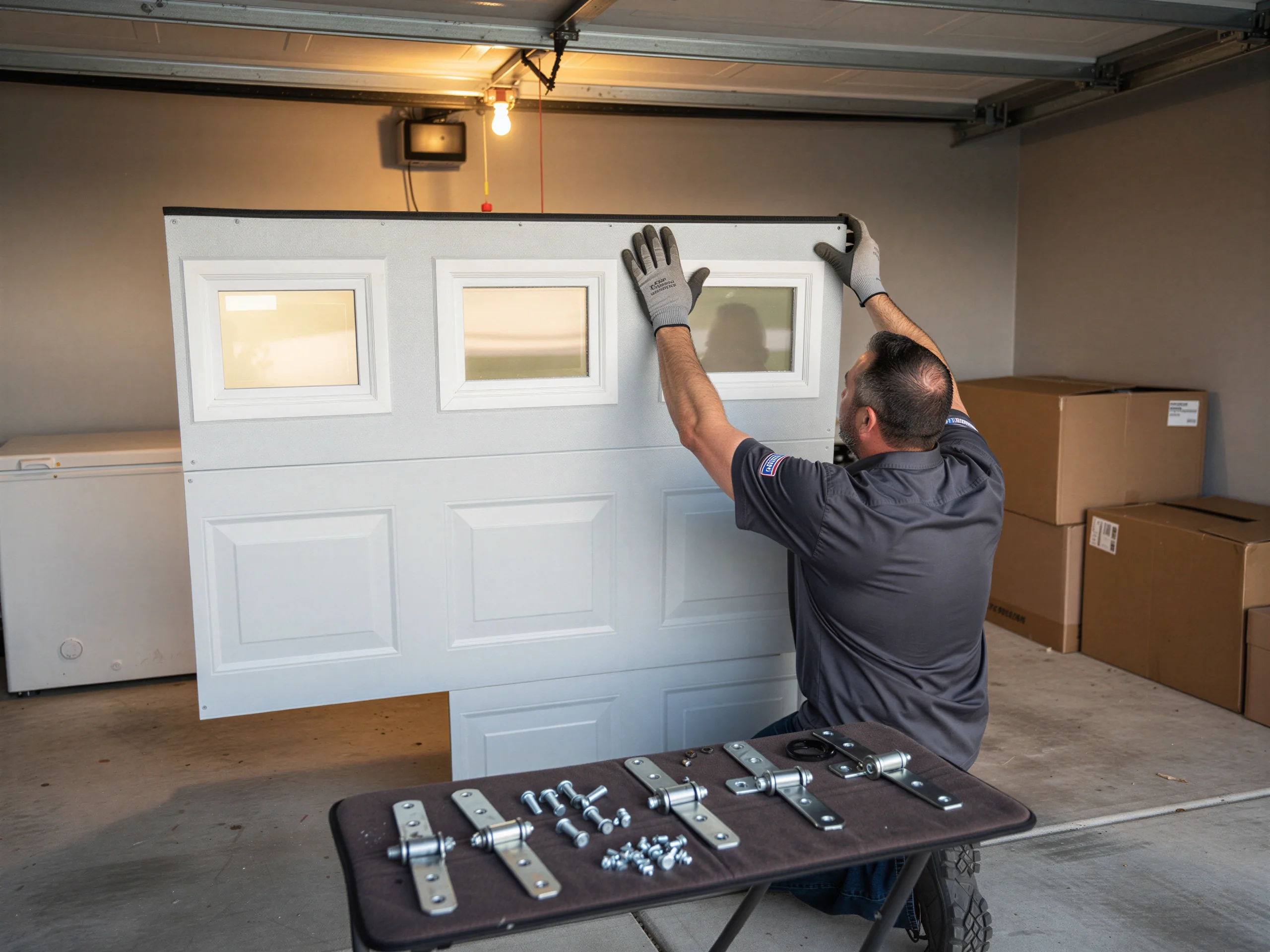
A straightforward roller replacement is a bracket-off, bracket-on job per section - disconnect the door, pull the old roller out of its bracket, seat the new one, and repeat down each side, with the bottom brackets needing care because they're under cable tension.
Roller count and upgrades
On a standard double door that's typically eight to ten rollers total. We run steel ball-bearing rollers as the step up from stock nylon on doors that see heavy daily use, since they hold up better under the humidity and sun exposure typical here, though they run louder than nylon unless you add nylon-sleeved versions.
Track damage separate repair
If the track itself has been scored or bent from rollers that were left to grind too long, that's a separate repair and we'll tell you up front rather than quote a roller job and hand you a bigger bill later.
Uncommon stem delays
We don't stock every roller size for every door brand on the truck, so an uncommon stem length or an odd bracket spacing can mean a short order delay - we'd rather say that now than promise same-day on something we can't guarantee.
Talk to a local pro
Garage door service in North Port?
Same-day service with honest, upfront quotes.