How It Shows Up
The pattern is almost always the same. The door starts reversing for no reason, or it only opens halfway before the motor strains and stops.
Humming motor, no lift
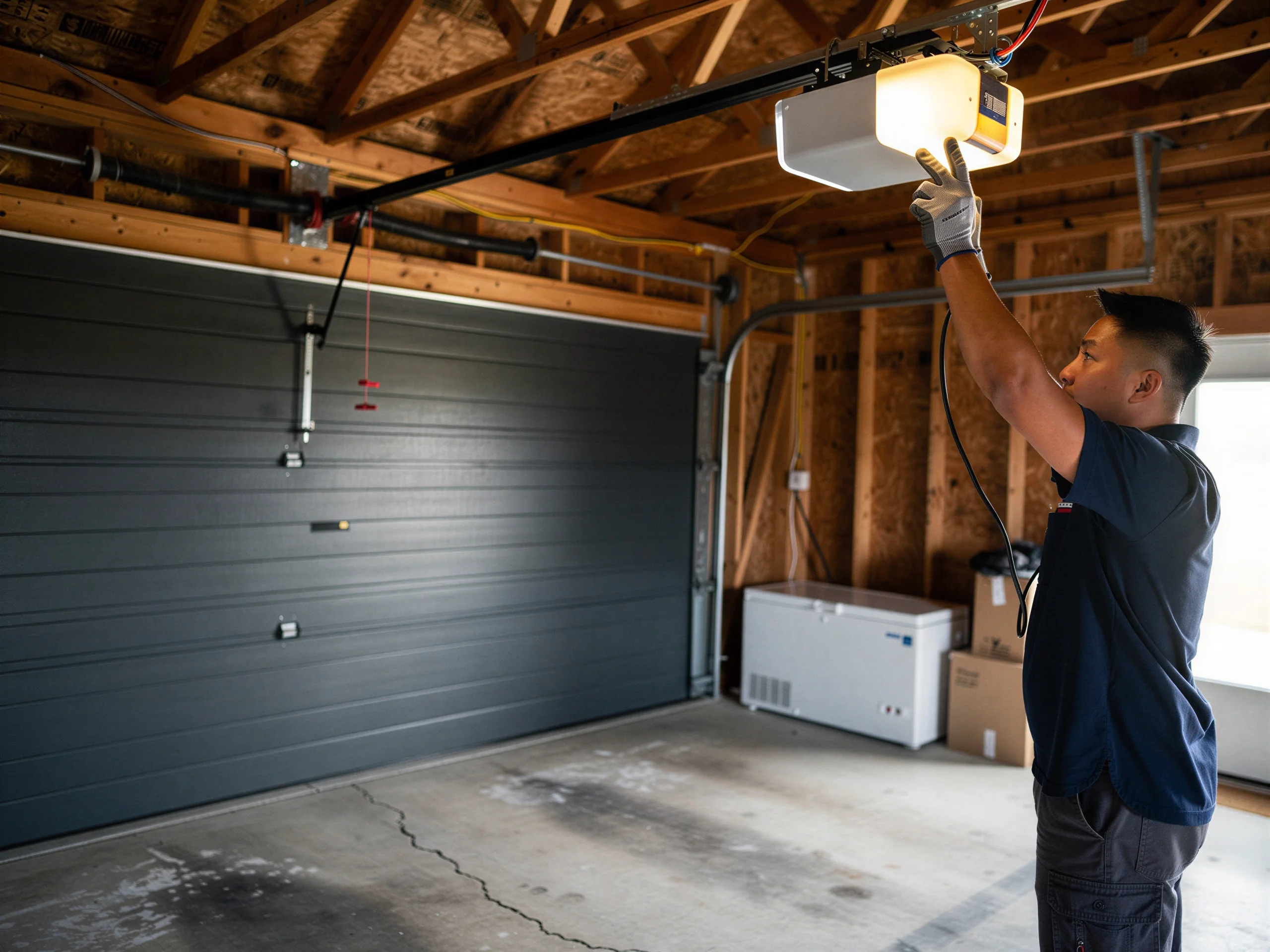
Sometimes the light flickers on the unit and nothing moves at all. You press the remote and get a hum instead of a lift. Most of the openers we pull out in this area were installed when the house was built, somewhere between 1968 and 2003, and chain-drive units from that era are now thirty to fifty years old.
Gradual gear wear
The gears inside wear down slowly, so the symptoms creep in over months - a slower close, a louder motor, a door that needs two or three tries before it catches. By the time it quits for good, homeowners usually tell us it had been 'acting up' for a while.
Opener versus spring symptoms
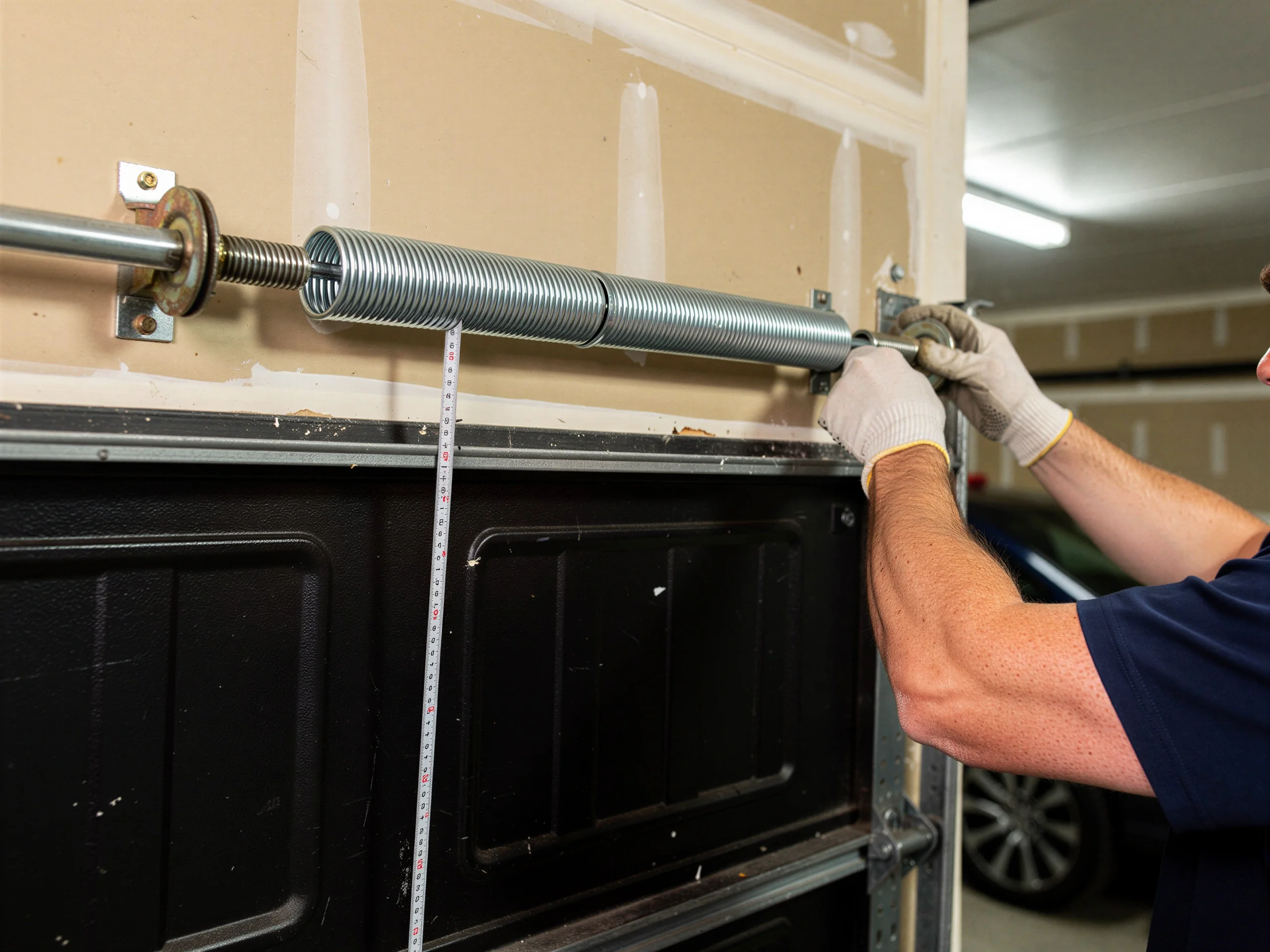
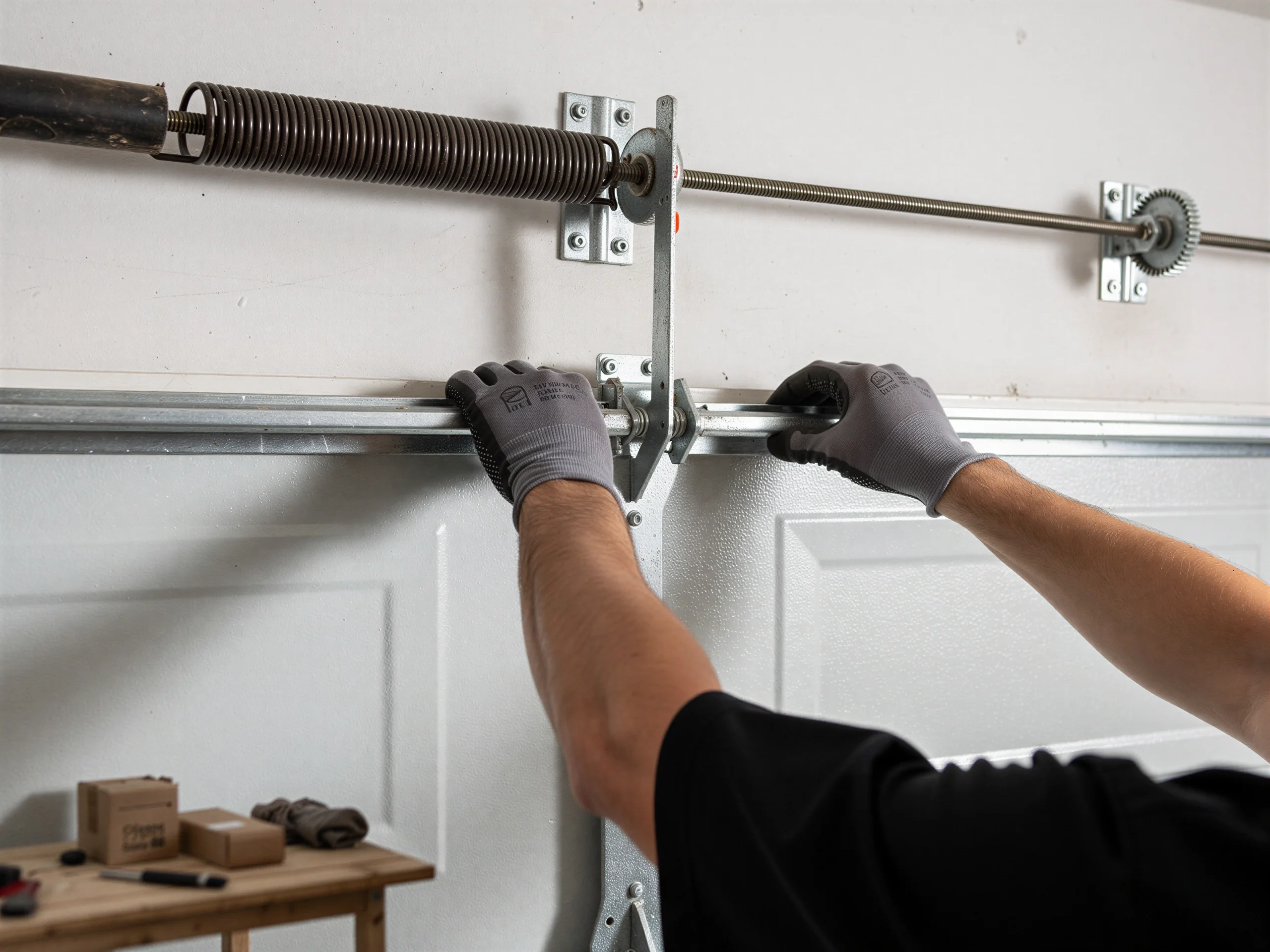
A failing opener isn't always obvious from the symptom alone. A worn opener and a worn spring can look almost identical from the driveway - both leave the door struggling to lift. The difference matters because one is a motor swap and the other is a spring job, and they aren't priced or scheduled the same way.
Doing It Yourself
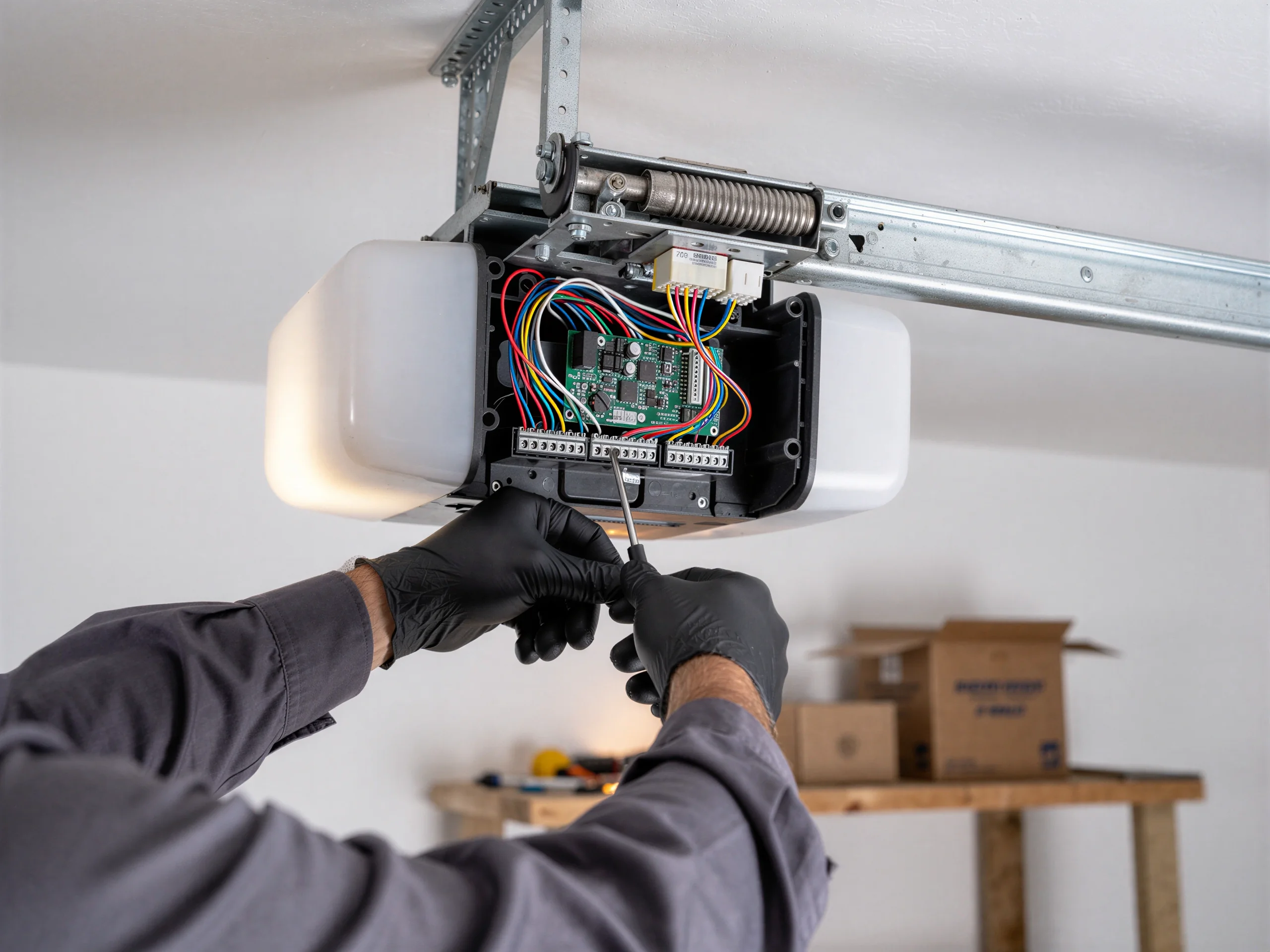
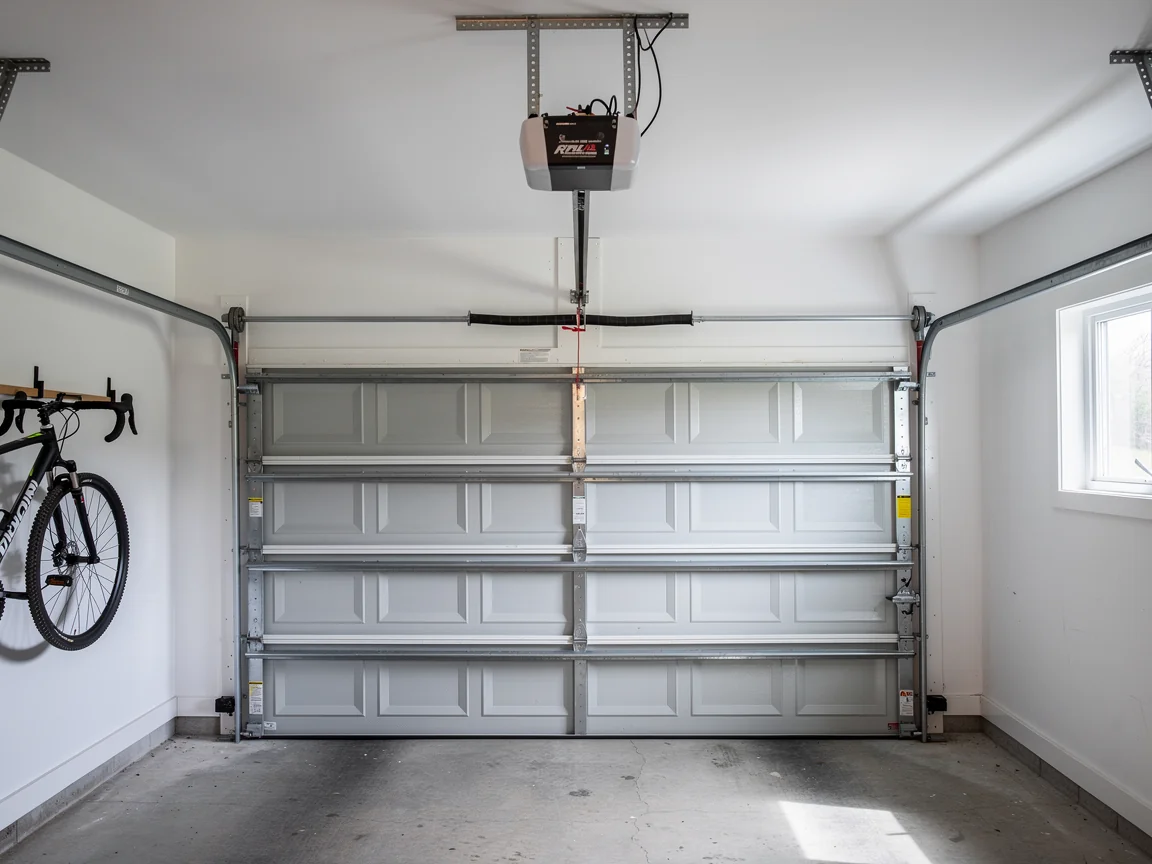
Swapping an opener yourself is possible if you're comfortable on a ladder and patient with wiring diagrams. The hard parts aren't the bolts - they're the safety sensors, the travel limits, and the force settings, which have to be dialed in correctly or the door will either slam or refuse to close at all.
Reusing old rails
Where people get into trouble is reusing old brackets or rail sections from a decades-old install and assuming they'll fit the new motor head. They often don't, not quite, and a half-fitted rail is worse than the old opener.
Shifted header bracket
If your house is one of the 1980s or 90s-built homes common across this service area, the header bracket above the door may also have shifted slightly over the years, which throws off alignment on a new unit.
Testing auto-reverse safety
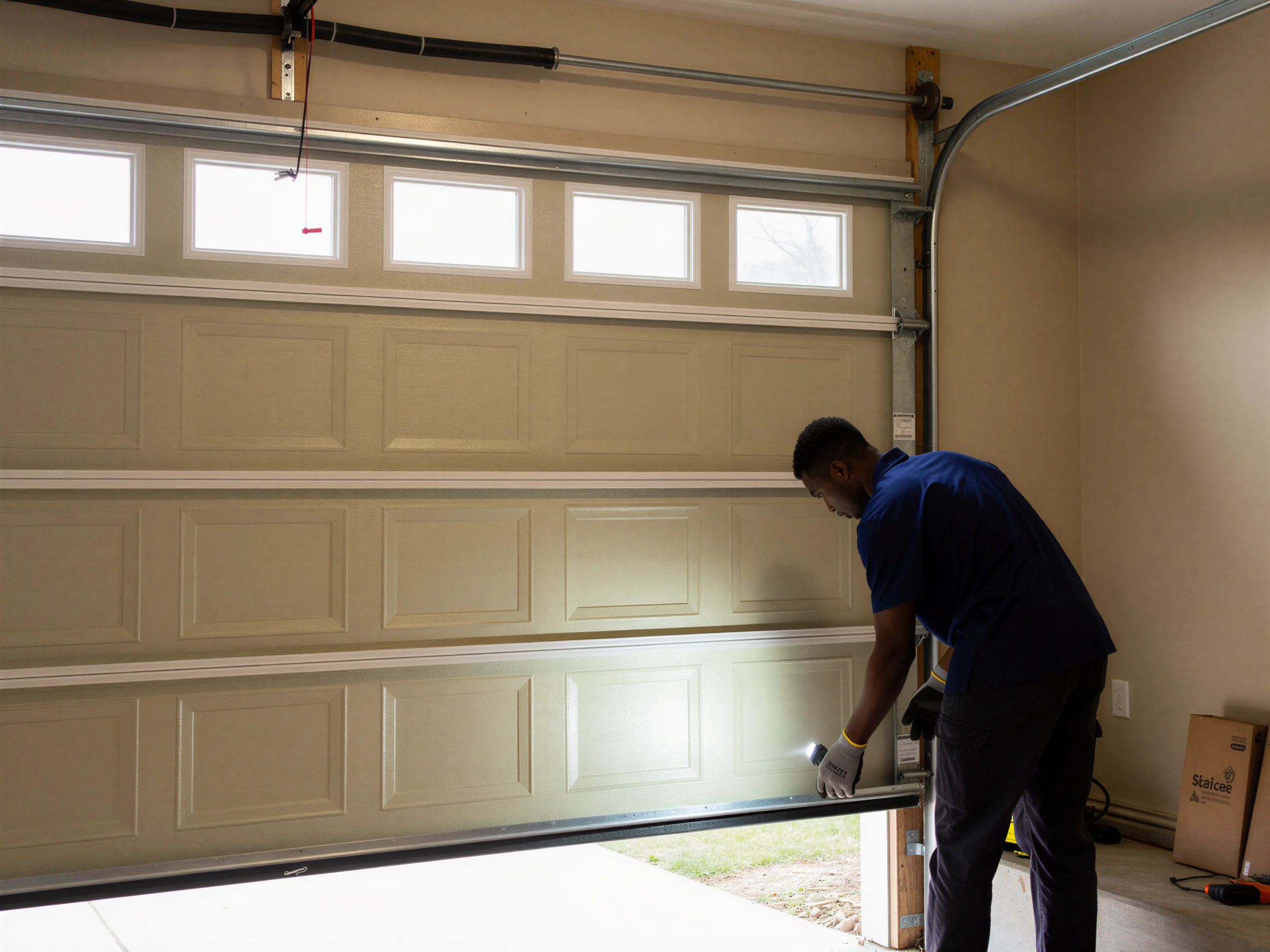
If you do it yourself, test the auto-reverse safety feature before you walk away from the job - a door that doesn't reverse on contact with resistance is a real hazard, not just an inconvenience.
What Causes It Around Here
Across the 13 named communities in this service area - from Warm Mineral Springs four miles out to Osprey nineteen miles - the housing stock runs overwhelmingly 1980s and 90s construction, with the broader range going back to 1968. That means a large share of garage openers were installed once, decades ago, and never touched again until they failed outright.
The mild temperate climate here means the failure we see is motor and gear wear from age and humidity, not the freeze-thaw cracking that kills openers in colder regions. Humidity gets into older circuit boards and logic boards over enough years, and the capacitors degrade even if the house itself is in good shape. It's a slow failure, not a storm-driven one.
With roughly 20,475 owner-occupied houses across this service area, a lot of them are now hitting the age where the original opener motor is past the point where a belt or capacitor swap buys more than a year or two.
What the Repair Takes
A straight opener installation, where the existing rail and header bracket are in decent shape, is usually a same-visit job - remove the old motor head, mount the new one, re-run the safety sensor wiring, and set travel limits and force.
Rotted mount rebuild
If the rail or bracket is bent or the mounting wood has rotted, that adds time, since it means rebuilding part of the mount before the new unit goes up.
Brand-specific board waits
We don't carry every brand's logic board or circuit kit on the truck, so if you're trying to repair rather than replace an older opener with a proprietary part, there can be a short wait on parts. For units built before the mid-1990s, replacement is almost always the better call than chasing a discontinued board.
Matching motor to door
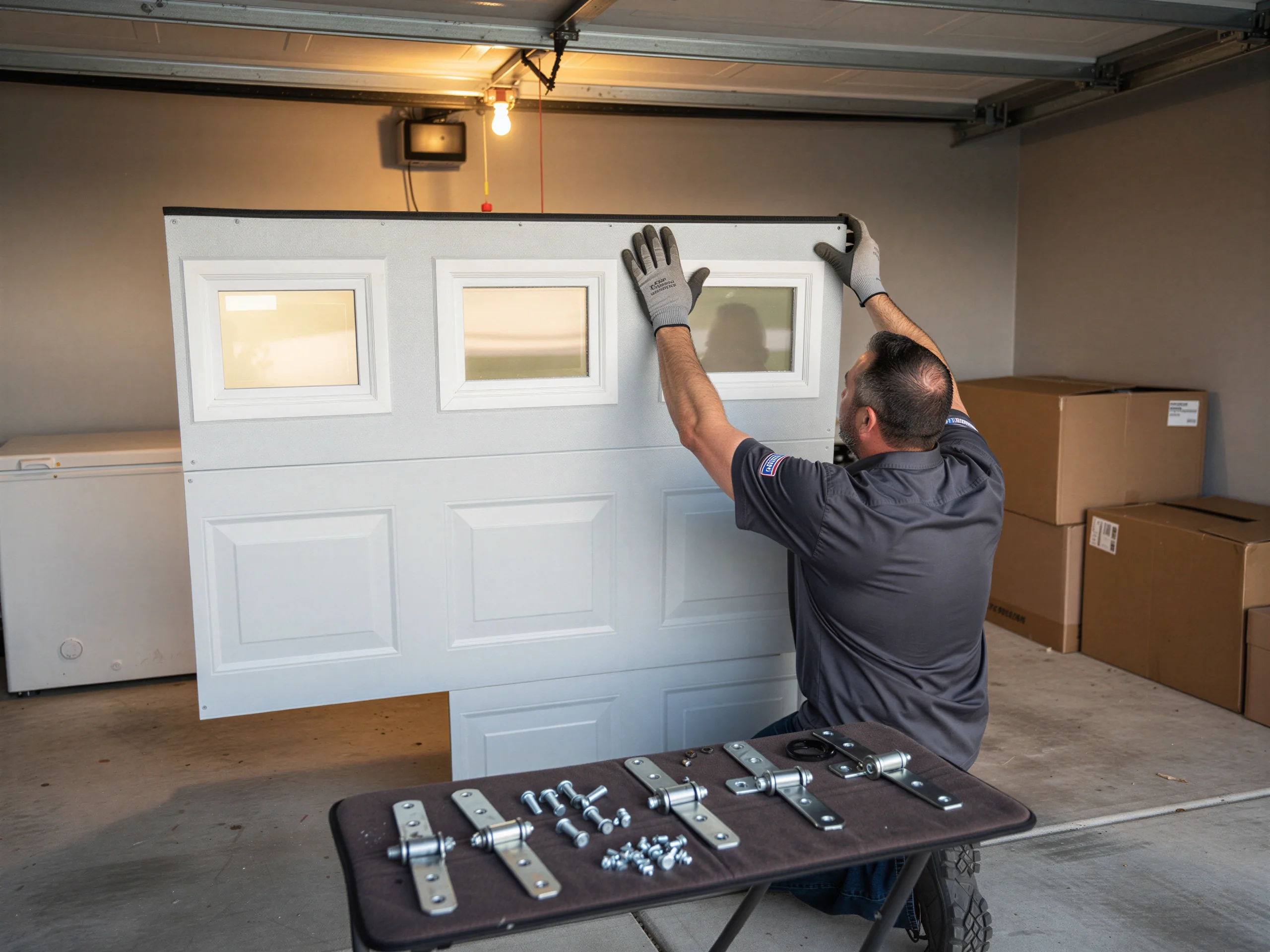
Part of the job is matching the opener to the door itself - weight, spring type, and whether it's a single or double door all affect which motor size makes sense. We check that before anything goes on the wall, not after.
Talk to a local pro
Garage door service in North Port?
Same-day service with honest, upfront quotes.