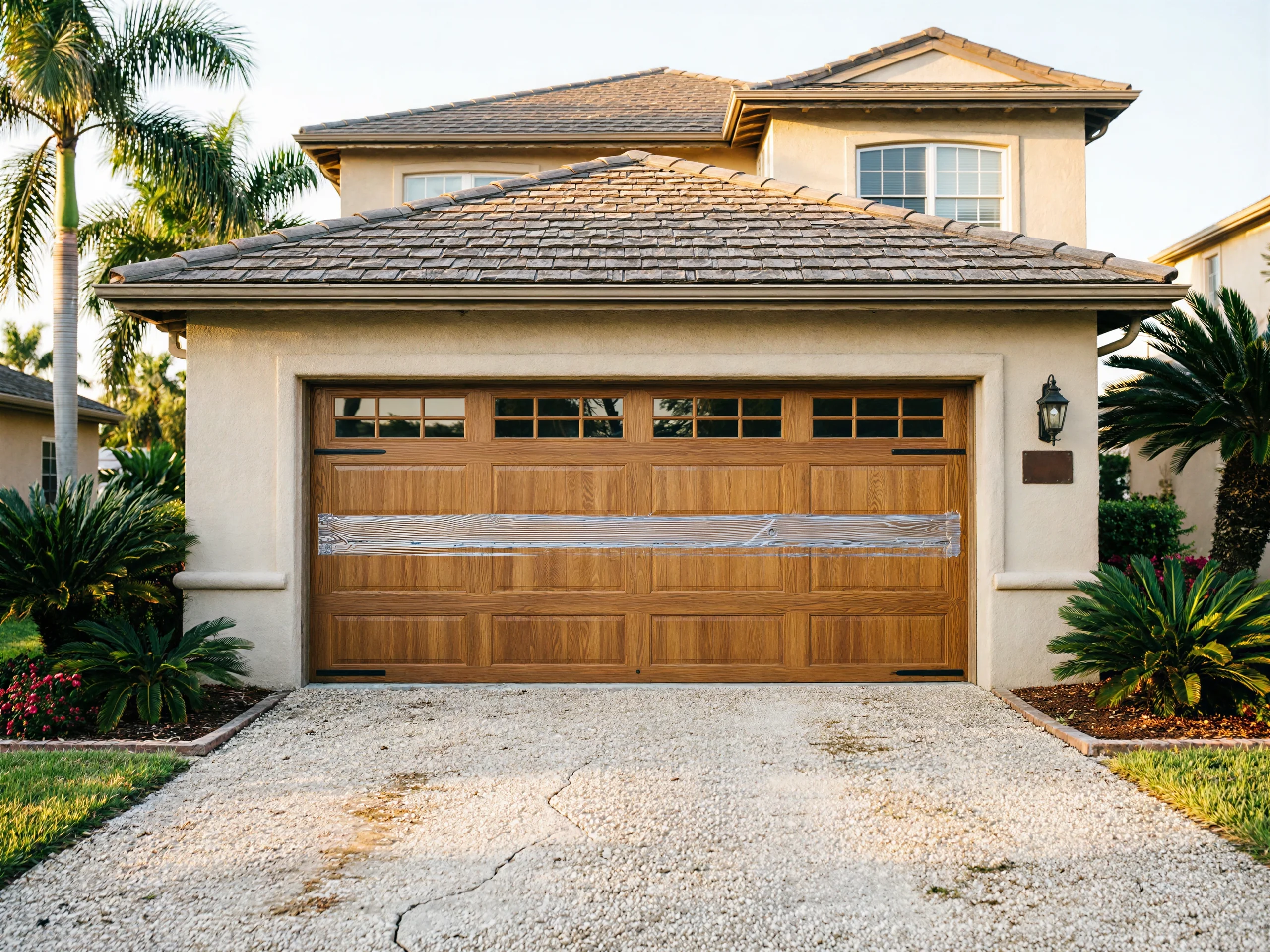
What Is on the Truck
South Venice sits 13 miles from our North Port shop, so when a crew rolls out for a new install, the truck is loaded for the job before it leaves - not restocked halfway through the day.
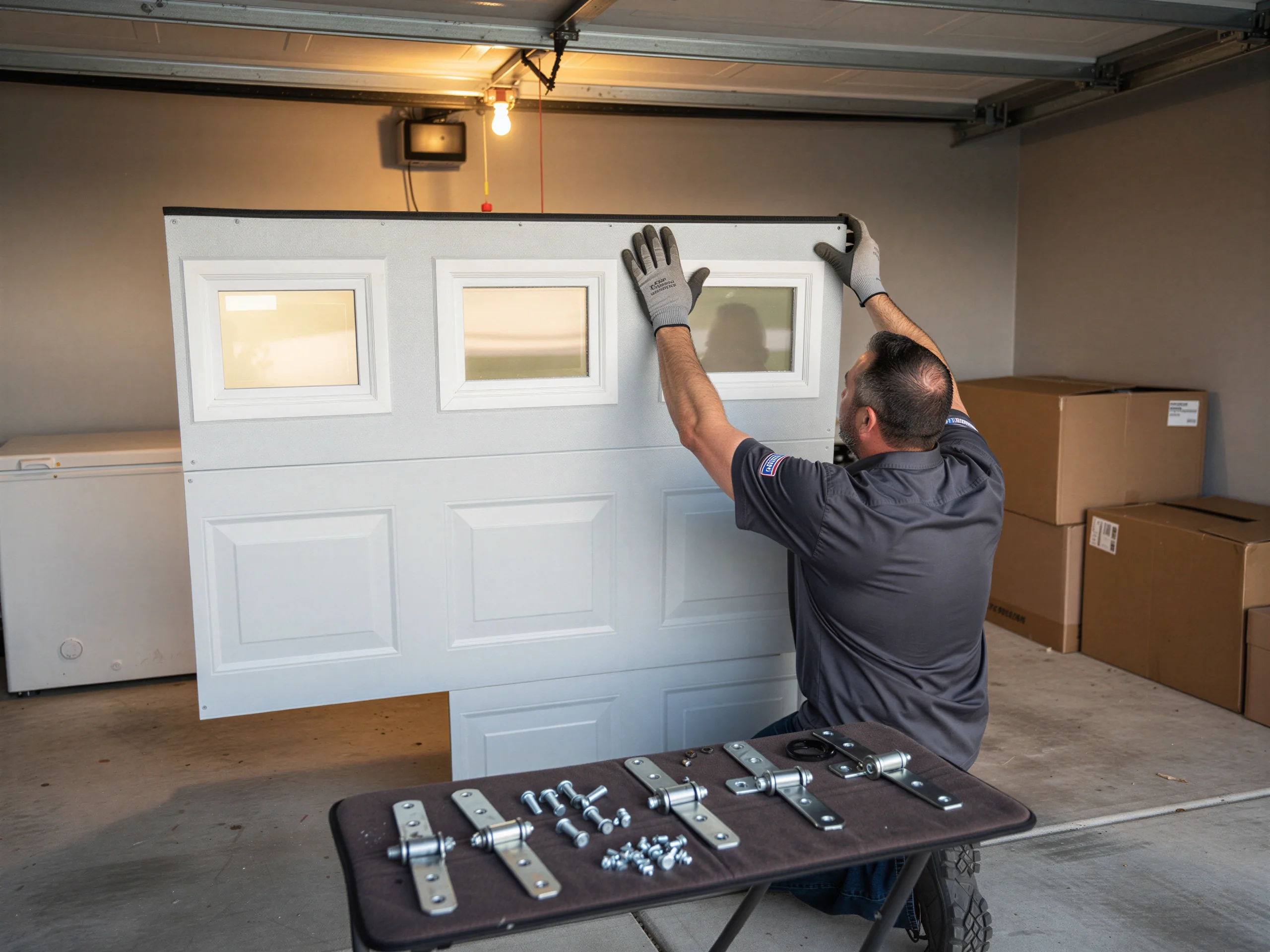
Full-size insulated panels
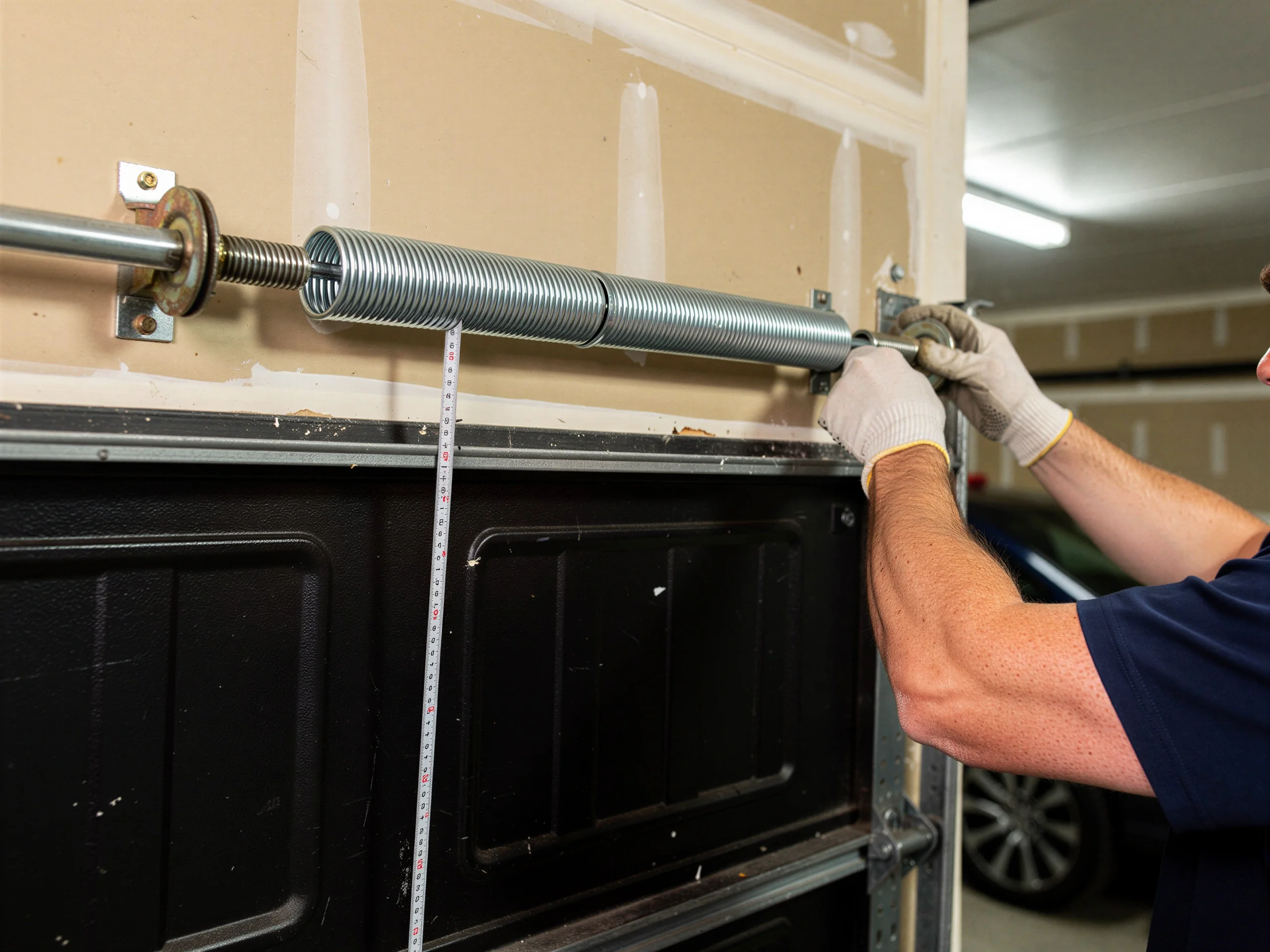
That means full-size door panels in standard widths, torsion springs sized for the heavier insulated doors that fit this area's 1980s-built garages, and both galvanized and stainless hardware, since houses this close to the coast see more salt in the air than inland stock.
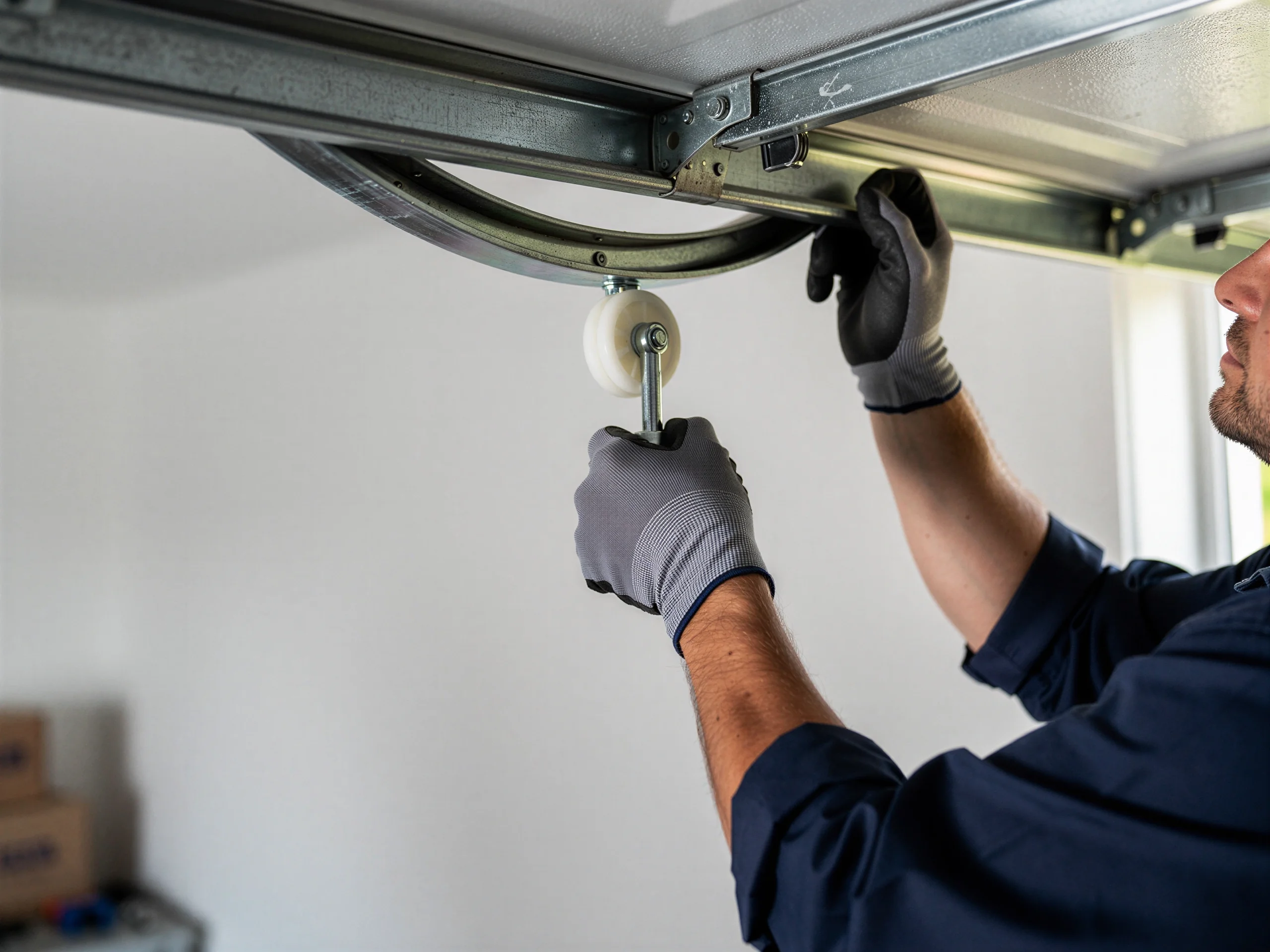
Two standard track setups
We carry a couple of standard track configurations on board because older openings here were framed for doors that aren't always the same height as what's sold today. The one thing we don't carry on spec: custom-width doors for an opening that was framed oddly or expanded later.
Photo-confirmed opening dimensions
Those get measured on the first visit and ordered, which adds time before the second trip. Given the drive, we try to confirm exact opening dimensions over the phone or from photos before the truck ever leaves, so the first visit is the only visit whenever the opening is a standard size.
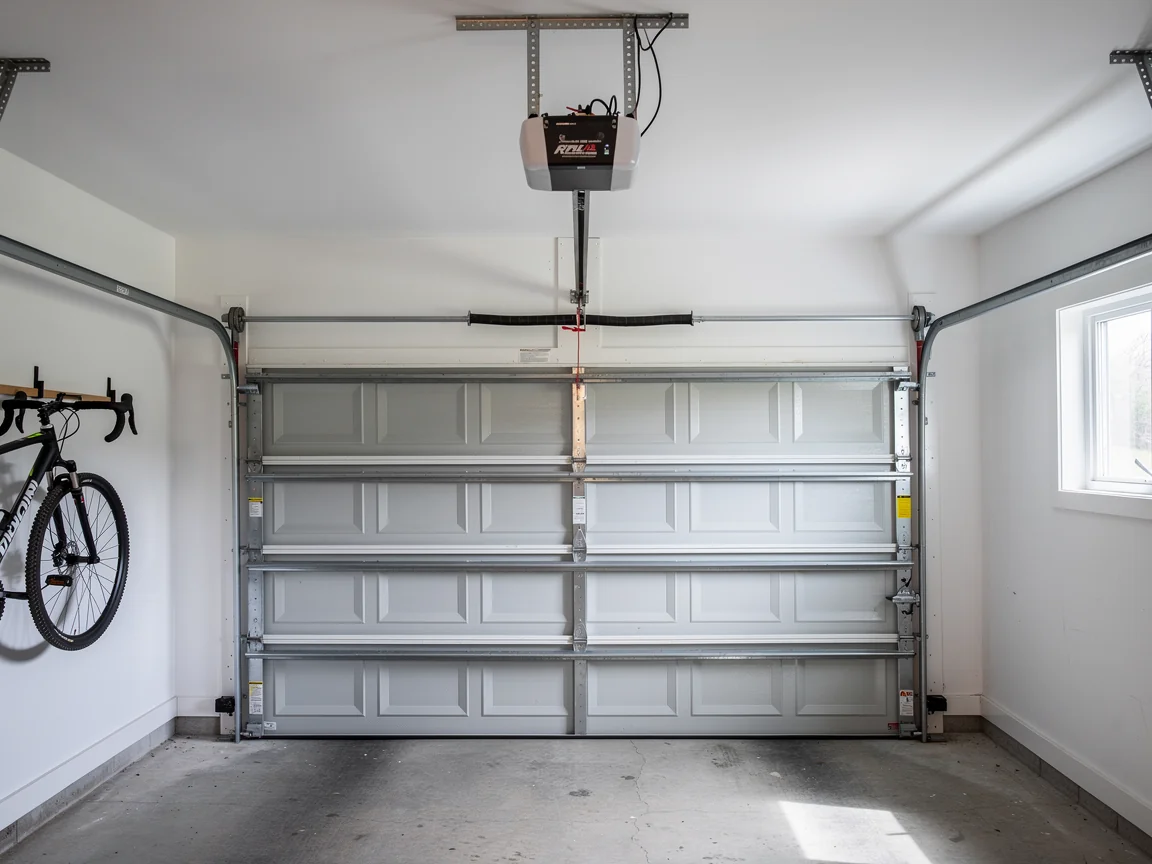
What It Costs
We don't post a flat number for South Venice because the houses here aren't uniform - a single garage built around 1985 and a two-car garage in the same stretch can call for different spring weight, different headroom hardware, and different opener mounting depending on how the attic framing sits.
Income drives insulated requests
What we can tell you: income levels in this part of the service area run higher than the North Port average, and we see that reflected in more requests for insulated steel doors and belt-drive openers rather than the base builder-grade door.
Uninsulated still works
That's a preference, not a requirement - a standard uninsulated door still does the job in this climate. Pricing gets firm once we've seen the opening, not before.
Photos for rough quote
If you want a number before we schedule a visit, send photos of the current door and the rough width and height; it gets you most of the way to an accurate quote without burning a trip on either end of the drive.
Doing It Yourself
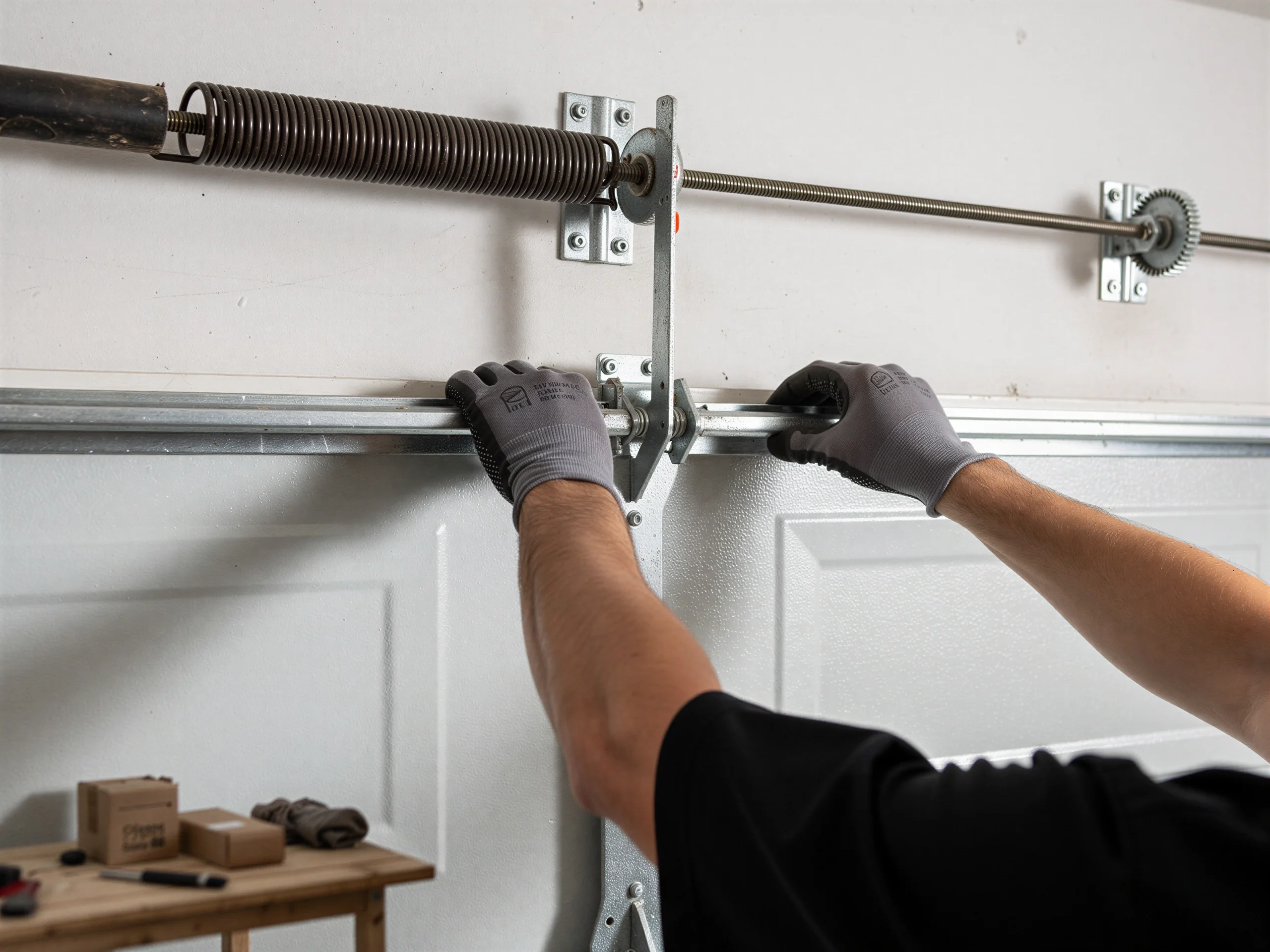
A new door install is not a weekend-with-a-friend project, and we'll say that plainly. Setting torsion spring tension wrong on a door this size can put someone in the hospital - it's stored energy, not a bolt you can just snug down by feel.
Weatherstripping and caulking DIY
Where a homeowner can reasonably do their own work: swapping weatherstripping, replacing a worn bottom seal, or re-caulking around the frame, all of which matter more here than in a drier climate because humidity works into gaps over a season.
Panels, springs, wiring call
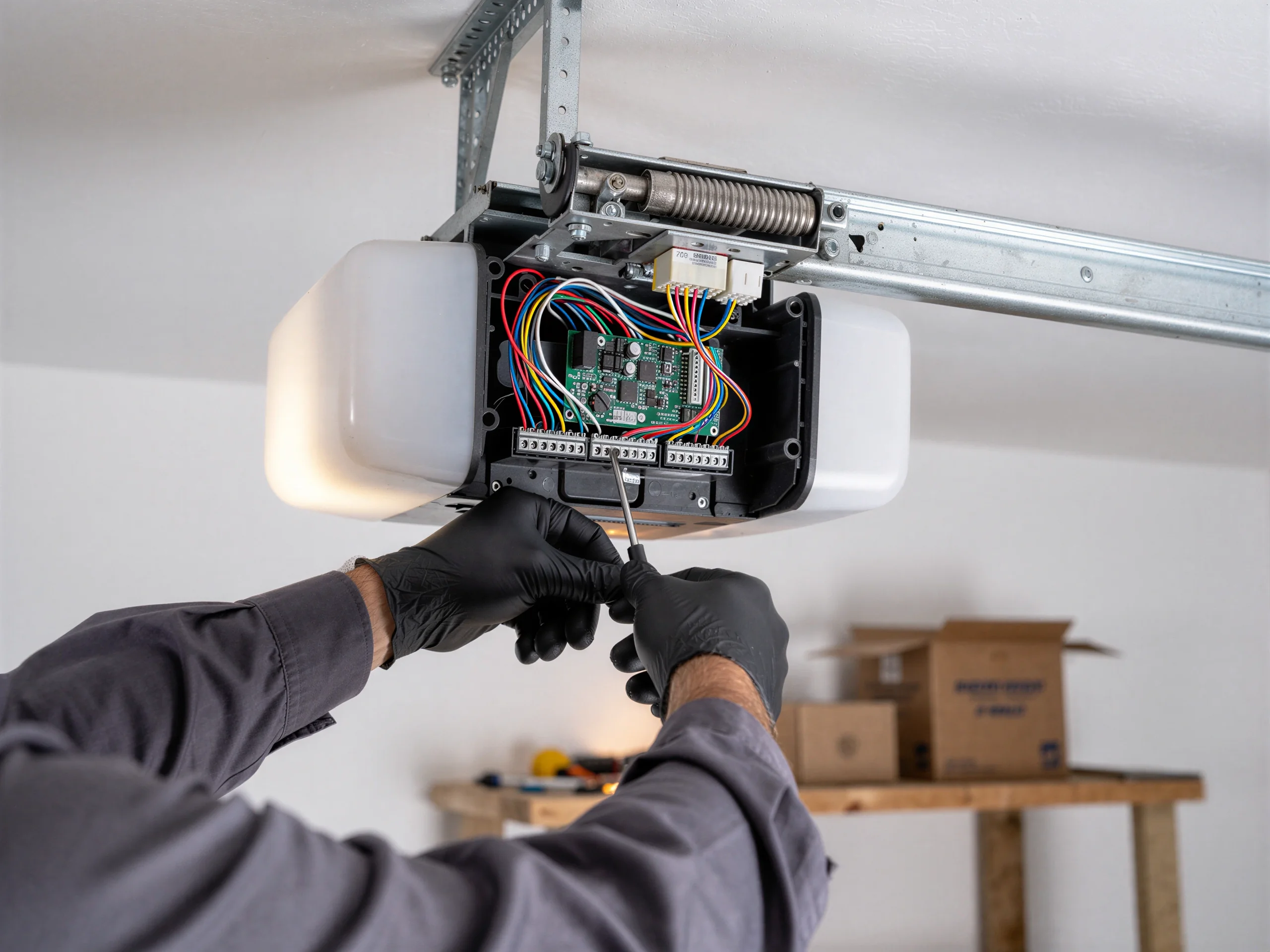
Full panel installs, spring sizing, and opener wiring are where we'd tell you to call rather than guess, especially on a house built in the mid-1980s where the original track may not match what current doors expect.
Spring sizing by pro
If you're set on doing it yourself, at minimum get the spring sized by someone who knows the door's weight - guessing on that one part is where most DIY installs go wrong.
What Causes It Around Here
Most of the garages in this stretch date to around 1985, which puts them squarely in the era when steel doors replaced wood but before double-layer insulation was standard. That means a lot of single-skin steel doors still in service, thin enough to oil-can in the sun and light enough that the original springs were undersized by today's standards. Add the mild, humid coastal climate common across this part of the service area, and you get galvanized hardware that's held up fine but steel panels with surface rust starting at the bottom few inches, where water sits after rain. We don't see the extreme freeze-thaw damage you'd get further north, but salt air does its own slow work on springs and rollers that weren't built for it. When a homeowner here calls about a new installation rather than a repair, it's usually because the door itself has reached the point where patching panel rust or replacing a track bent from decades of settling costs more than starting fresh.
How Long You Are Without the Door
On a standard-size opening with the door in stock, the install itself runs a single visit. The longer wait, if there is one, comes from the 13-mile drive adding scheduling lead time rather than from the work itself - we're not based in South Venice, so we slot these jobs into a route rather than dispatching on short notice.
Custom widths add lead time
If your opening needs a custom-width door, add the manufacturer's lead time for that panel before a second visit can even be scheduled; we'll tell you that number once we've measured, since it isn't ours to promise.
Temporary bracing keeps garage closed
We'll also say plainly: if your current door is still operable, even poorly, there's rarely a reason to leave the garage open overnight waiting on parts. A temporary brace or manual lock-down gets most households through the gap without exposure.
What the Repair Takes
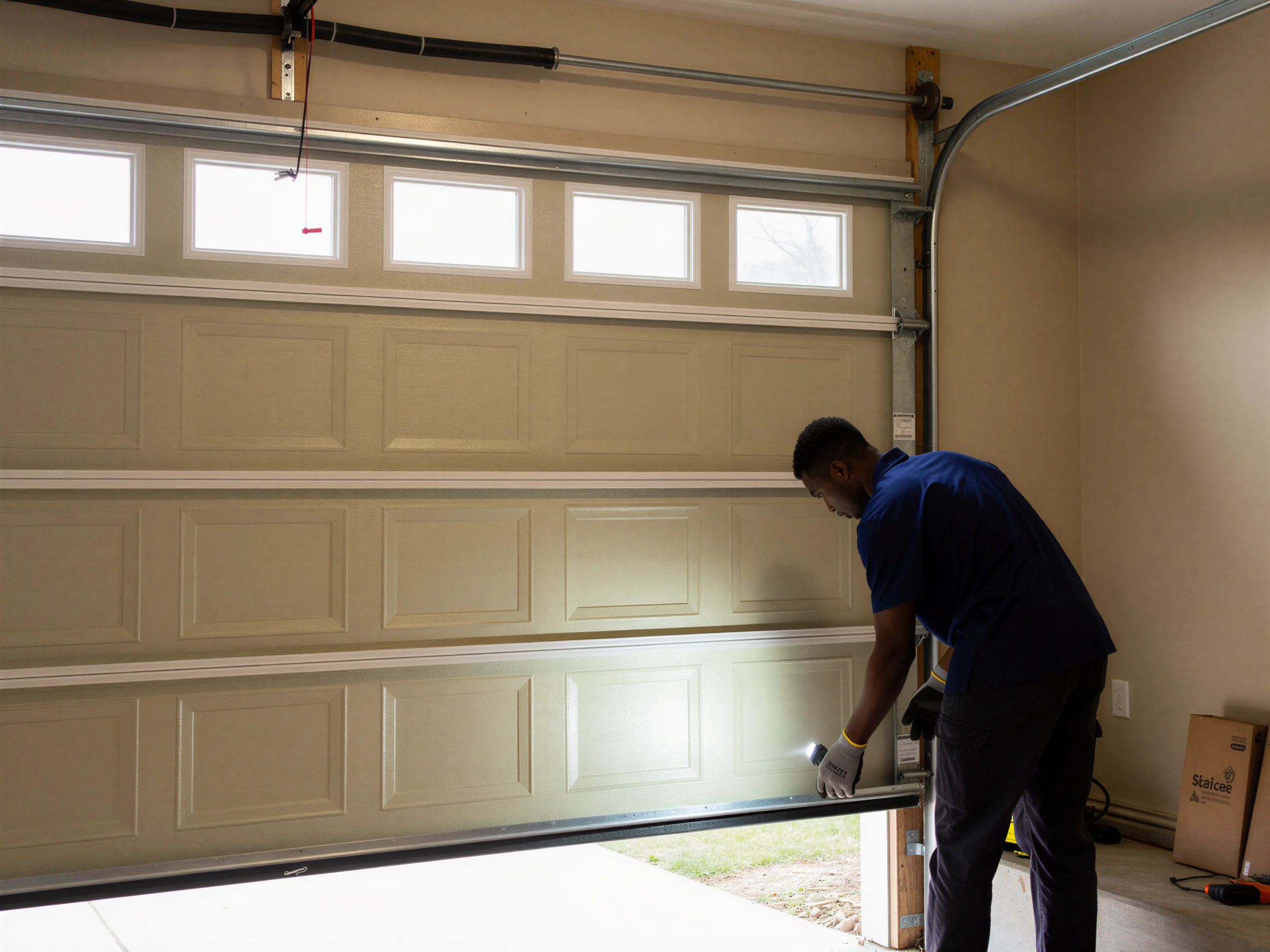
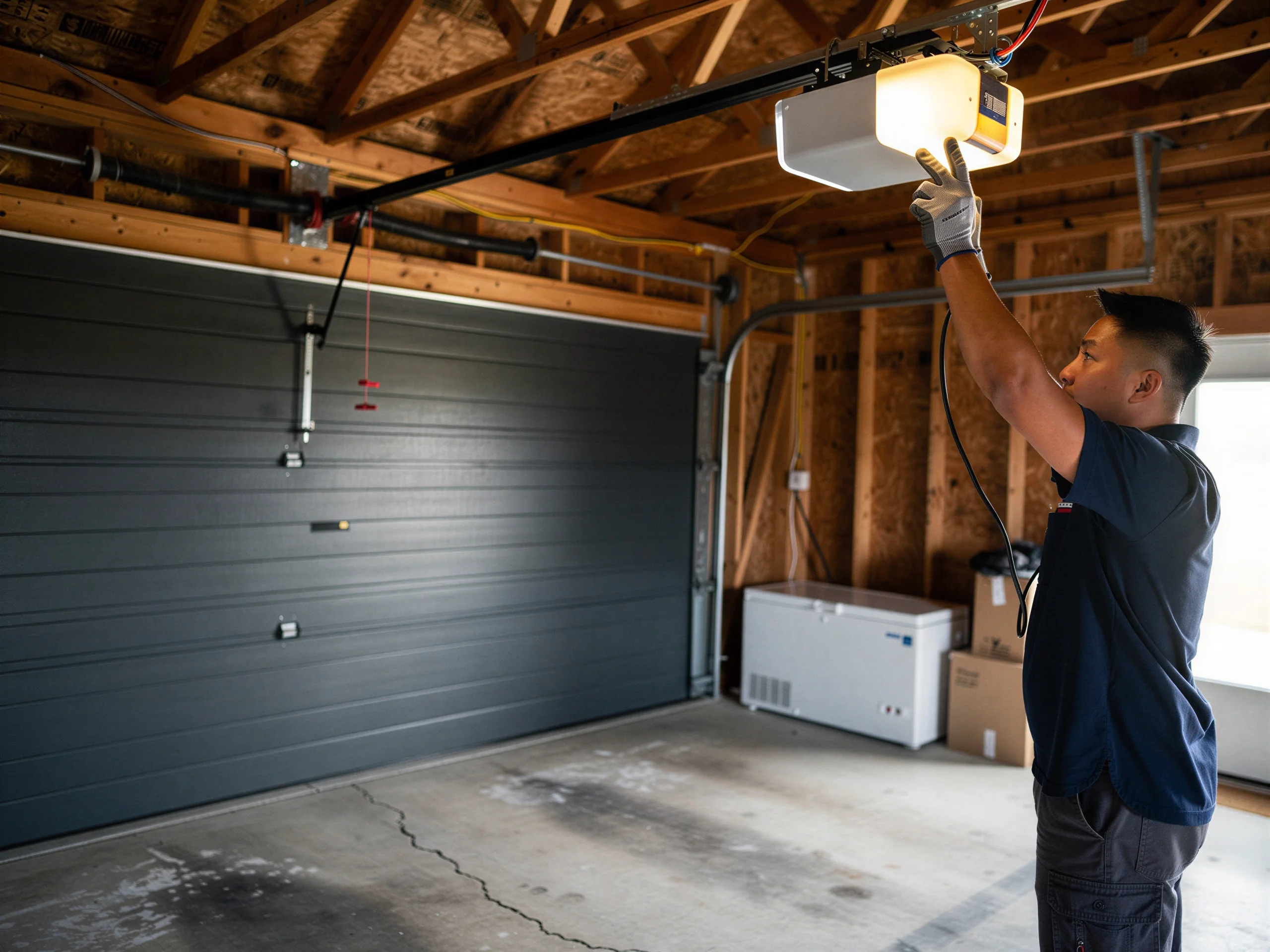
For houses in this part of the service area, most new installs replace a single-skin steel door from the 1980s-1990s building wave with a heavier insulated panel, which means new springs sized for the added weight - reusing the old torsion spring on a heavier door is a common shortcut that fails within a year. Track gets checked for square against the original framing, since houses from this era sometimes settled enough that the opening isn't quite true anymore, even if it looks fine from the driveway. Opener mounting and safety sensor placement get redone to current standards regardless of what was there before. None of this is unusual work, but it's more than swapping a panel - it's why a new door installation here takes a full visit with two people, not a quick stop between other jobs on the route from North Port.
Talk to a local pro
Garage door service in North Port?
Same-day service with honest, upfront quotes.