What Is on the Truck
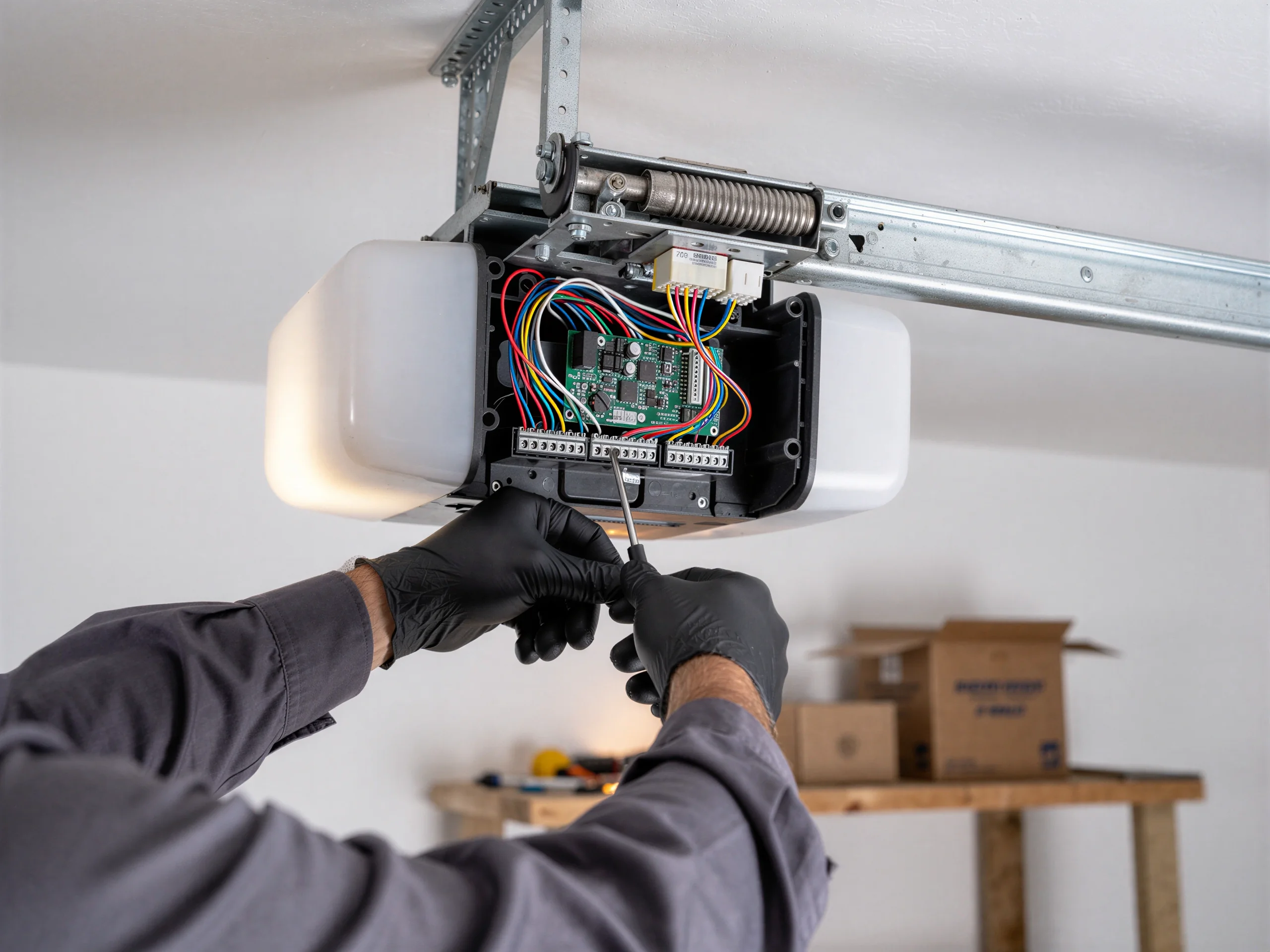
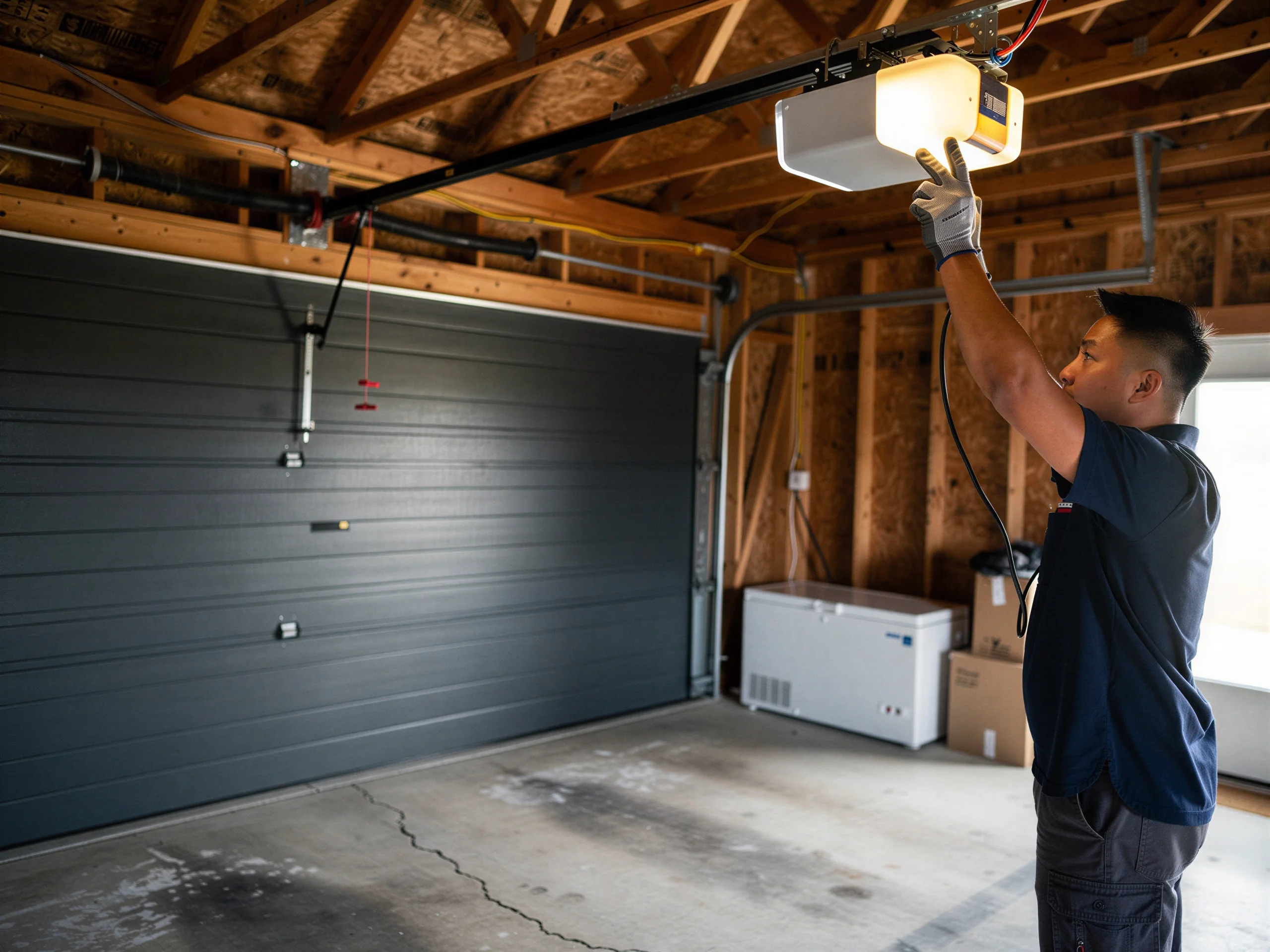
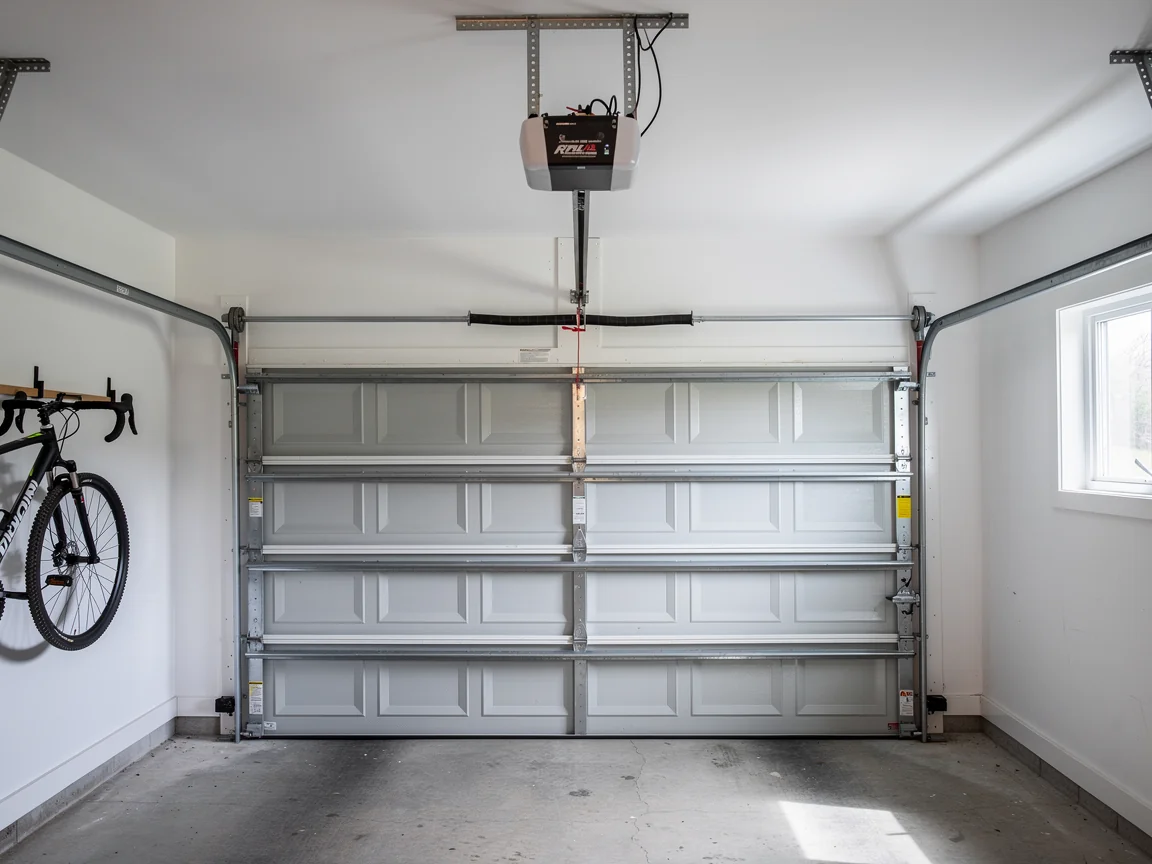
South Venice is a smaller slice of the territory we run from North Port, about 13 miles out, with roughly 7,449 households on the ground. That's enough volume that we see the same handful of opener failures over and over, not a grab bag. The truck carries belt-drive and chain-drive units in the sizes that match the rail lengths common on doors from the 1985-ish building wave here - standard 7-foot headroom brackets, plus the low-headroom hardware older garages sometimes need when the ceiling joist sits lower than code allows today. We also carry wall-mount openers for the handful of houses where the ceiling track just won't fit. What we don't carry is every obscure opener brand ever sold - if your unit is a model we can't get parts for same-day, we'll tell you that up front instead of guessing at a fix.
What It Costs
We don't post a flat number here because the job isn't flat - a straight swap onto existing track costs less than a full replacement when the rail, bracket, or wiring has to come out too. What we can tell you is what drives the difference in a town where median household income runs $72,322: most owners here aren't choosing the cheapest opener on the shelf, they're choosing one that won't need a second service call in three years. Belt-drive units cost more up front than chain-drive but run quieter, which matters in houses built close together. We quote the job after we've seen the door, the track, and the wiring in person, not off a phone description.
Doing It Yourself
An opener looks like a weekend project until you're standing on a ladder holding 20 pounds of motor housing with one hand and a drill in the other.
Travel limits are hard
The mechanical part - bolting the unit to the rail, hanging the bracket - isn't the hard part. The hard part is getting the travel limits and force settings right so the door doesn't slam on a car bumper or reverse on a toddler's foot.
Opener matched to old doors
On older doors common in this area, built before current spring and cable standards, the opener also has to be matched to a door that's heavier or lighter than what the unit's factory settings assume.
First-timer safety risk
If you've done this before and have the tools, fine. If this is your first one, the failure mode isn't a wasted afternoon - it's a door that doesn't stop when it should.
What Causes It Around Here
The housing stock in this corner of the service area mostly dates to the 1980s, which puts a lot of original or first-replacement openers well past their expected life. Chain-drive units from that era used steel chains and sleeve bearings that don't hold up well against the humidity you get this close to the coast - South Venice sits about 13 miles from North Port, close enough to Warm Mineral Springs and Charlotte Harbor that salt air and moisture are a constant, even without the storm damage people assume. Mild temperate conditions here mean you're not fighting ice or deep freeze on the gears, but you are fighting corrosion on sprockets, rusted-through logic boards from condensation, and capacitors that cook slowly instead of failing all at once. We get more opener calls from slow corrosion than from any single weather event.
How Long You Are Without the Door
A straight opener swap - same rail, same bracket points, no structural surprises - usually finishes in one visit once we're on site, since we're not troubleshooting a mystery, just replacing a known part.
Rail mismatch slows the job
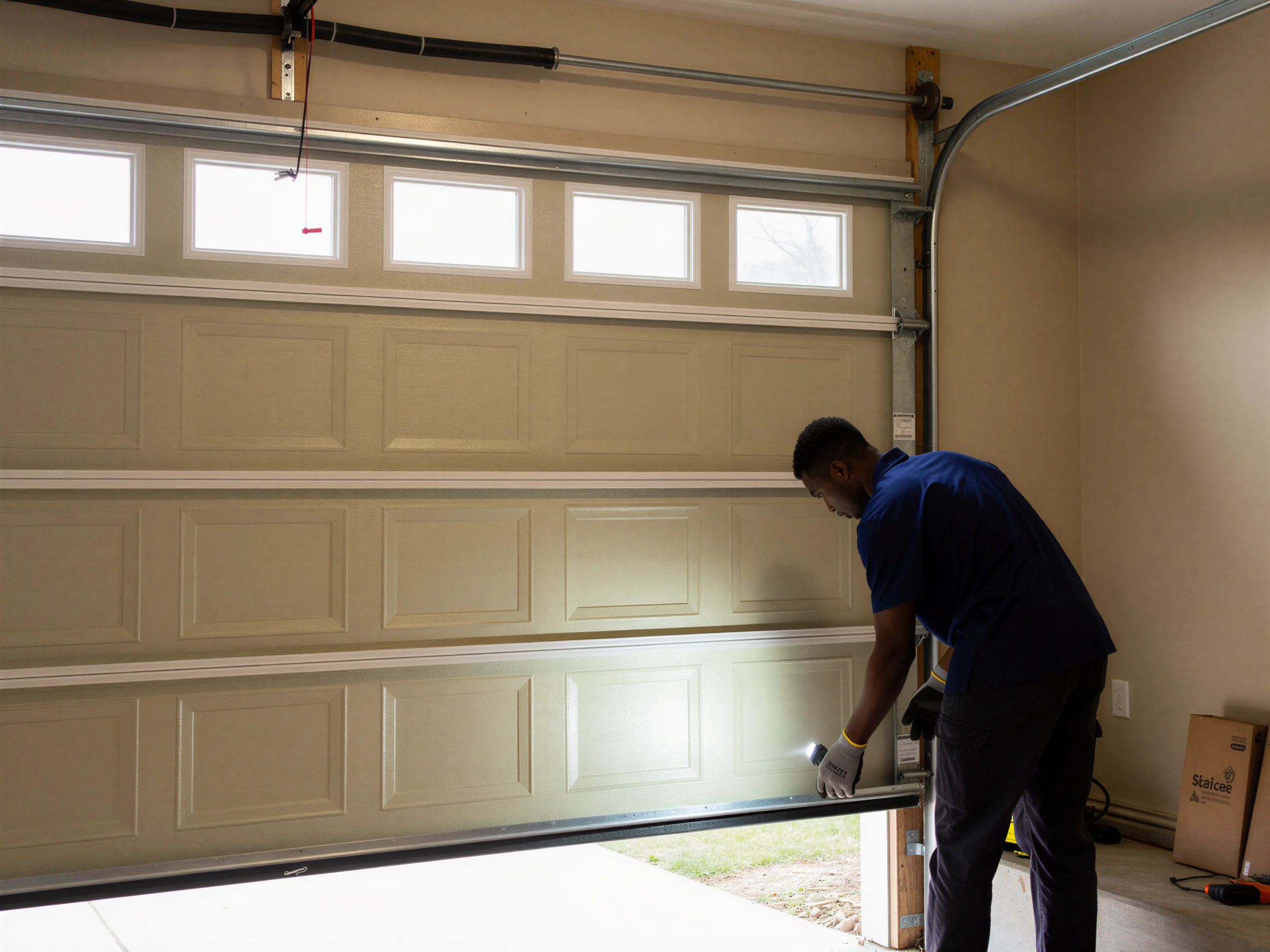
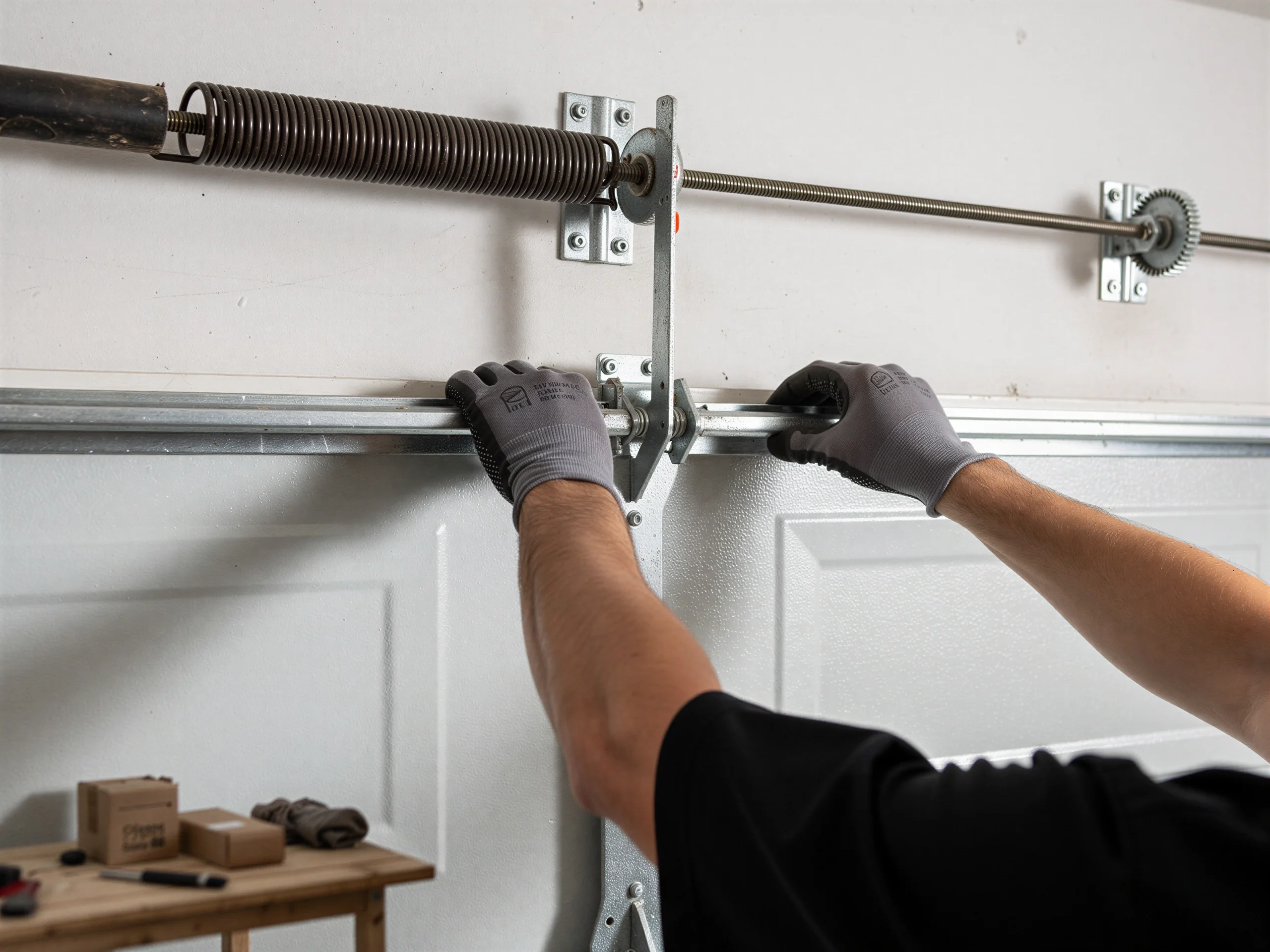
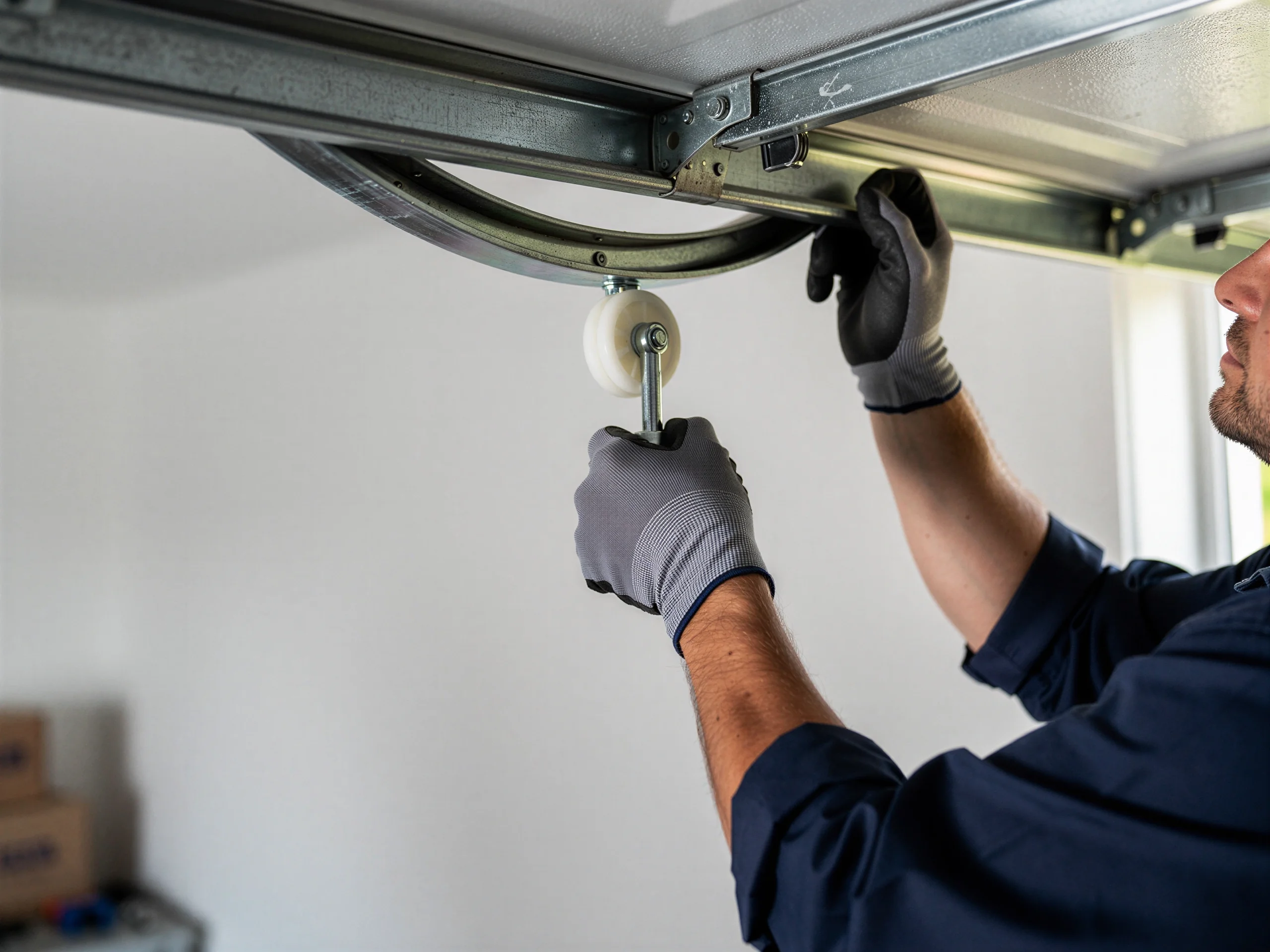
Jobs take longer when the existing rail doesn't match the new unit's mounting pattern, or when the door itself needs attention before the opener can run it safely - a bent track or a spring near the end of its life changes the order of operations.
Time blocks instead of minutes
Since we're traveling from North Port, we schedule the visit for a block of time rather than an exact minute, and we'd rather diagnose everything correctly on-site than rush a guess over the phone.
What the Repair Takes
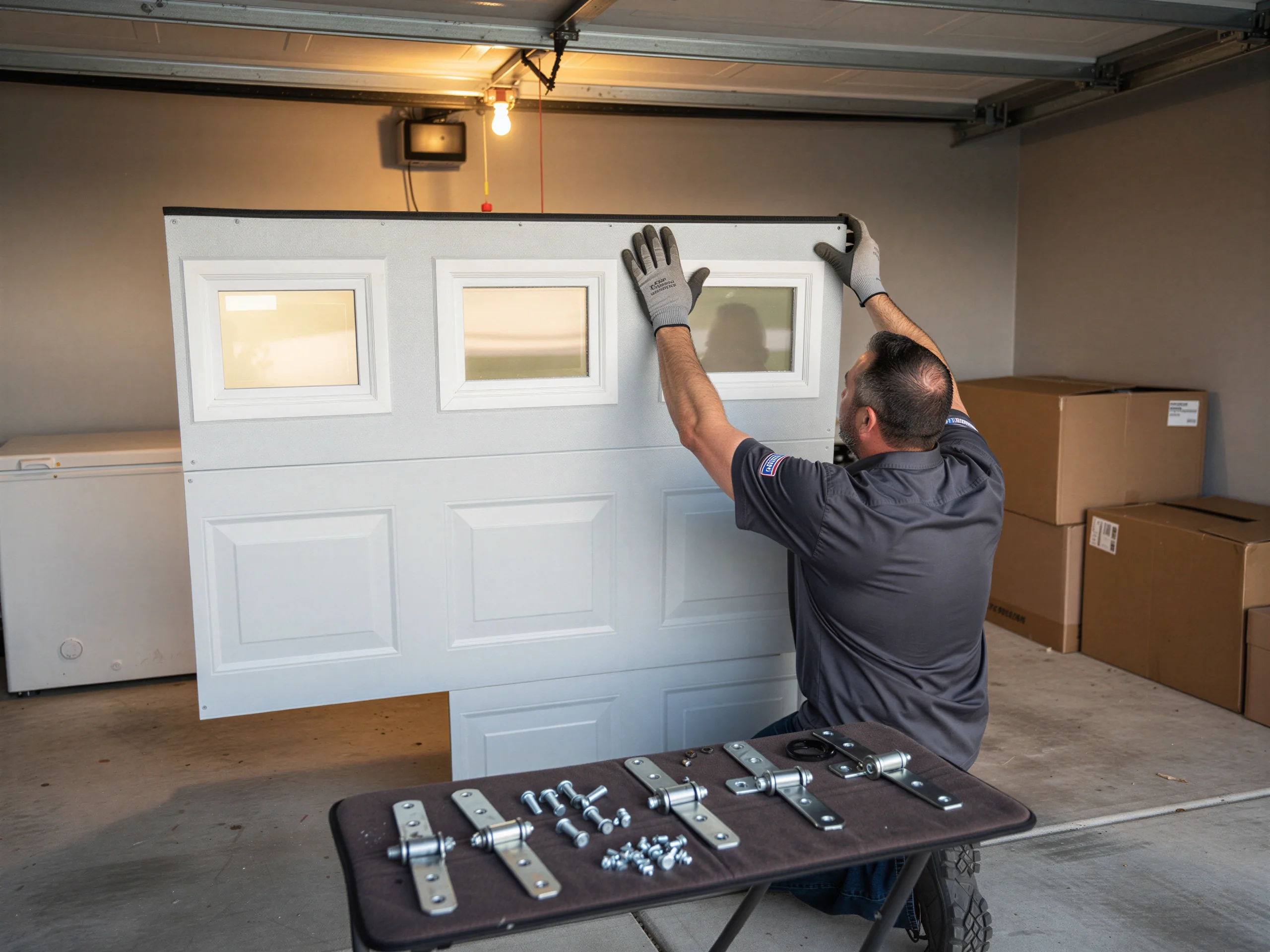
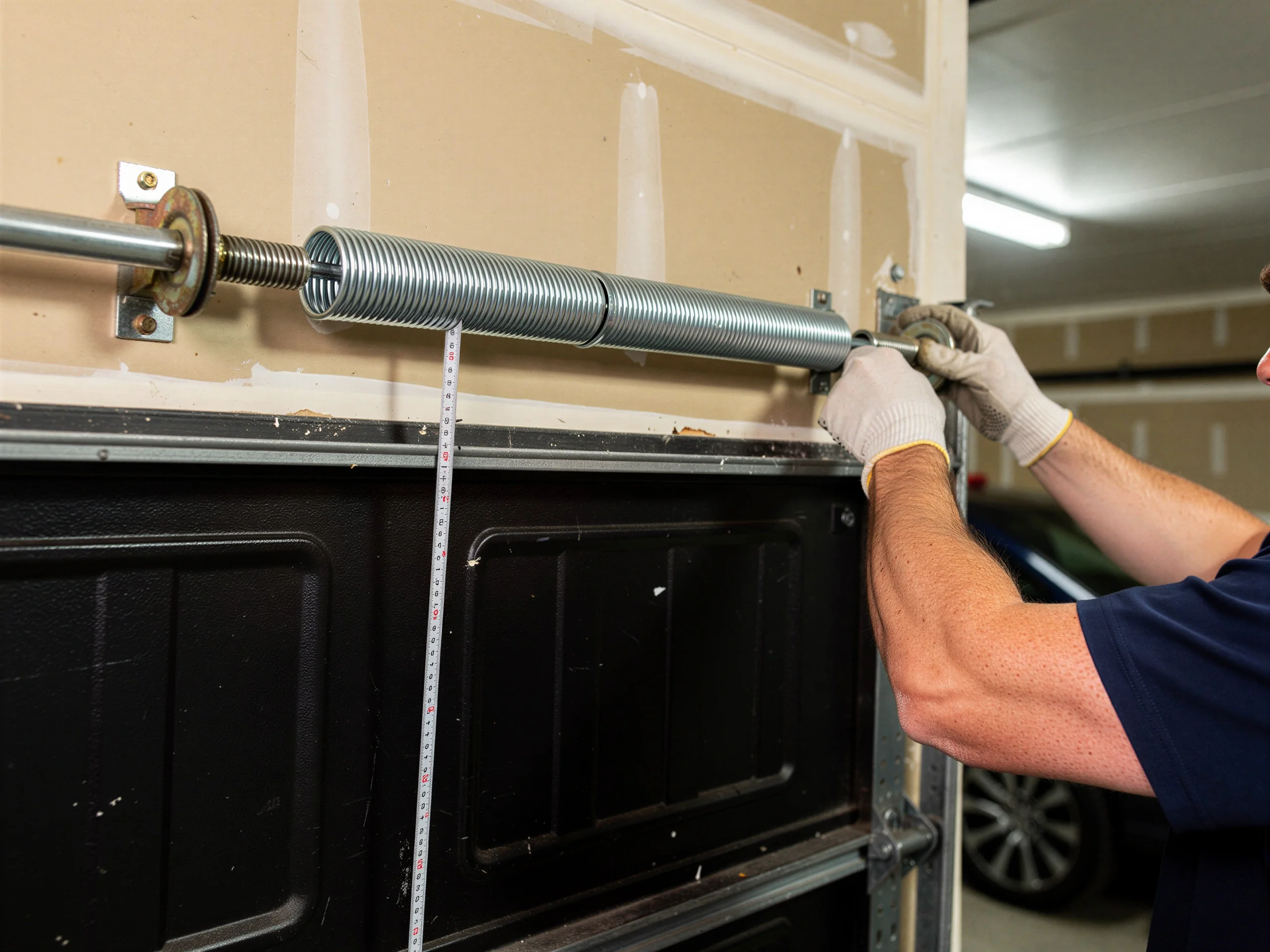
Installing an opener right means checking more than the motor. We look at the door's balance first - an opener fighting a door that's out of balance will burn out its gears years early, and on houses from the 1980s wave, worn springs are common enough that we check this by default, not as an upsell. We confirm the rail length matches the door's travel, set the safety sensors at the height code actually requires, and program force and travel limits by hand rather than trusting factory defaults. If the existing wiring is original to the house, we test it rather than assume it's good. The honest limitation: if your door's springs or cables need replacing too, we'll say so before we hang a new opener on a door that isn't ready for one - putting a new motor on bad hardware just moves the failure point, it doesn't fix it.
Talk to a local pro
Garage door service in North Port?
Same-day service with honest, upfront quotes.