What It Costs
We don't post a flat price for Venice Gardens because the drive and the job both factor in. It's 13 miles out from our North Port base, which means a tech has to plan the call rather than roll on it the way they might for something closer in.
Routing math, not markup
That's not a markup - it's just the math of scheduling a truck for a trip that length and still keeping the rest of the day's route tight. What actually sets the cost is what's wrong once we're there.
Fix determines job cost
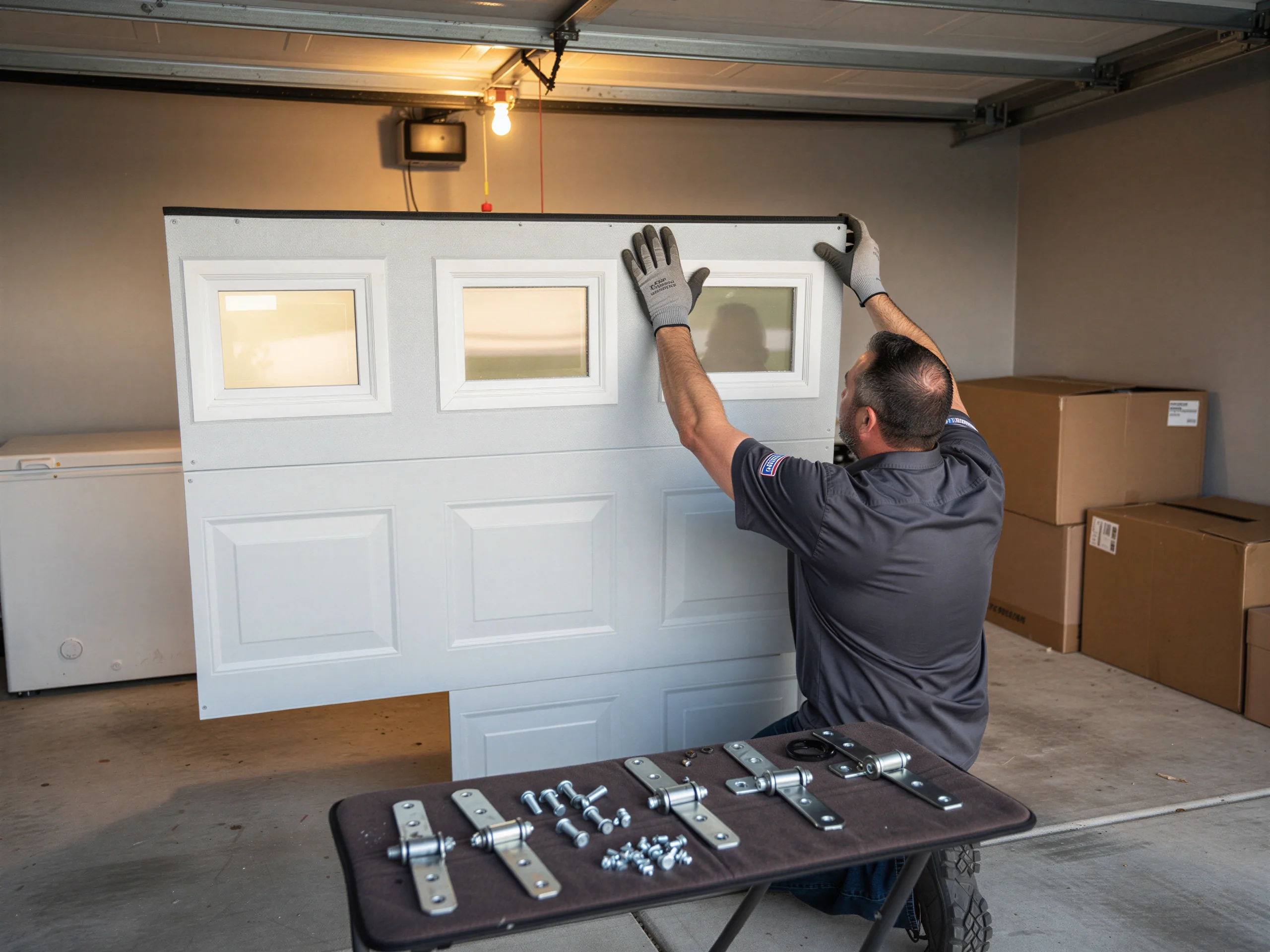
A broken torsion spring on a single door is a different job than a bent track or a dead opener board, and Venice Gardens houses, most going up around 1968, often carry original hardware nobody's touched since. That hardware isn't expensive to fix, but it can take longer to source the right part than it would on a door from the 2000s.
Higher incomes, same pricing
We'll tell you on site what the fix needs before any work starts, not after. Household incomes here run higher than the service-area median - around $71,000 against roughly $60,885 across the wider area - but that doesn't change what the repair costs. We quote the job, not the neighborhood.
Doing It Yourself
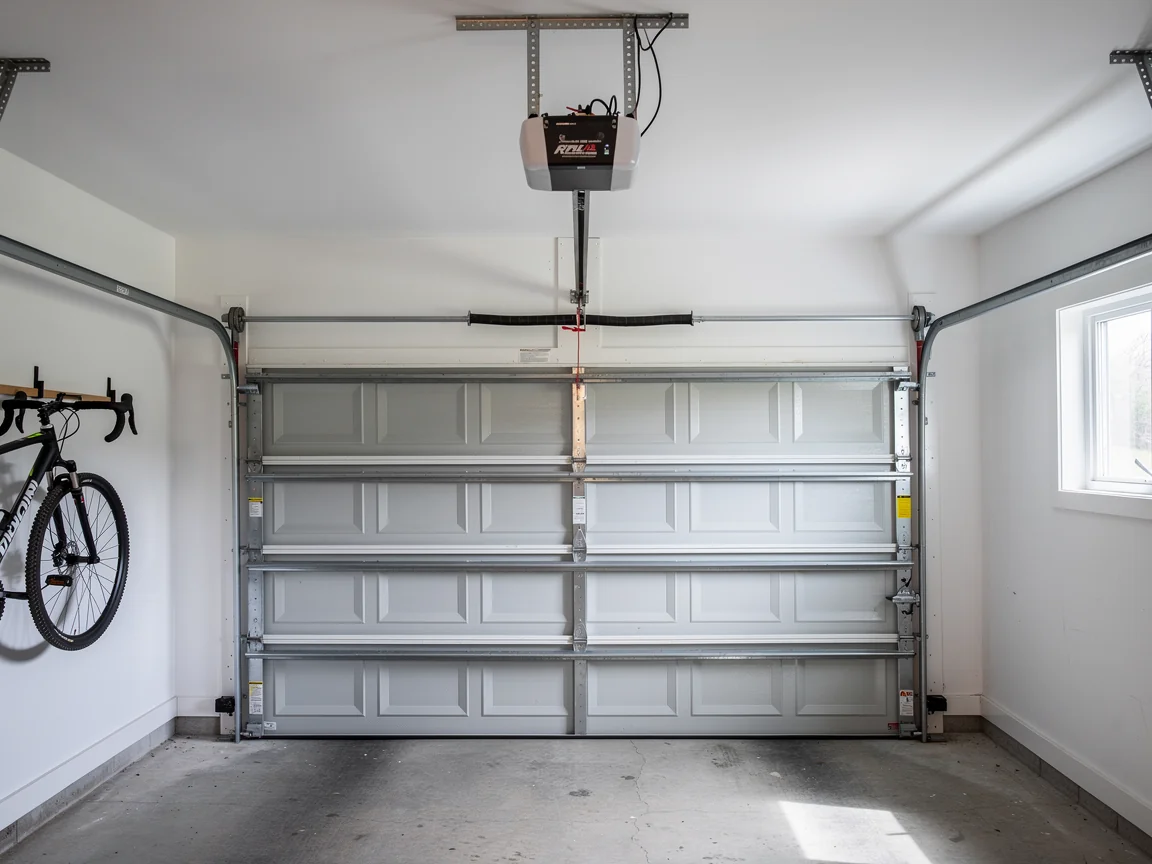
Some of what fails on a garage door is fair game for a homeowner: tightening loose hinge bolts, clearing a track of debris, replacing worn weatherstripping along the bottom panel.
Torsion spring not DIY
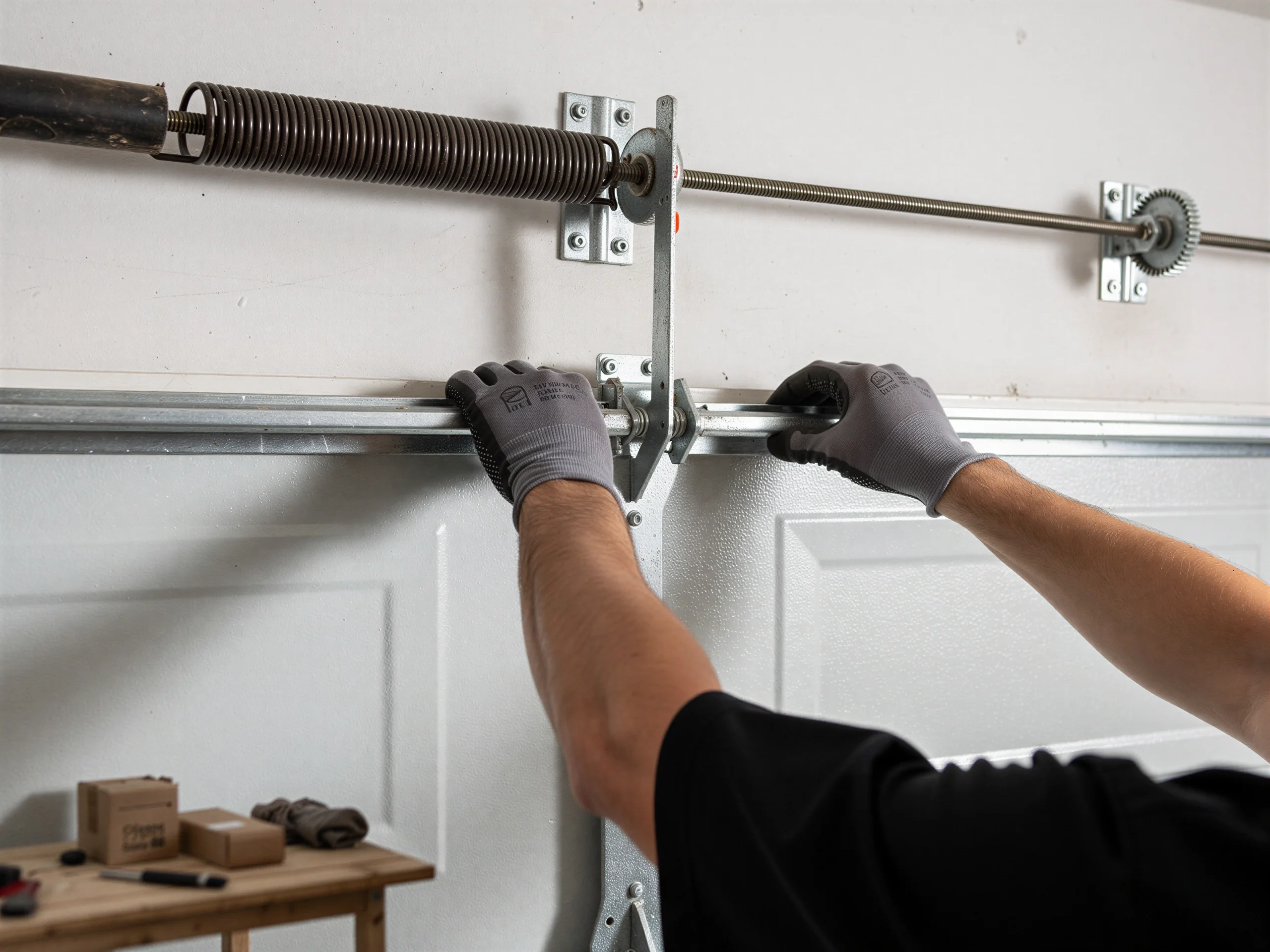
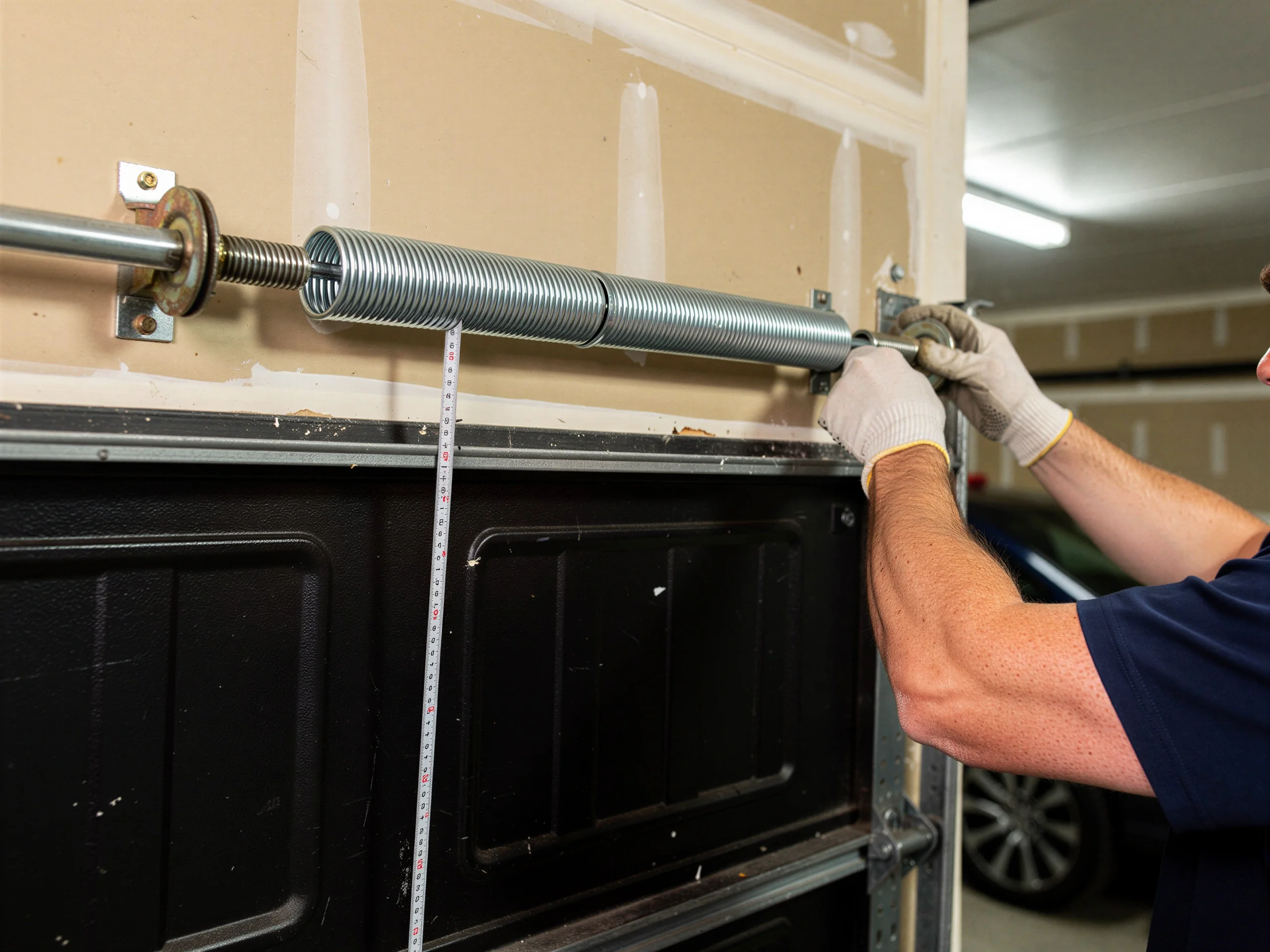
None of that needs a call. What isn't fair game is the torsion spring. On a door built in the late 1960s or 1970s, which describes a lot of Venice Gardens stock, that spring is wound tight enough to break a wrist or worse if you don't have the winding bars and the experience to use them.
Cable replacement left alone
We'd rather you leave that one alone and call. Same goes for cable replacement - a cable under tension that lets go is not a DIY afternoon. Opener troubleshooting sits in the middle.
Wall switch and sensor checks
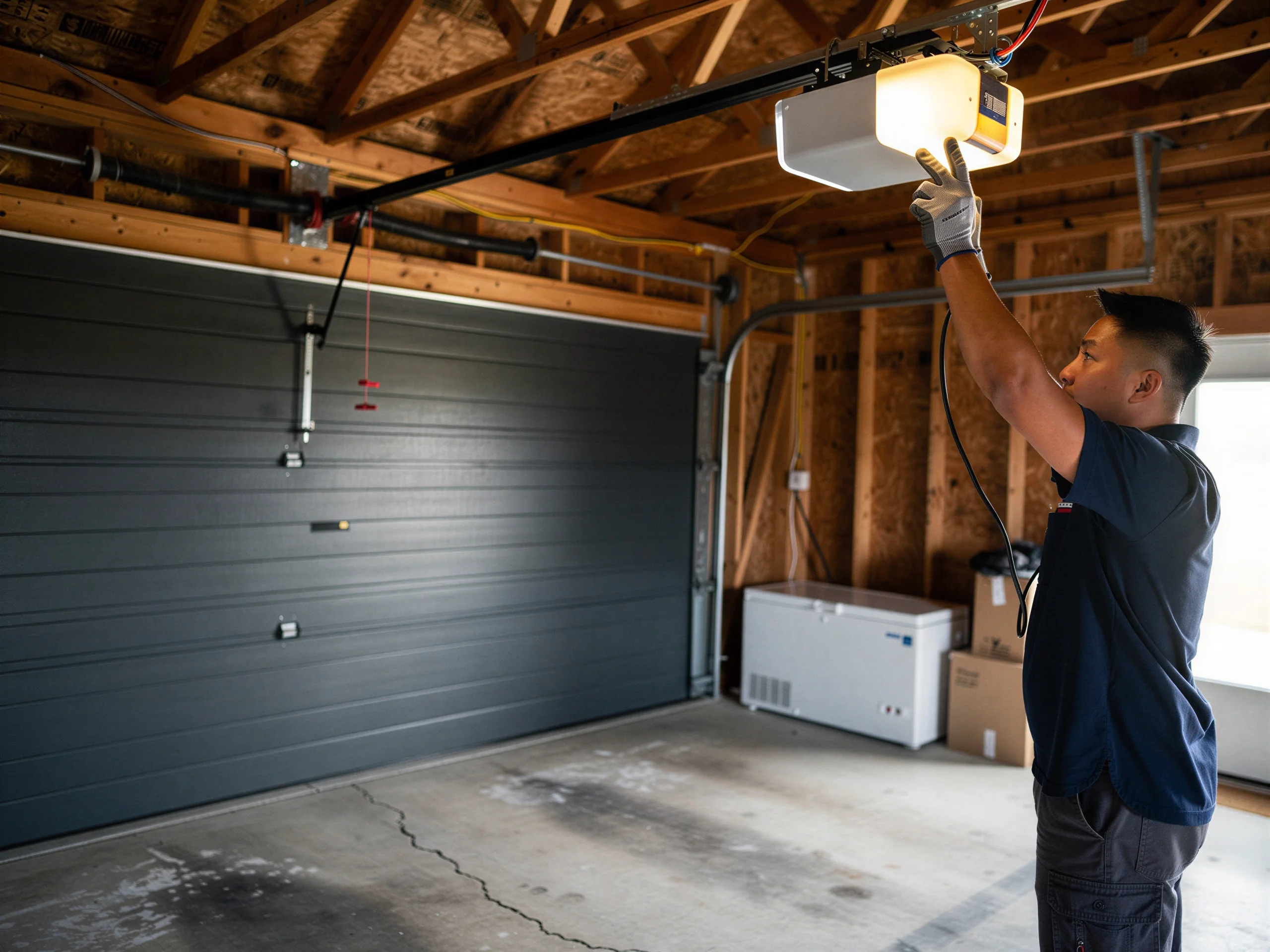
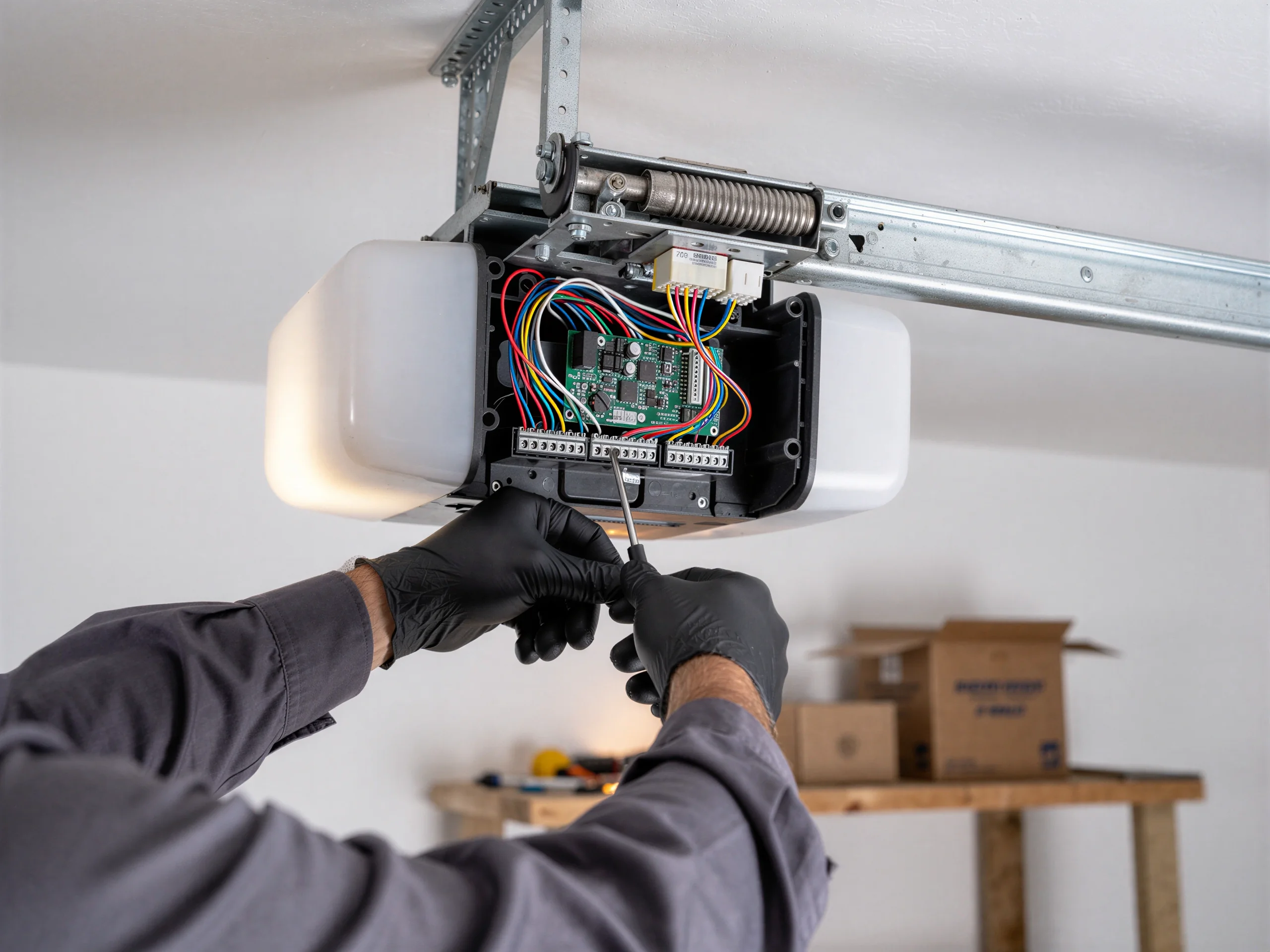
Checking the wall switch, the batteries in the remote, and the photo-eye sensors for dust or misalignment is reasonable before you assume the motor's dead. Past that point, especially on an older chain-drive unit, you're into wiring and circuit boards that are easier to damage than fix without the right tools.
How It Shows Up
In Venice Gardens, the age of the housing stock tends to decide which fault shows up first. With median construction around 1968, a good share of these doors are original or close to it, running on hardware styles that newer subdivisions in the area never had installed.
Outlived spring cycles
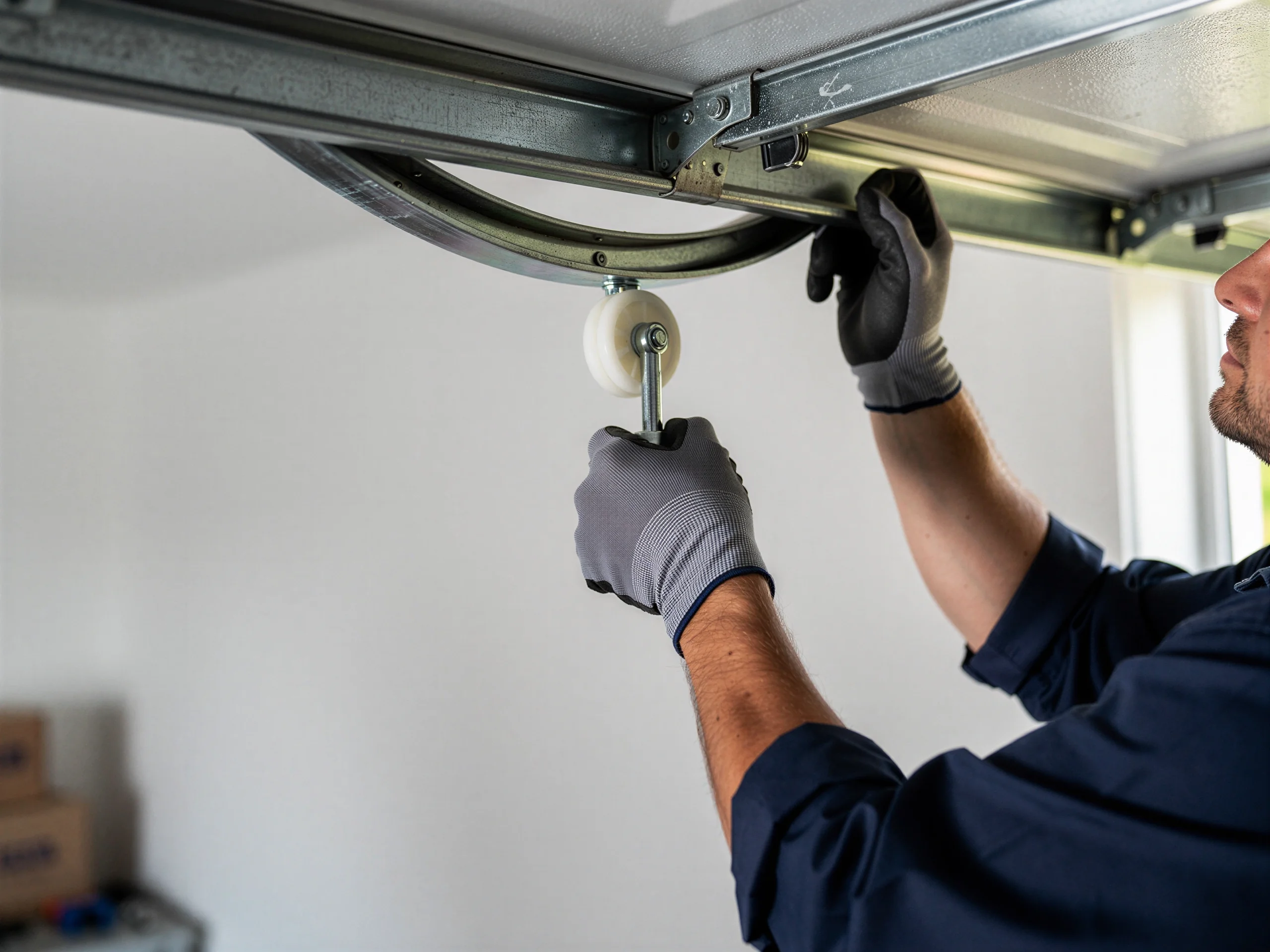
That means torsion springs that have simply outlived their wind cycles, steel tracks that have warped slightly over decades of Florida humidity, and rollers that have worn down to the point of grinding rather than rolling.
Slow warning failures
The mild temperate climate here doesn't put the same stress on a door that freeze-thaw regions deal with, so you're less likely to see cracked panels from ice. What you do see is slower failure - a spring that's been sagging for months before it finally goes, or an opener that's been struggling against a misaligned track until the motor finally gives out.
Early fault signs
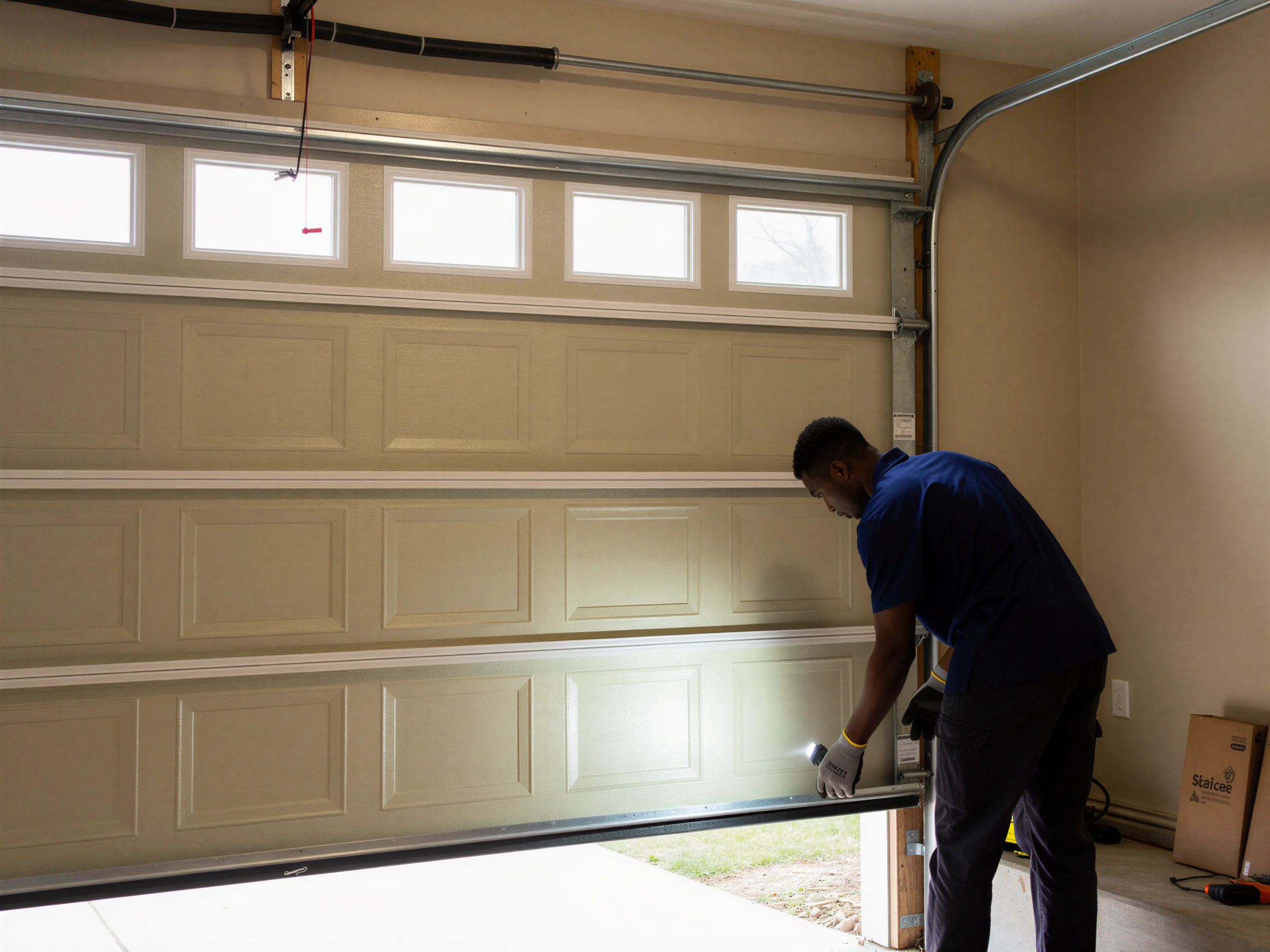
If your door's been louder than usual, or the opener strains before it moves, that's usually the early version of a fault that gets worse, not better, on its own.
Booking a Visit
Because the call comes out of North Port, a Venice Gardens visit gets scheduled as a trip, not a walk-in. Tell us what the door's doing - won't open, opens but won't close, grinding sound, opener running but the door not moving - and we can usually tell from that whether it's a same-visit fix or something that needs a part ordered first.
We don't keep a depot or drop-in location in Venice Gardens itself; every job here is a dispatched visit from North Port. That's worth knowing up front so you're not expecting a tech to be five minutes away. Once we're on site, though, the work is the same as anywhere else we cover - diagnose, quote, fix if the parts are on the truck.
What Can Go Wrong
The most common failure we see on doors from this era is a torsion spring that's reached the end of its wind cycles and snaps, usually without much warning beyond a louder-than-normal operation in the weeks before. Close behind that is cable fray, especially on doors that have never had the cables replaced since original install in the late 1960s or 1970s.
Openers fail too, but less dramatically - a worn gear, a burnt circuit board, a sensor that's drifted out of alignment after years of vibration. On a smaller stretch of housing like Venice Gardens, with around 1,410 households, we're not seeing the volume of calls that a bigger area generates, but the fault pattern we do see lines up with the build era: original hardware finally wearing out rather than storm damage or impact.
What we don't do is replace a whole door system when a spring or cable swap solves it. If the opener, track, and panels are sound, there's no reason to sell you a new door.
What the Repair Takes
Most spring and cable jobs on a Venice Gardens door take one visit once the tech is on site, assuming the part is a standard size for that era of hardware.
Parts widely available
Doors from the 1968-era stock common here use torsion springs and tracks that are still widely available, so parts delay isn't usually the holdup - the drive out is the bigger variable in how fast we can get there.
Board order delays
Opener repairs can run longer if the board itself has failed rather than a sensor or wiring issue, since a replacement board sometimes has to be ordered rather than carried on the truck. We'll tell you straight if that's the case rather than have you wait around for a part that isn't coming that day.
Replacement beats endless repairs
One honest limitation: if a door's track is bent badly enough, or the panels have corroded past the point of a clean patch, replacement is usually cheaper over time than repeated repair. We'll say so rather than keep billing you for patches on a door that's done.
Talk to a local pro
Garage door service in North Port?
Same-day service with honest, upfront quotes.