What Causes It Around Here
Charlotte Park is a small pocket - about 1,070 households - and the houses here skew newer than a lot of what we see on other calls. The median build year lands around 2003, which puts most garage doors and openers here in the steel-panel, circuit-board-opener era rather than the older chain-drive and heavy wood-panel doors you find in parts of North Port's service area built in the 1970s and 80s. That changes what breaks. You're less likely to be dealing with worn-out original hardware from the Reagan years and more likely to be dealing with opener logic boards, sensor alignment, and plastic drive gears that wear out in that newer generation of openers. Springs still fail on a schedule no matter the house's age - that part doesn't change. But the balance of calls here leans toward opener electronics and the smaller parts (limit switches, circuit boards, belt or chain tensioners) that come with the newer-build opener models, rather than the brute hardware failures of an older door. The mild temperate climate this area sits in means we're not fighting frozen tracks or ice-locked panels like a northern market would - humidity and salt air corrosion on springs and rollers is more the story here than cold.
Booking a Visit
We cover Charlotte Park from North Port, about 14 miles out. When you call, tell us the age of the door and opener if you know it - a house built close to 2003 usually has a specific opener brand and drive type from that era, and knowing that before we load the truck saves time once we're on site.
Dispatched from North Port
We don't keep a branch in Charlotte Park itself; every job here is a dispatch from North Port, so give us a clear description of the problem and we'll bring what that problem usually calls for.
Calling without a diagnosis
If you're not sure what's wrong, that's fine too - tell us what you see and hear, and we'll work from there.
What Is on the Truck
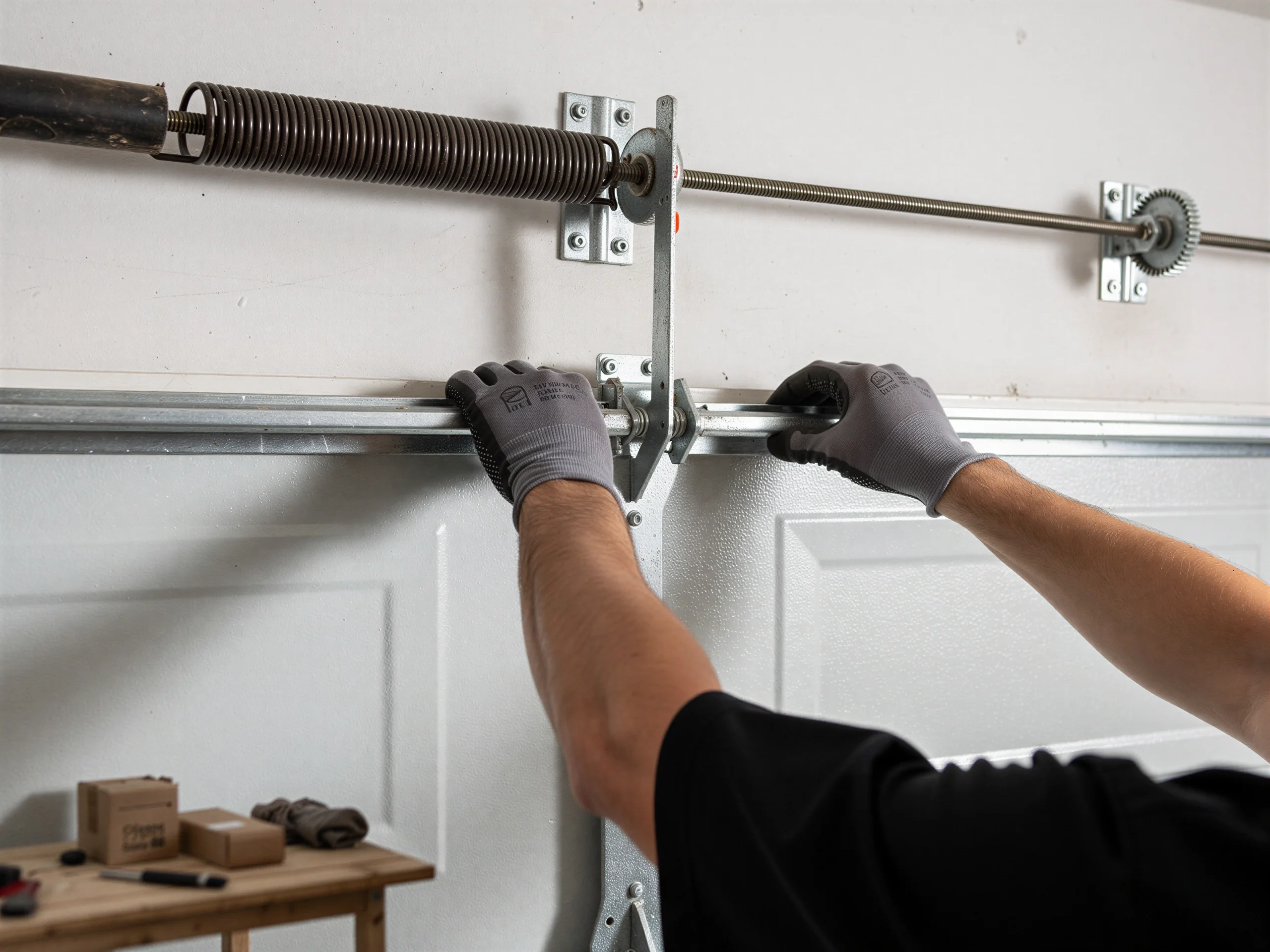
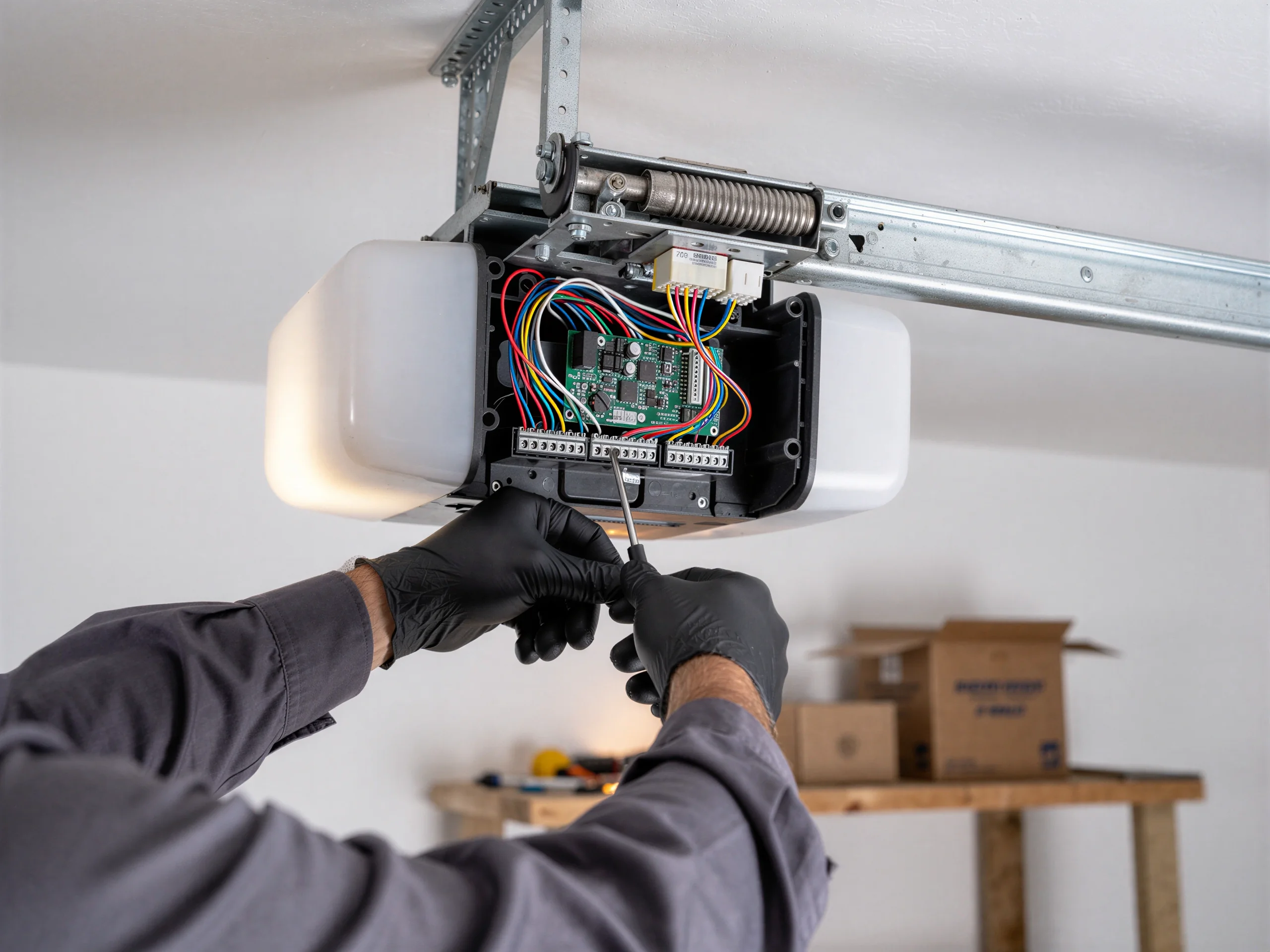
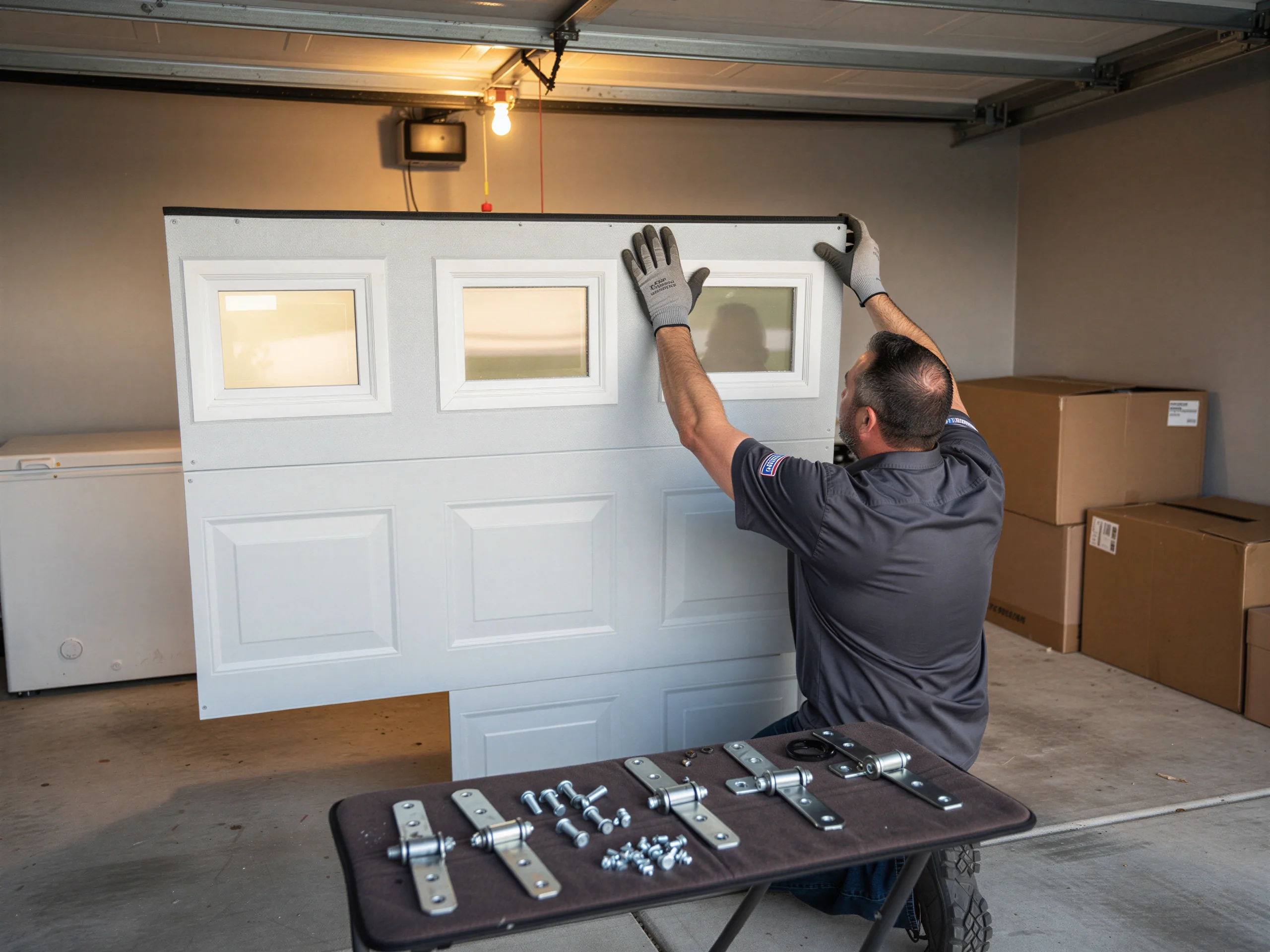
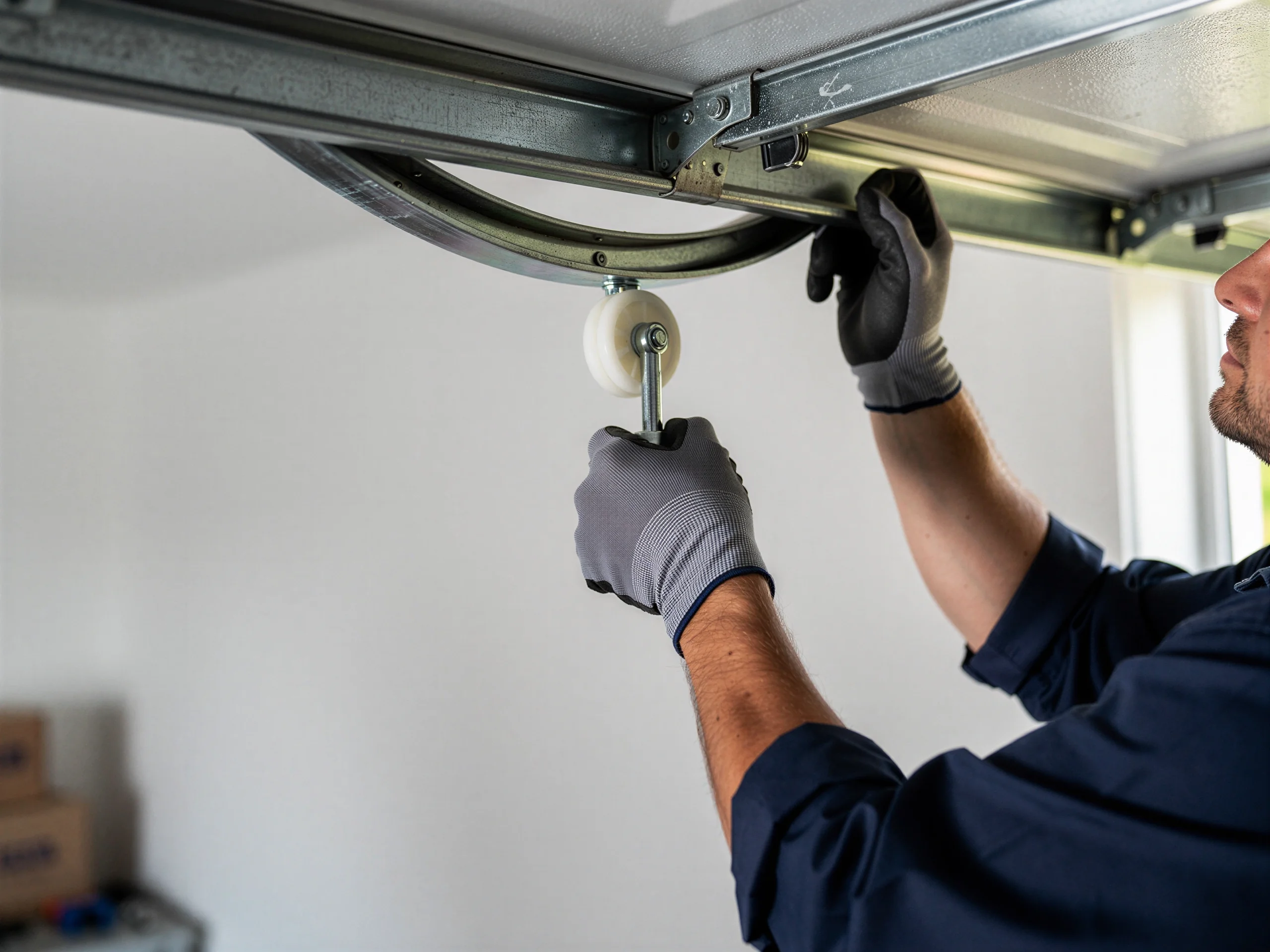
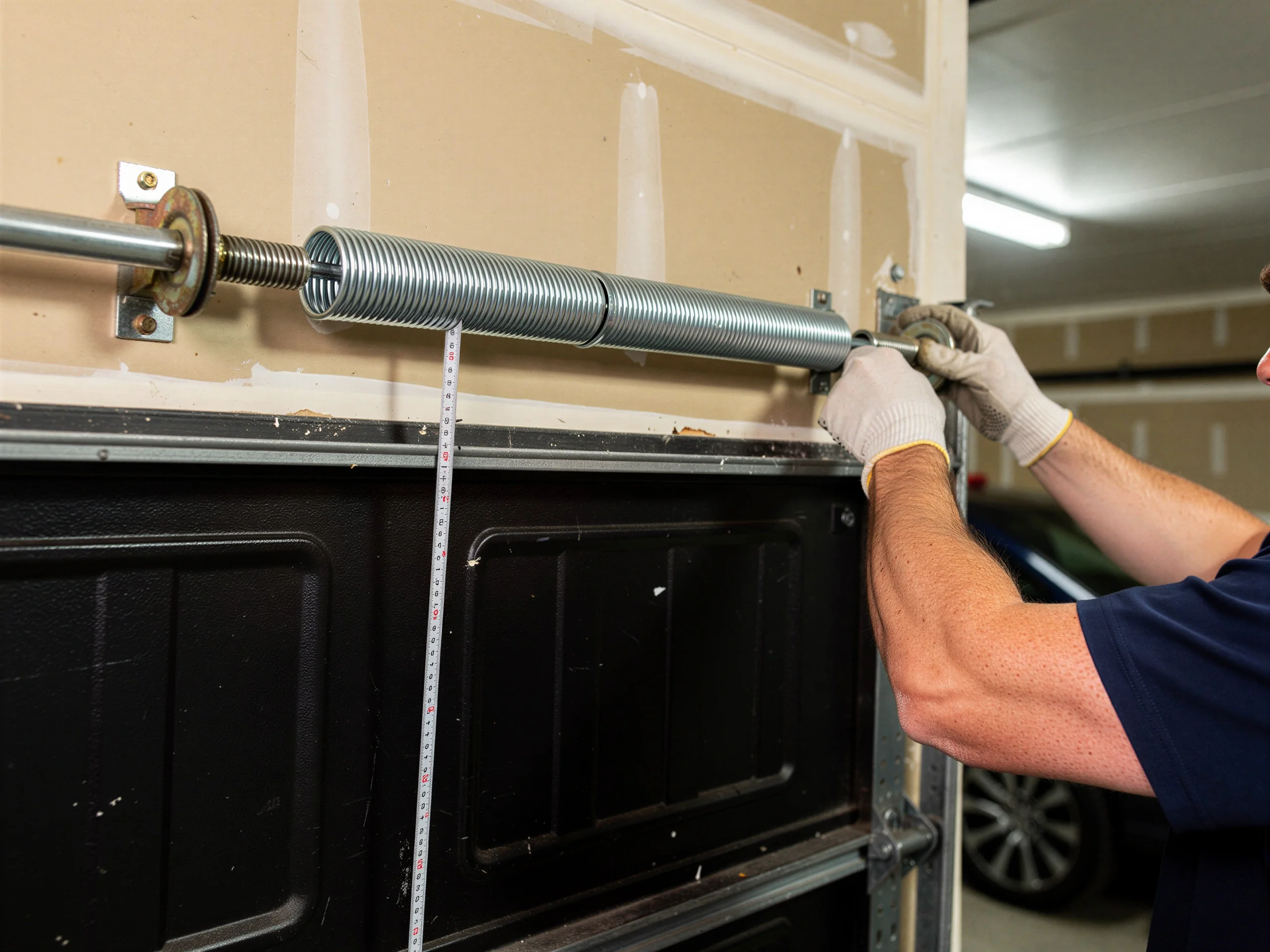
For a neighborhood built mostly in the 1990s and early 2000s, the truck carries parts sized for that generation of door: standard torsion springs rated for mid-weight steel sectional doors, the drive belts and chains that fit the opener models common to that build era, and replacement circuit boards and sensor pairs for openers old enough now to be failing on electronics rather than brute mechanics. We also carry rollers and cable, since those wear on a schedule regardless of when the house was built. What we don't carry is a guess - if a part is specific to an opener brand we don't have on hand, that's the honest limitation: we may need to order it and come back, rather than jury-rig something that won't hold.
How Long You Are Without the Door
A spring swap or a sensor realignment on a newer opener is usually a same-visit fix once we're on site - the parts are common enough that we carry them.
Board sourcing and bent tracks
Where it takes longer is a dead circuit board on an opener model we have to source, or a track that's bent badly enough that the door won't move at all.
Spot quote, no guessing
In that case you're looking at a return trip. We'll tell you on the spot which kind of job it is rather than promise a number we can't back up.
How It Shows Up
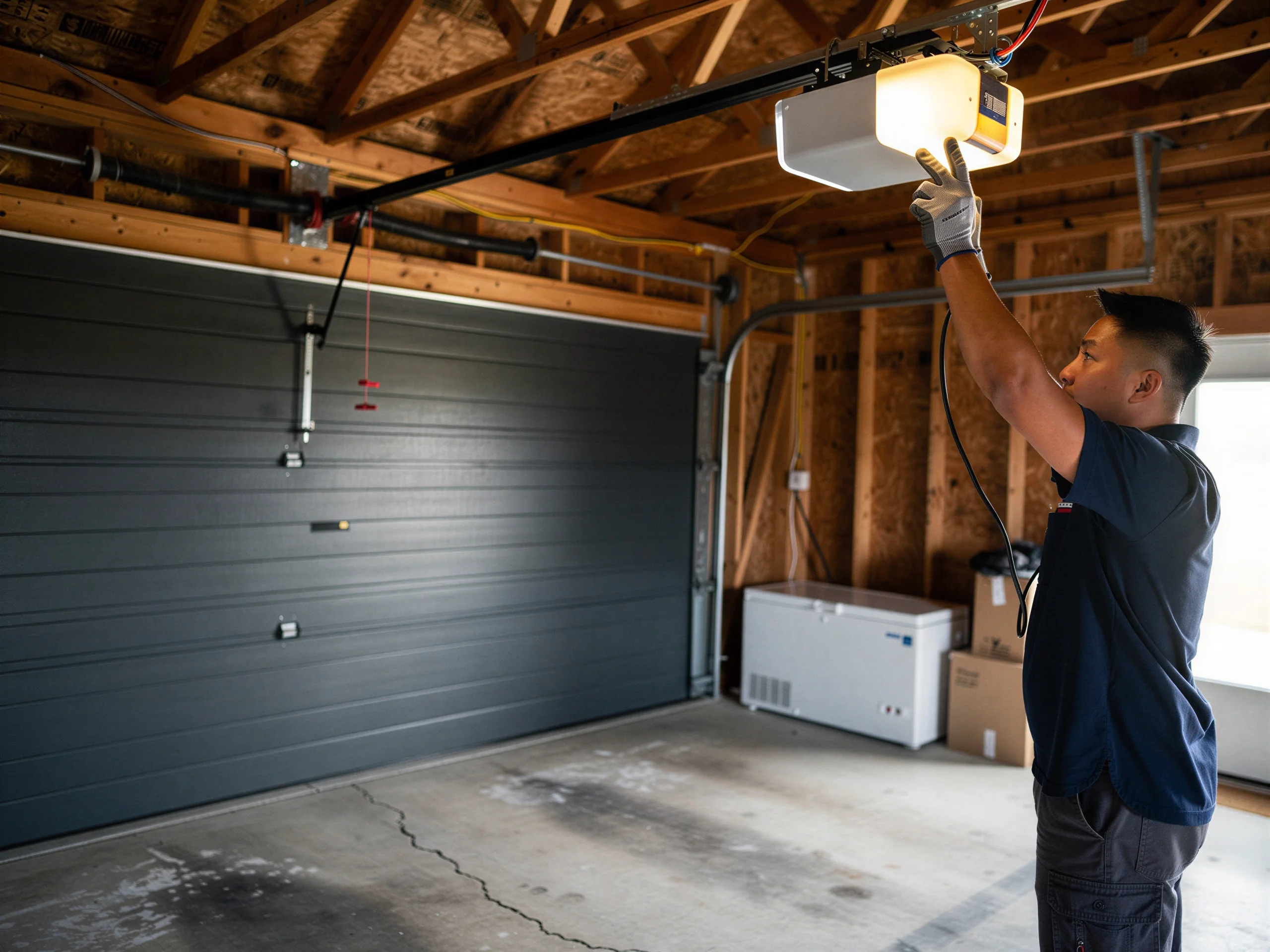
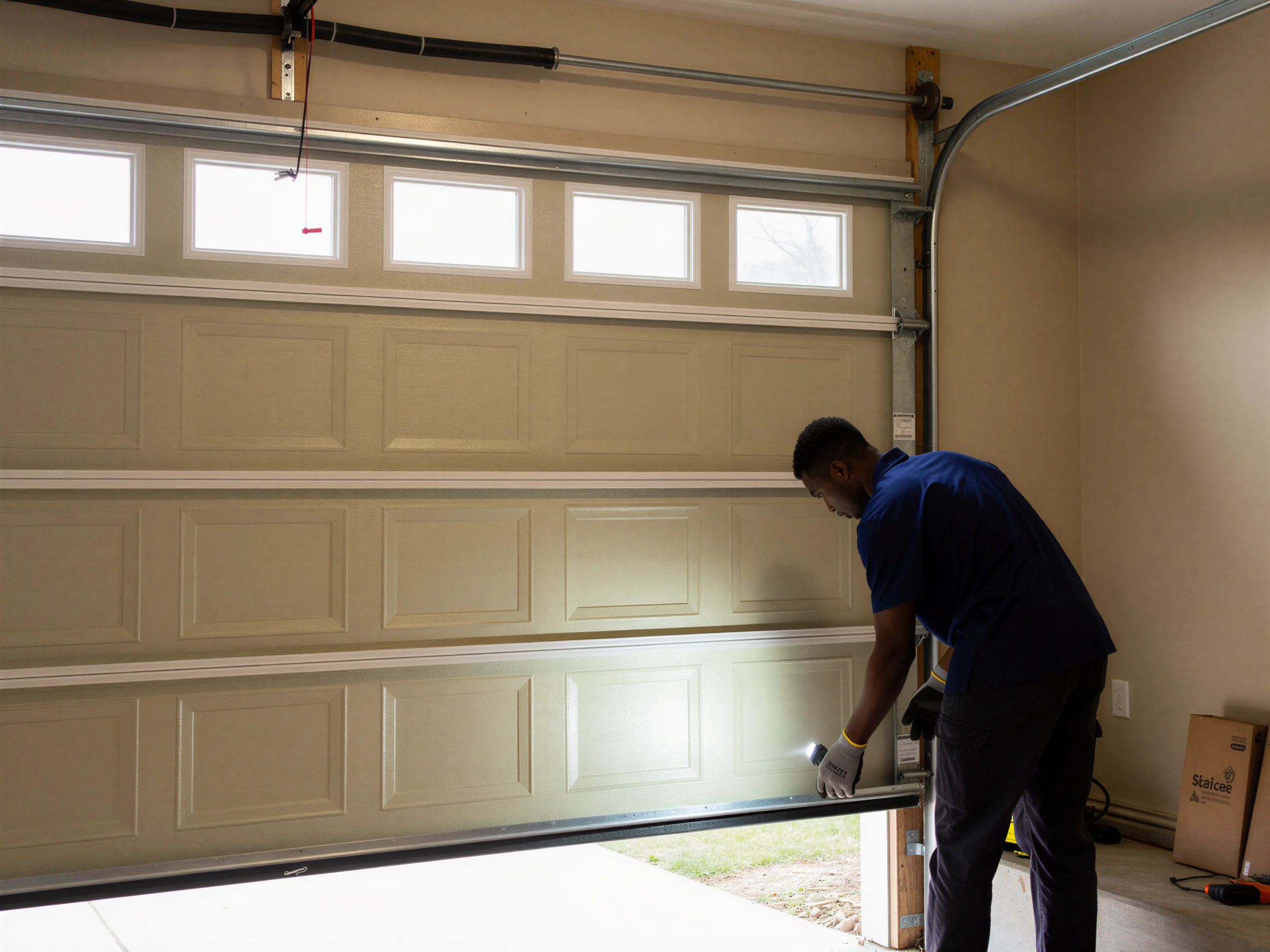
On a 2003-era build, the common complaint is the opener doing something strange - reversing before it closes, the remote working intermittently, or a grinding sound from the drive mechanism rather than the door's actual panels or spring. Sometimes it's a sensor that's drifted out of alignment after years of use, throwing the safety reverse even when nothing's blocking the door. Older hardware failures - a spring that lets go with a loud bang, a cable that frays and snaps - still happen here too, just less often than in neighborhoods built decades earlier. If the door won't budge at all and the opener motor is straining, that's usually spring, not opener.
What Can Go Wrong
The main risk on a newer opener is treating an electronics problem like a mechanical one - swapping a spring or cable when the real fault is a sensor or board, which wastes a trip and your money. The other risk is letting a worn drive belt or chain go too long; once it snaps, the opener motor can keep running with nothing turning, which burns out the motor itself. If the opener is old enough to be failing on boards and the model is discontinued, replacement is sometimes the better call than repair - we'll tell you straight if that's where a job is headed rather than keep patching a dead-end opener.
Talk to a local pro
Garage door service in North Port?
Same-day service with honest, upfront quotes.