What Causes It Around Here
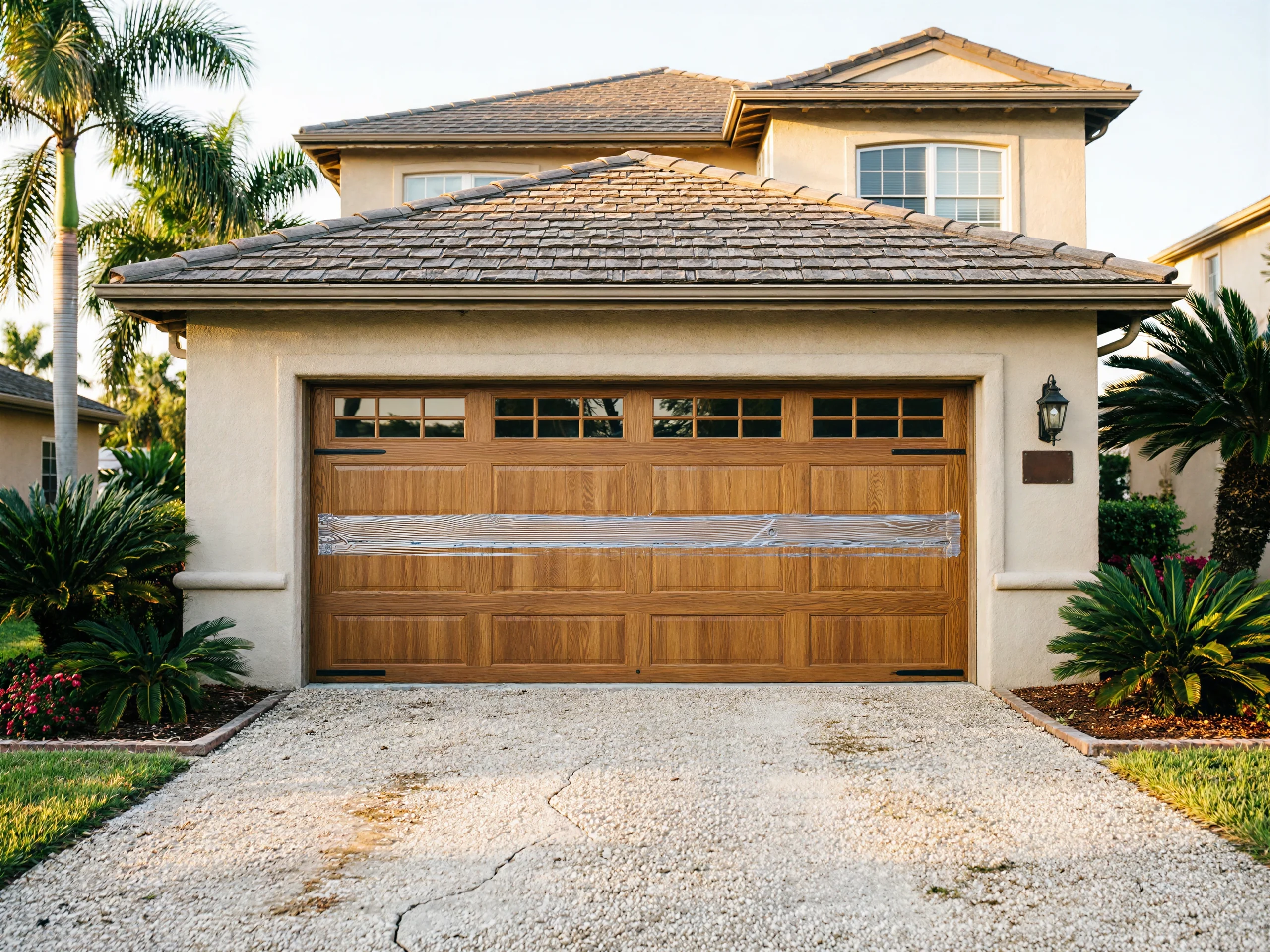
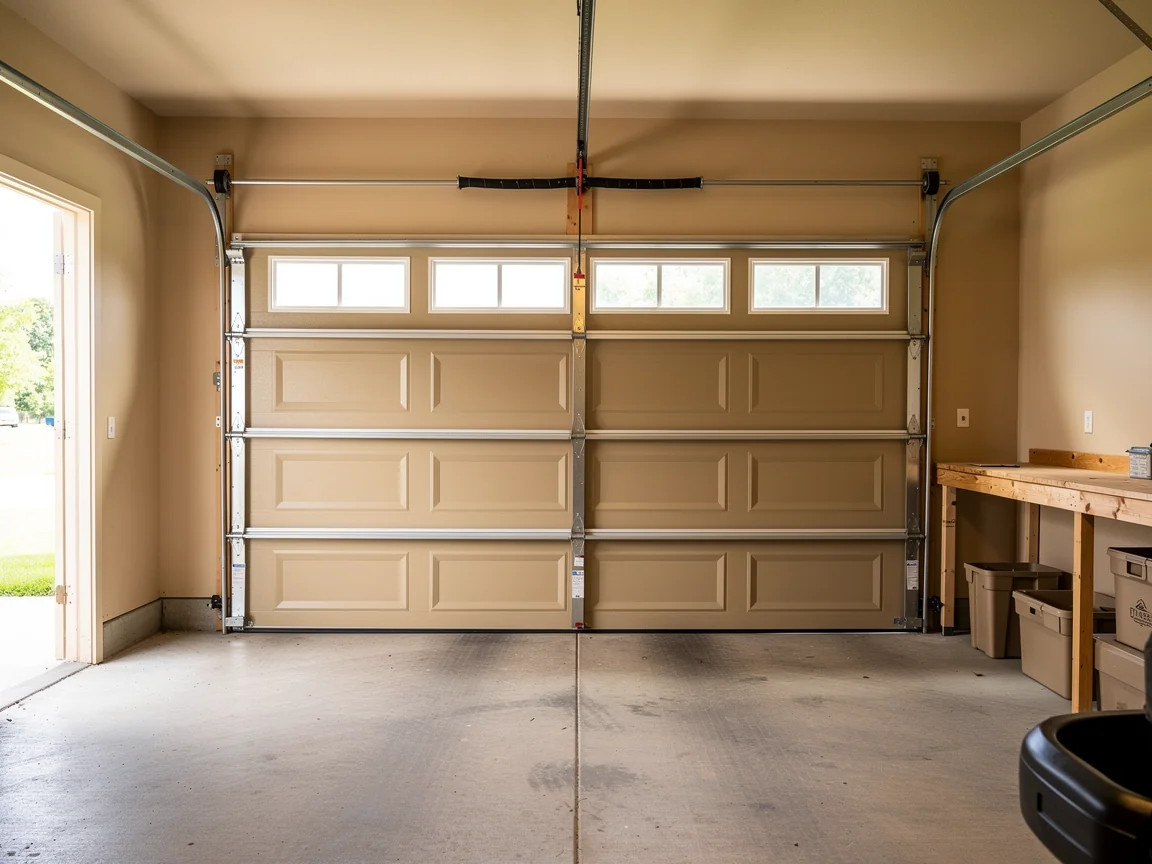
Charlotte Park's median build year sits at 2003, which puts it ahead of most of the North Port service area, where the typical house went up back in 1983. That ten-plus-year gap matters on a garage door. Builders in the early 2000s were already moving past bare steel 7-ball rollers toward a mix of steel and early nylon, but plenty of production-grade doors from that era still shipped with stamped steel rollers on raw (ungreased) stems, because it was the cheaper spec and builders were cost-conscious on tract housing. Those rollers ride metal-on-metal in the track, and over fifteen-plus years they wear the stem thin, pit the roller face, and start grinding every time the door runs. You'll hear it before you see it. The area sits in a mild temperate climate band, so we're not dealing with the hard freeze-thaw cycling that cracks nylon rollers up north - here it's closer to straight mechanical wear plus humidity working on any rust spot that's already started. With only about 1,070 households in Charlotte Park, this isn't a neighborhood we're pulling huge call volume from, but the doors going bad right now are consistently the same builder-grade steel-roller doors from that early-2000s wave.
Booking a Visit
We run out of North Port, about 14 miles from Charlotte Park, so a visit here gets scheduled as a route stop rather than a same-hour walk-in.
Guessing hardware from build year
Tell us the door's rough age when you call - if it matches the house and the house was built near 2003, we already have a good guess at what's on the track before the truck leaves. That saves a second trip for the wrong roller stem length.
Distance shapes the schedule
We don't keep a branch in Charlotte Park, so every job is dispatched from North Port; we're upfront about that distance because it affects how we plan the day's stops, not because it changes the work once we're at your door.
What Is on the Truck
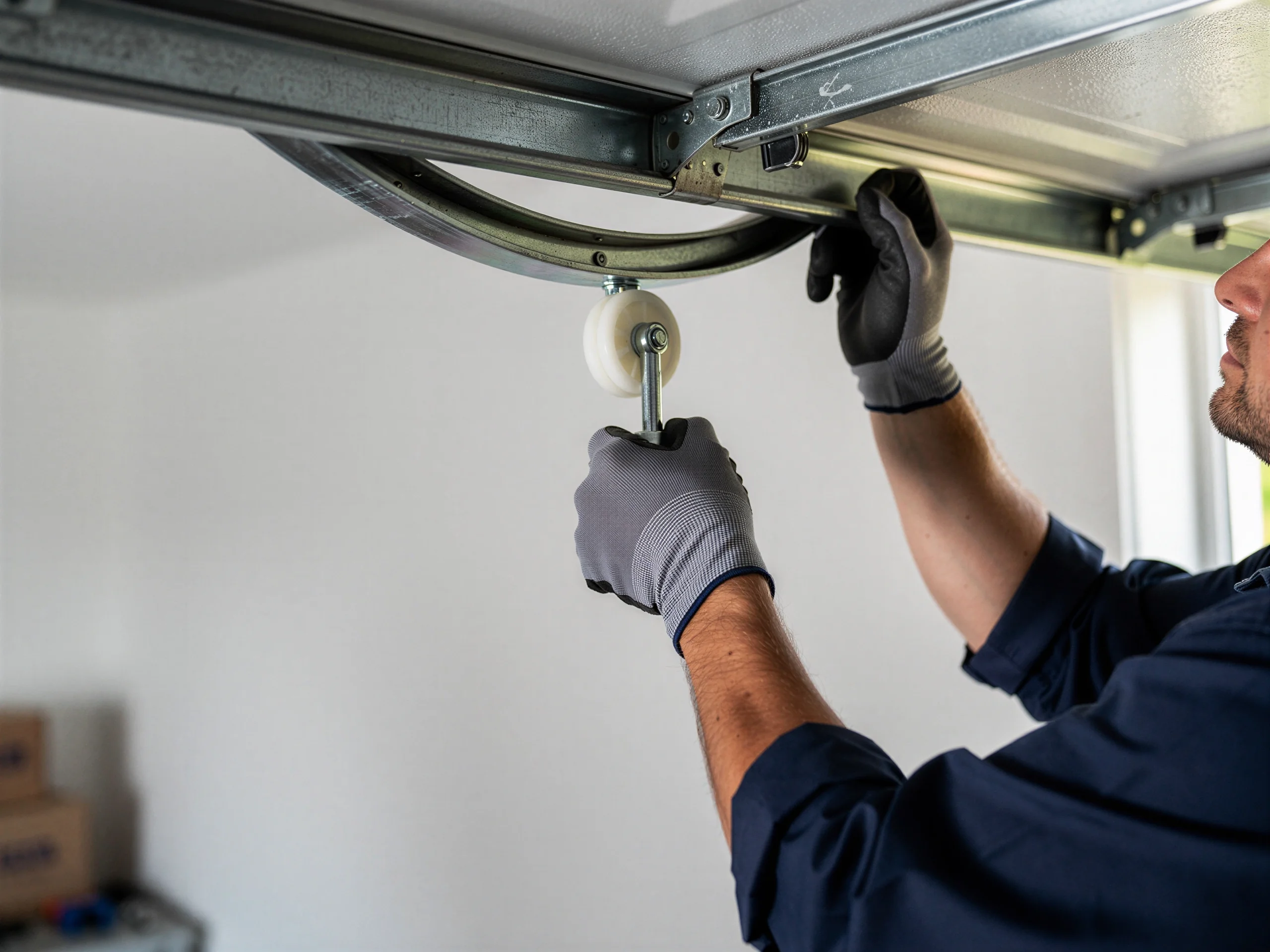
For this era of door we carry both 7-ball steel rollers and sealed nylon rollers, since early-2000s builder doors can have either depending on which upgrade package the original owner paid for. Nylon rollers with sealed bearings are the standard swap now - quieter, no lubrication needed, and they don't score the galvanized track the way a worn steel roller does. We stock stems in the common lengths used on residential sectional doors, plus the brackets that hold the bottom roller pair, since those brackets usually corrode along with the roller on a door this age. What we don't carry on the truck is specialty hardware for custom or architectural doors - if Charlotte Park turns out to have one of those, we'll quote the part and come back rather than guess at a fit.
How Long You Are Without the Door
A straight roller swap on a standard sectional door - all ten rollers, both rails - is a same-visit job once the truck is parked.
Diagnosis and rail realignment
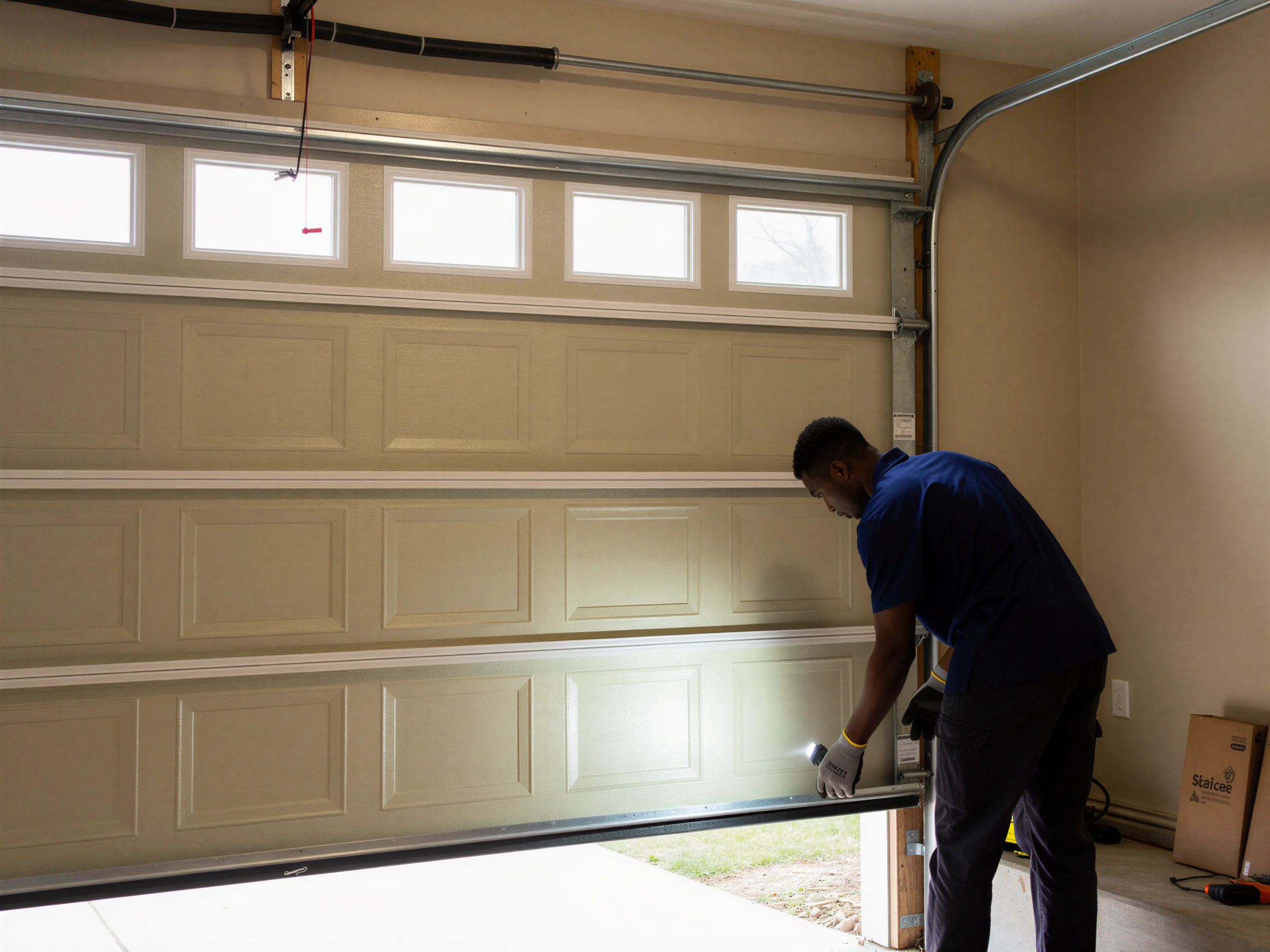
The time that adds up is everything around it: diagnosing which rollers are actually bad versus just noisy, checking the track for the grooving a bad steel roller leaves behind, and re-aligning the rail if the wear has pushed it out of square.
Simpler job without rust
On a 2003-built door that's had one owner and normal use, we're usually not fighting rust-frozen fasteners the way we would on an older house, which keeps the job closer to the simpler end.
How It Shows Up
The usual first sign is a grinding or rumbling sound right as the door starts or stops - that's the flat spot worn into a steel roller hitting the track. Some owners notice the door jerks slightly partway through the cycle, which is the bent or pitted roller catching rather than rolling smooth. If you can see daylight between the roller and the track on one side, or the roller wobbles when the door's halfway open, that roller's done. On Charlotte Park's early-2000s doors, this tends to start on the bottom two rollers first, since they carry the most load every single cycle.
What Can Go Wrong
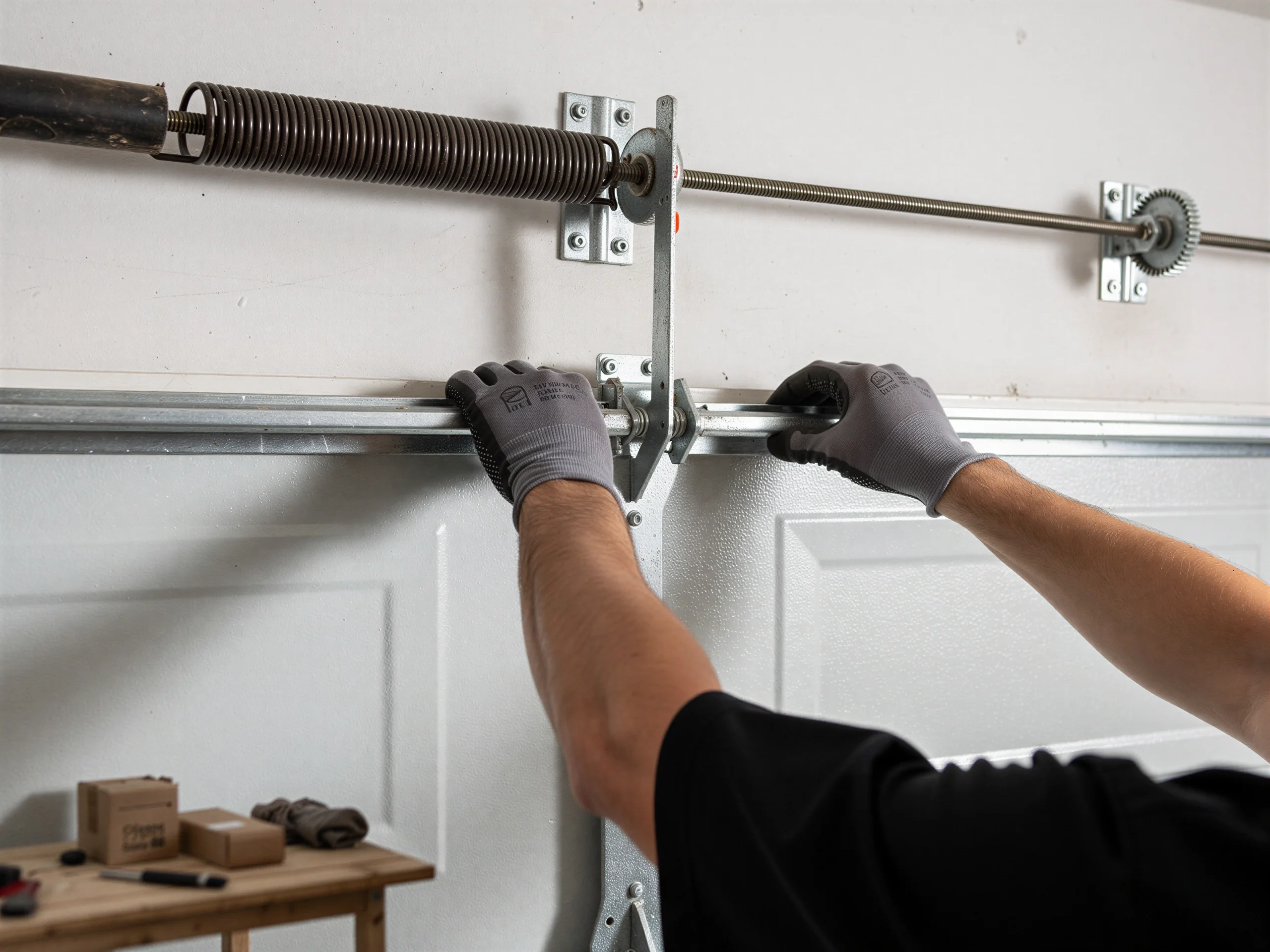
Worn rollers rarely fail alone. If a steel roller's been grinding for months, it's usually chewed a groove into the track, and a new roller dropped into a damaged track will just wear out fast again - that section of track needs straightening or replacing too, which is an honest add to the quote, not an upsell. We also check the bottom brackets, since those take the roller's side load and can crack on a door that's been run hard. One limitation worth saying plainly: if the door is also showing spring fatigue or a bent panel alongside the roller wear, we'll flag it, but a roller-only visit doesn't include diagnosing or fixing those separately - that's a different conversation and a different quote.
Talk to a local pro
Garage door service in North Port?
Same-day service with honest, upfront quotes.