How It Shows Up
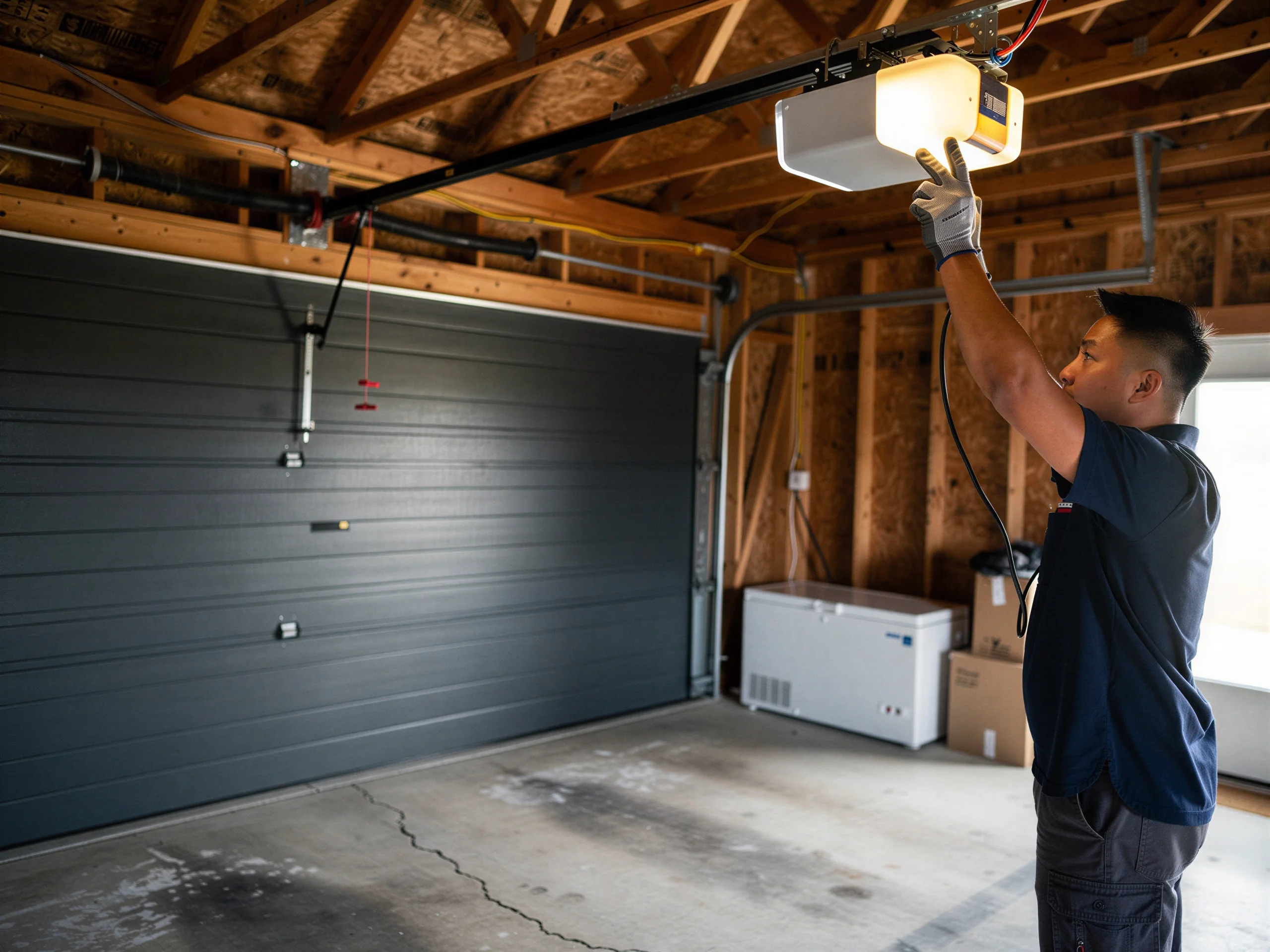
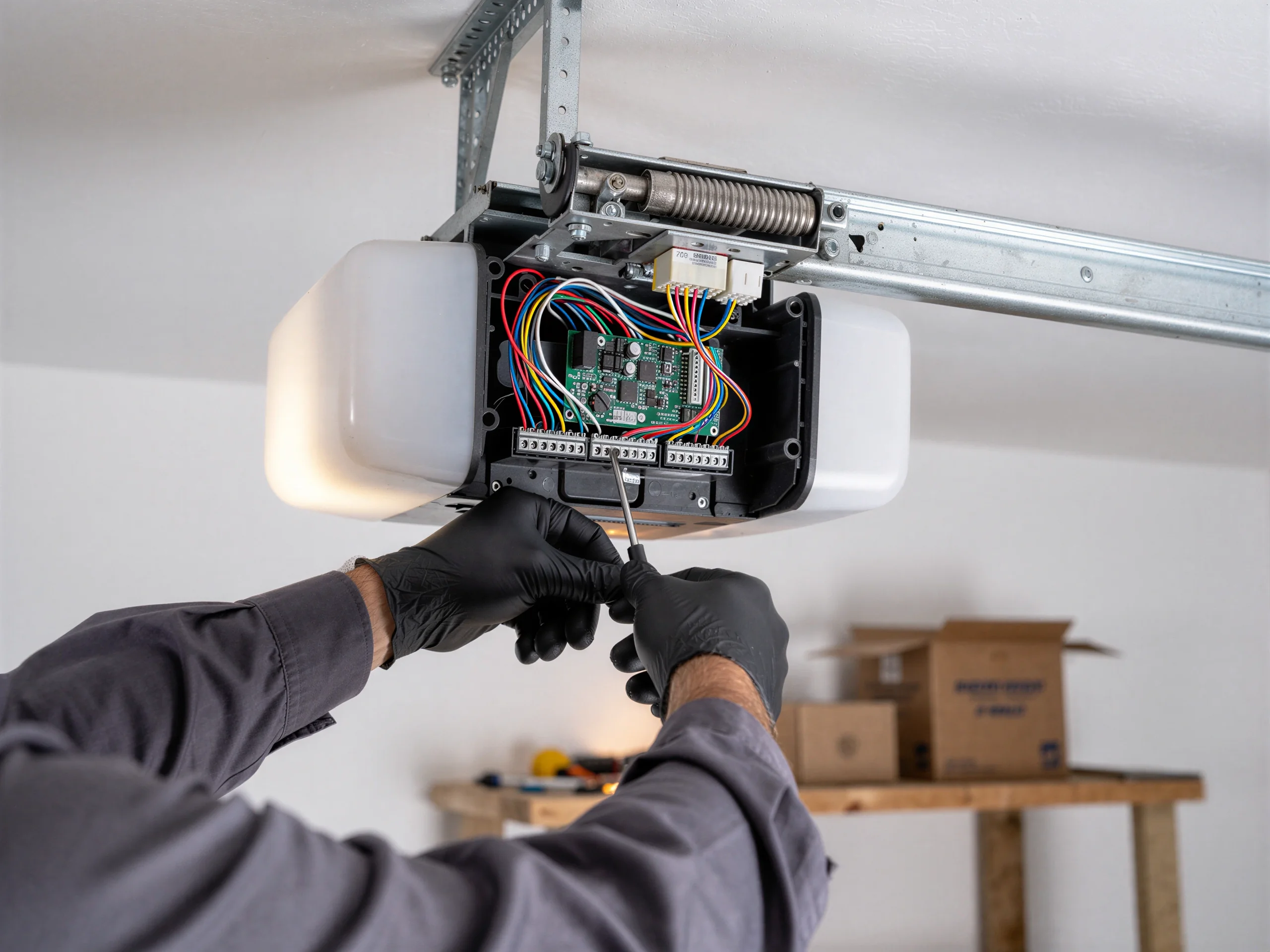
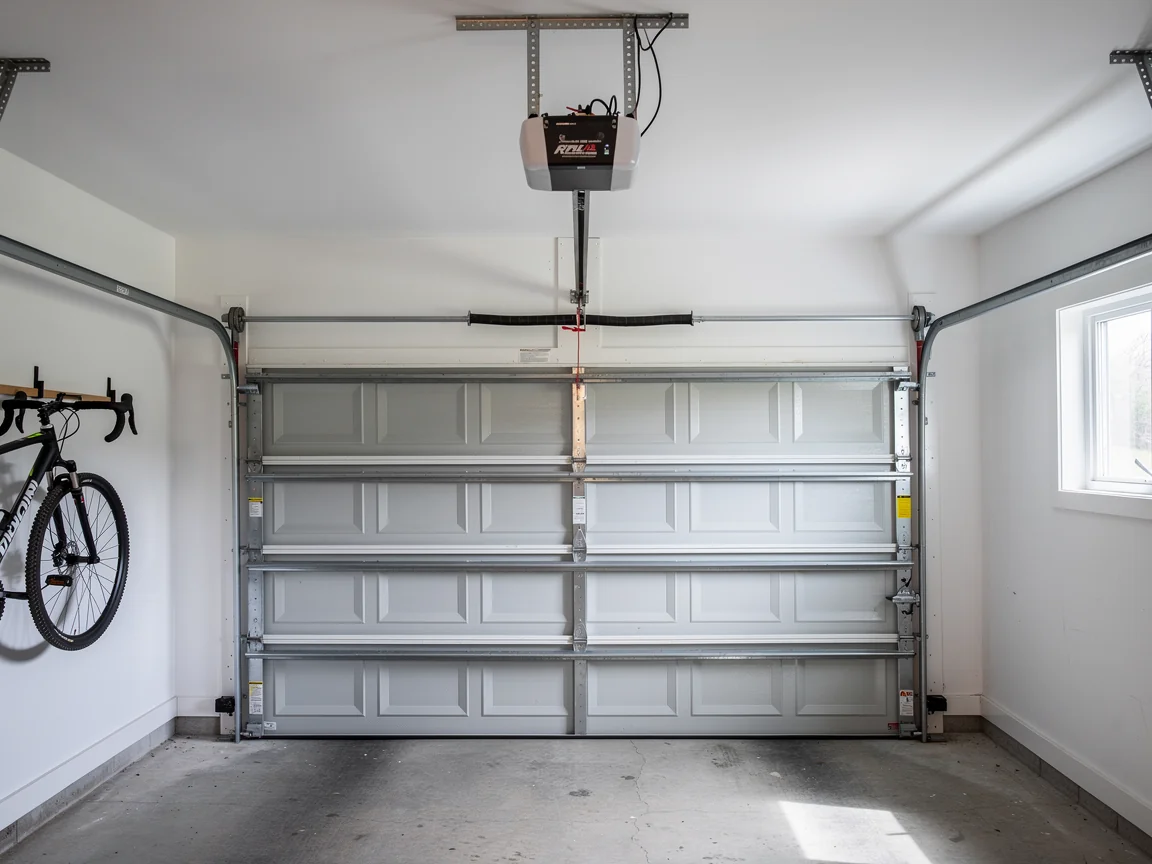
A lot of openers in Laurel have never been touched since the house went up. The median build year here is 1983, and if nobody's swapped the unit since, you're looking at a chain-drive opener from before the 1993 federal rule that required photo-eye safety sensors on every new installation. That means no beam across the floor of the garage, no auto-reverse logic worth trusting, and a logic board that predates anything resembling today's circuit protection. Symptoms we see on these original units: the door reverses for no reason, the remote works some days and not others, or the motor hums and the door doesn't move at all. On a unit this old, that humming is usually a capacitor giving out, not a fluke. Some owners also notice the opener light flashing a code - newer boards do that on purpose, but a 1980s unit with no display just quits, which is its own kind of diagnostic information if you know what you're looking at. None of this is unique to one house. It's the whole build era talking.
Booking a Visit
We're based in North Port and Laurel is about 17 miles out, so a visit here is a drive, not a walk-in. That's worth knowing up front because we don't keep a counter or a depot in Laurel - every job starts with a truck leaving North Port.
Opener age history questions
Once you call, we'll ask what year the opener looks like it's from and whether it's ever been replaced, since that tells us more than the symptom does.
Small pocket, known route
Laurel is a smaller pocket than the rest of the service area - about 5,898 households, against roughly 30,957 across the territory we cover - so we're not rolling through constantly, but the route is a known one.
Owners often replace outright
Median household income here runs around $89,282, notably higher than the service-area median of $60,885, which in practice means more owners choose to replace an aging opener outright rather than keep nursing a 40-year-old motor along. Either path is fine. We'll tell you honestly which one makes sense once we've looked at what's actually failing.
What Causes It Around Here
The climate band covering this part of the state is mild temperate - no hard freezes, but steady humidity and heat cycling year-round. That's gentler on steel springs than a northern winter would be, but it's not free of cost. Chain-drive openers from the early 1980s use grease and chain tensioners that weren't built with 40 years of Gulf Coast humidity in mind. The chain stretches, the gear sprocket inside the housing wears down to a nub, and the motor starts working harder to do the same job. None of that shows up as a dramatic failure - it's a slow drift until one day the door just won't open past six inches. Housing stock across this broader area runs 1968 to 2003, mostly concentrated in the 1980s and 90s across the thirteen named communities we cover, so this pattern isn't rare. It's close to the default for anyone who hasn't already swapped the unit once.
What Is on the Truck
We carry logic boards, drive gears, and capacitors that fit the chain and belt-drive openers common to the 1980s and 90s building wave, since that's most of what we're pulling out of garages in this part of the county.
Retrofitting photo-eye safety sensors
We also carry photo-eye sensor kits for houses where the original opener predates them entirely - that's a retrofit we do often here, not a sales pitch, because a door with no safety reversal is a real hazard with kids or pets around. What we don't carry is every proprietary remote and keypad ever made.
Boards no longer supported
Some manufacturers stopped supporting boards from this era outright, and if yours is one of them, we'll say so rather than quote you a part that isn't coming. That's the honest limit of a truck stock: we carry what covers the common failures, not every discontinued part from four decades of opener manufacturing.
What Can Go Wrong
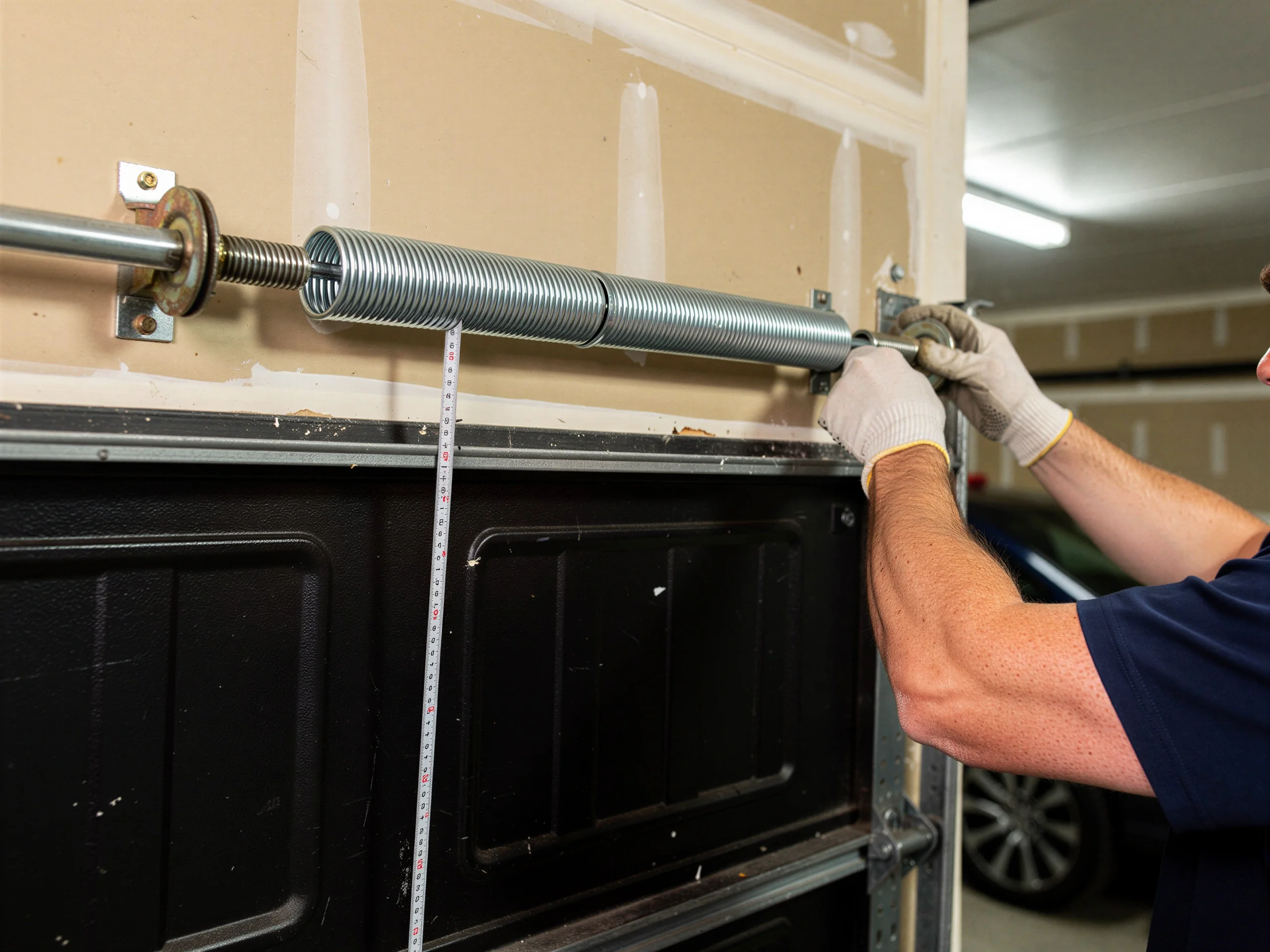
The biggest risk with an opener this old is treating a bigger problem as a small one. If the motor is straining because the springs are also original to 1983, replacing just the opener gets you a few months before the same strain burns out the new motor too. We check the spring and the opener together, not one in isolation, because fixing the symptom while ignoring the cause is a fast way to end up back here. The other honest call: sometimes a 1980s chain-drive unit has given out for the last time, and parts for that specific board aren't worth sourcing. At that point we'll tell you replacement is the better money, not talk you into a patch job that won't hold. We'd rather lose a repair sale than have you calling again in three weeks.
Talk to a local pro
Garage door service in North Port?
Same-day service with honest, upfront quotes.