How It Shows Up
Laurel sits seventeen miles out from our North Port shop, which is far enough that we load the truck with more than one spring size before we leave rather than guessing on arrival.
Stock both spring types
That drive shapes how a call here actually runs: we ask what you're seeing on the phone, listen for the details that tell us torsion versus extension, and bring stock for both because a second trip over that distance helps nobody.
Symptoms across the area
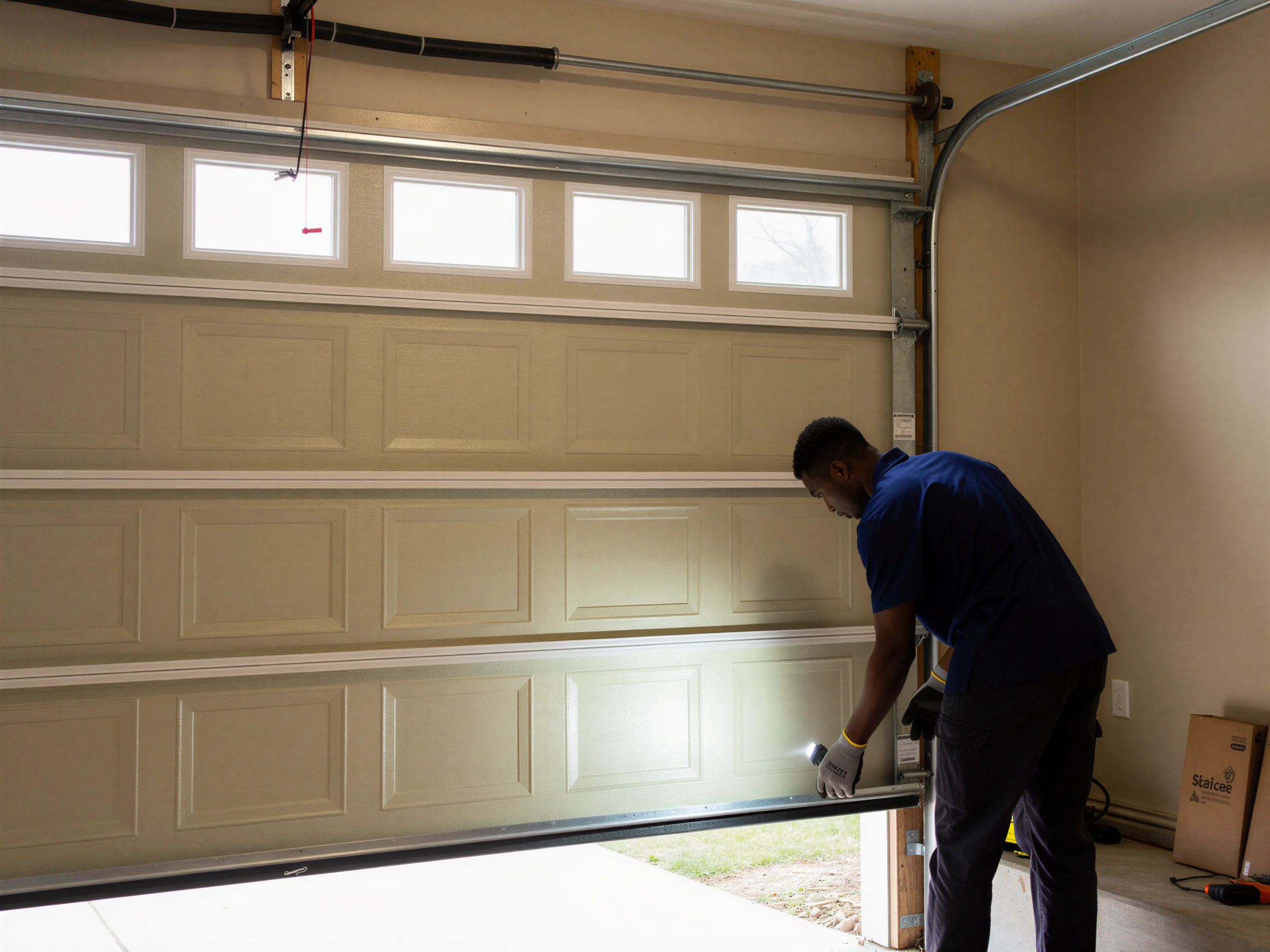
The symptom itself looks the same everywhere a spring goes: the door won't lift, or it lifts a few inches and stalls, or you hear a bang from the garage and now the opener strains and clicks instead of opening.
Original 1980s torsion setups
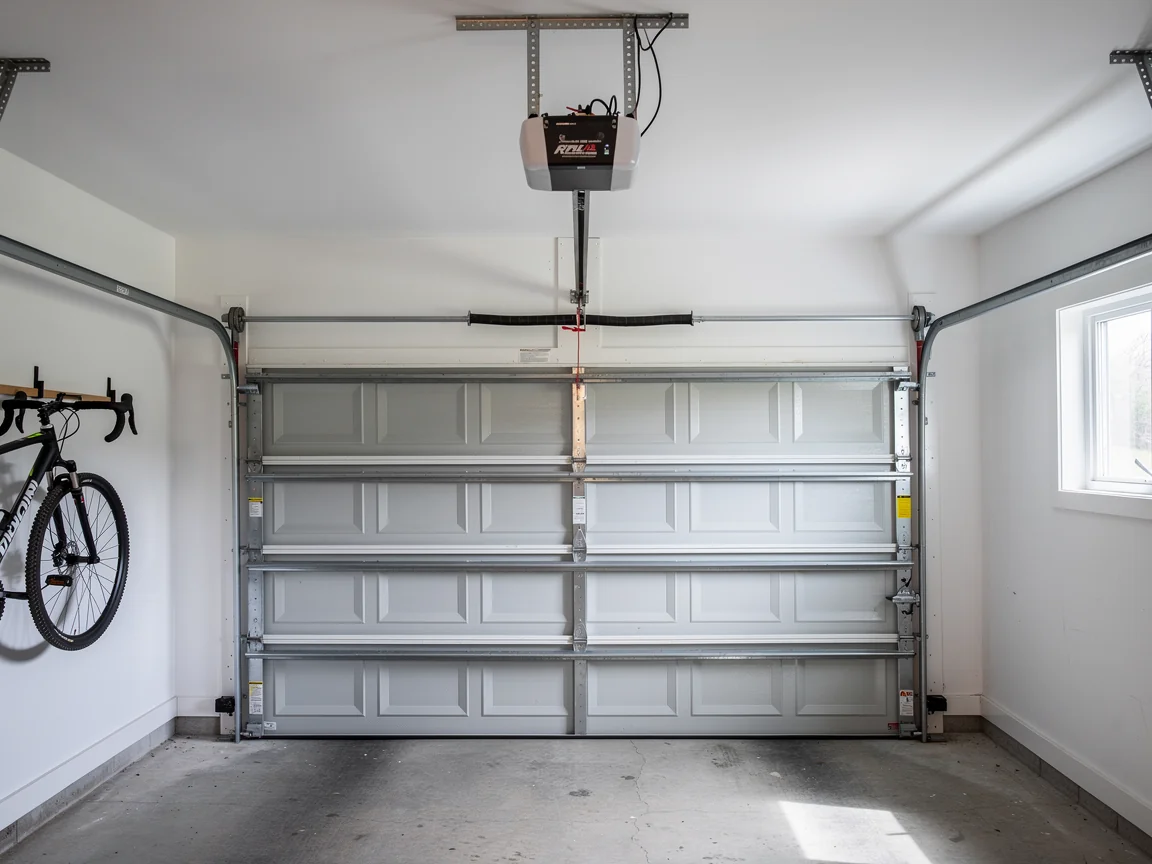
Homes in this area went up mostly in the 1980s and 90s, median around 1983, so a lot of what we find are the original torsion setups or a first-generation replacement that's now reaching the end of its own cycle. A spring rated for years of cycles doesn't care what town it's in, but the age of the hardware around it does, and that's what we're actually diagnosing when we get there.
Booking a Visit
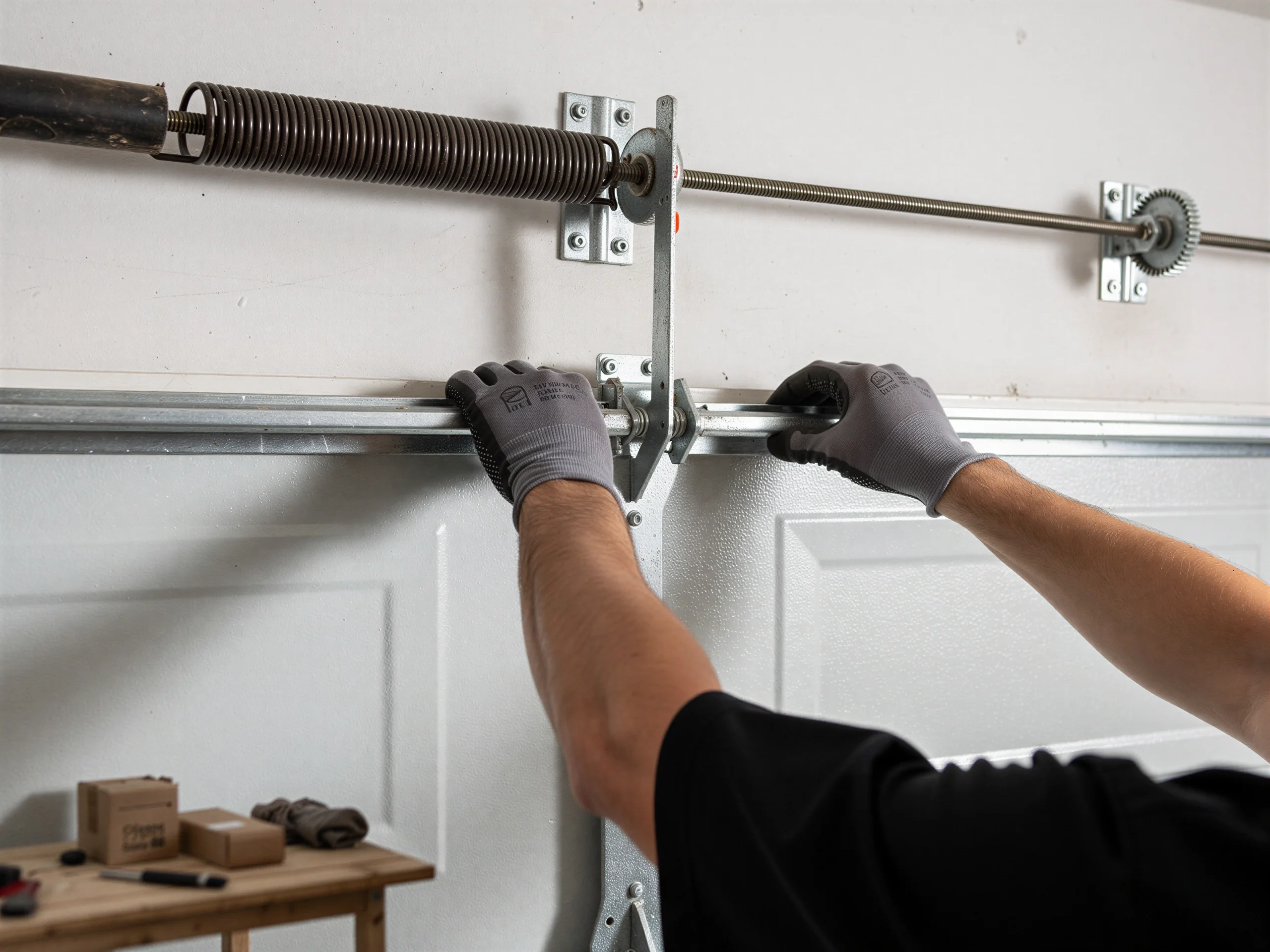
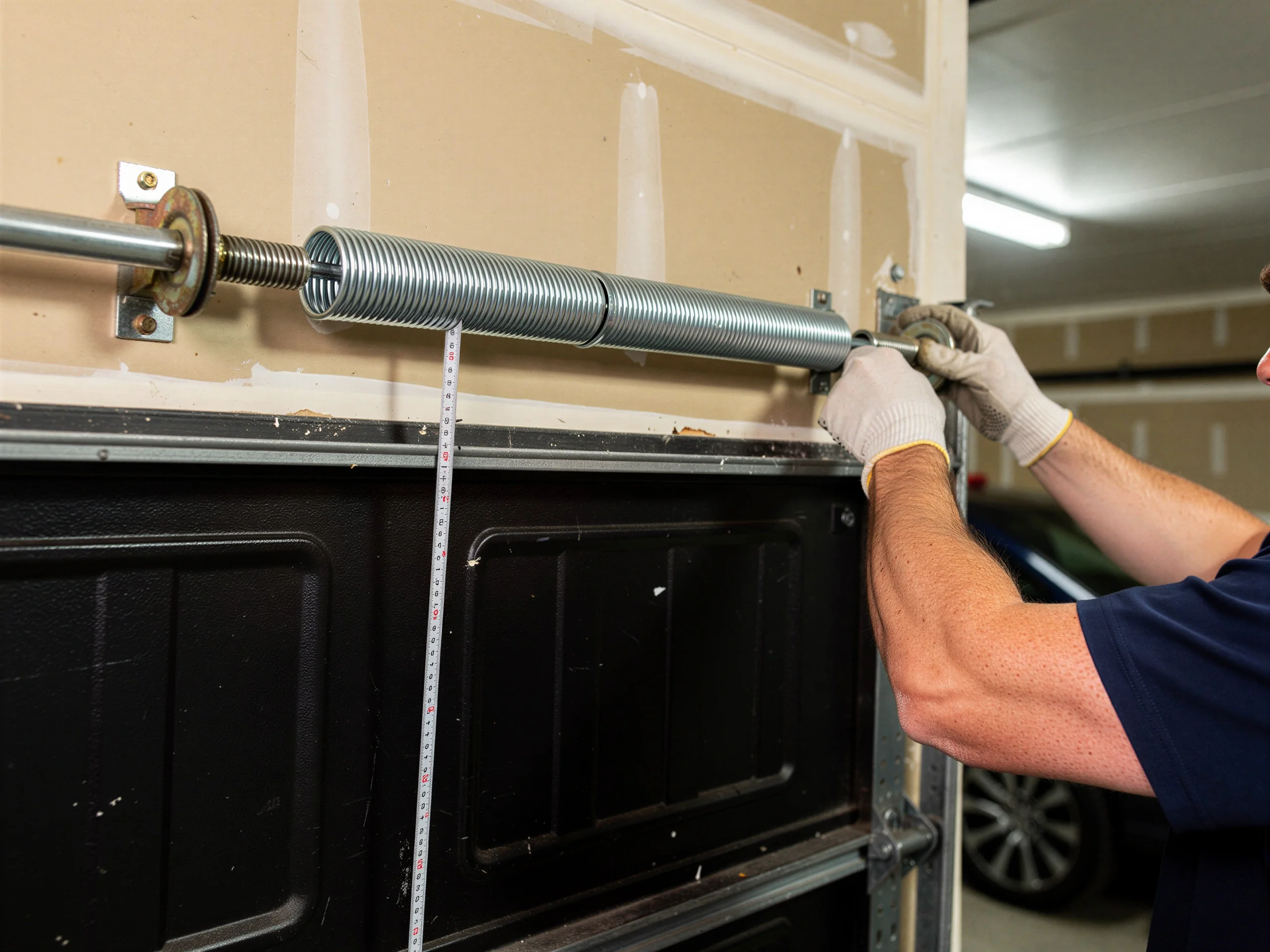
We don't keep a branch in Laurel. Every job here is dispatched out of North Port, so when you call, we're working out timing around that seventeen-mile drive rather than promising something based on a crew sitting around the corner. Tell us the door type, how old the house is if you know it, and whether the spring is visibly broken or just not holding tension anymore - torsion springs mounted above the door versus extension springs stretched along the tracks take different parts, and matching that before the truck leaves saves a return trip.
Laurel has about 5,898 households, and median income here runs $89,282, noticeably higher than the roughly $60,885 median across the wider service area we cover. That doesn't change what a spring costs, but it does mean we're often replacing both springs on a double door rather than patching one, since owners here tend to want the job done once and not revisited in a year. We'll quote what's actually in front of us, not a number pulled from a different job.
What Causes It Around Here
The housing stock across this area runs 1968 to 2003, with Laurel's own median landing around 1983, and that generation of garage door hardware has a predictable failure pattern: the torsion spring was sized for the original door weight, and decades of cycling plus Florida's mild temperate climate - no deep freeze, but real humidity and heat swings - eventually fatigues the coil until it snaps, usually without much warning.
It's not a dramatic climate story like it would be somewhere with hard winters; springs here don't crack from cold-shrink. What gets them is cycle count and, on older torsion bar setups, rust creeping into the coil winding from years of humid air moving through an attached garage. Houses built toward the earlier end of that 1968-2003 range are the ones most likely to still have original hardware, since a full door replacement often means new springs anyway, but a house that's had the same door since it was built is a house we expect to see a stretched or fatigued spring on.
What Is on the Truck
For a Laurel call we bring torsion springs in the common sizes for residential single and double doors, extension spring sets for older track-mounted systems, safety cables, and the drums and bearing plates that tend to wear alongside a spring that's about to go.
Carrying both spring styles
Given the drive, we try to stock for both spring types rather than assume, since a house built in the early 1980s is just as likely to have extension springs as torsion depending on who installed the door. What we don't carry is every spring size for every door ever made.
Mismatched springs never forced
If a door turns out to need an unusual wind or a wire gauge we don't stock, that's a second trip, and we'll say so rather than force a mismatched spring onto your door - a spring under- or over-wound for the door weight fails again fast, sometimes dangerously, and that's not a repair worth doing twice.
What Can Go Wrong
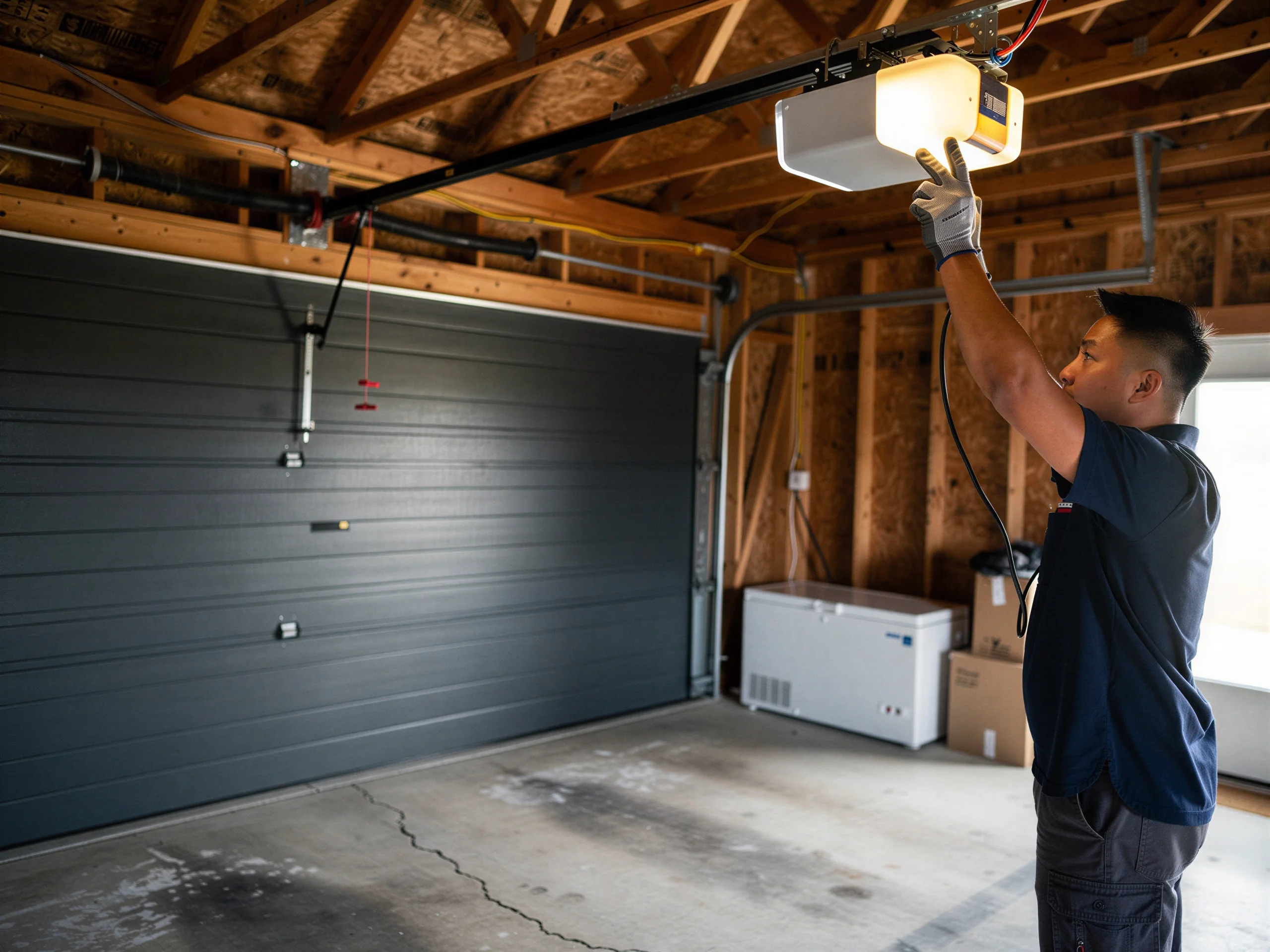
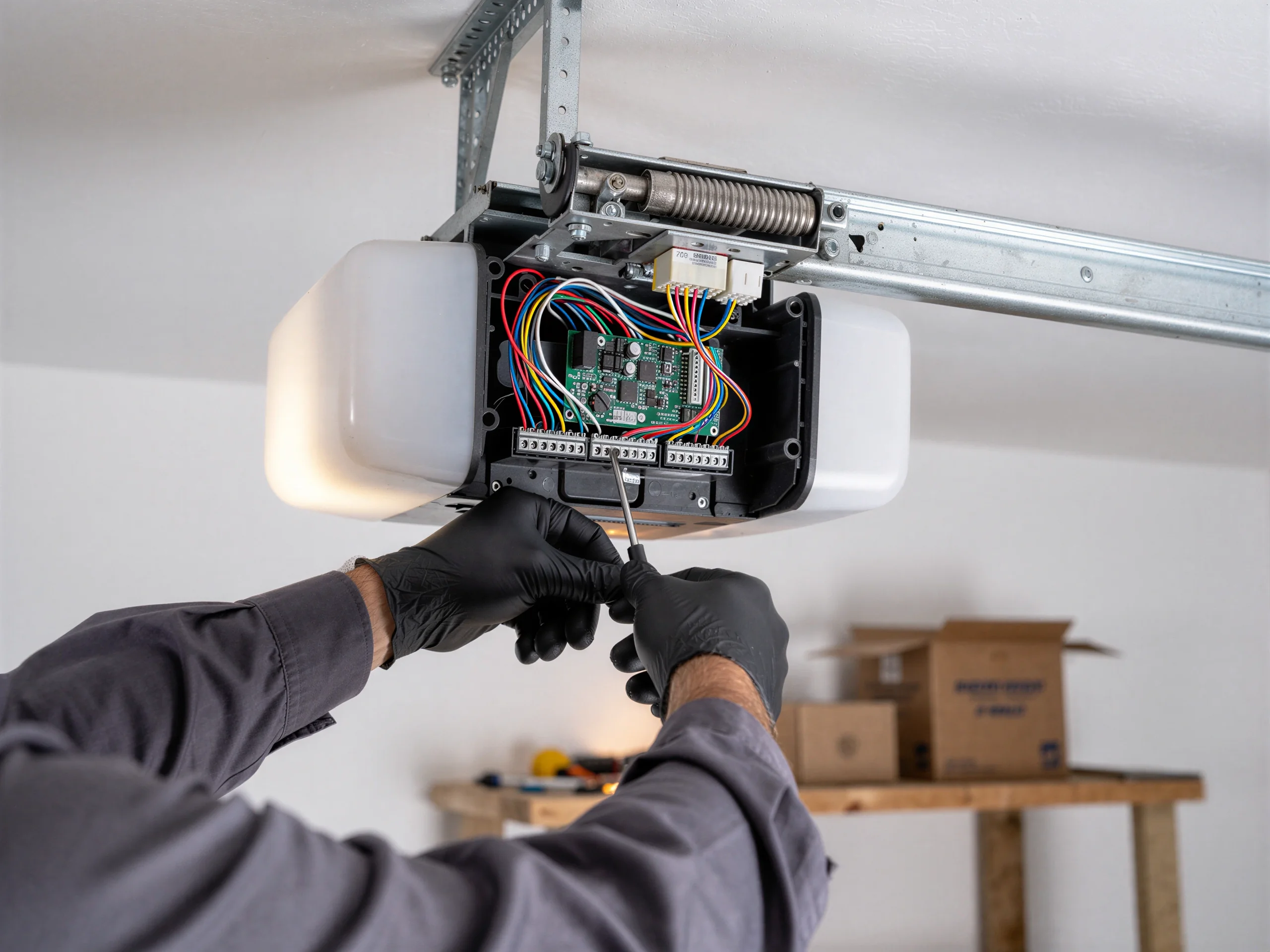
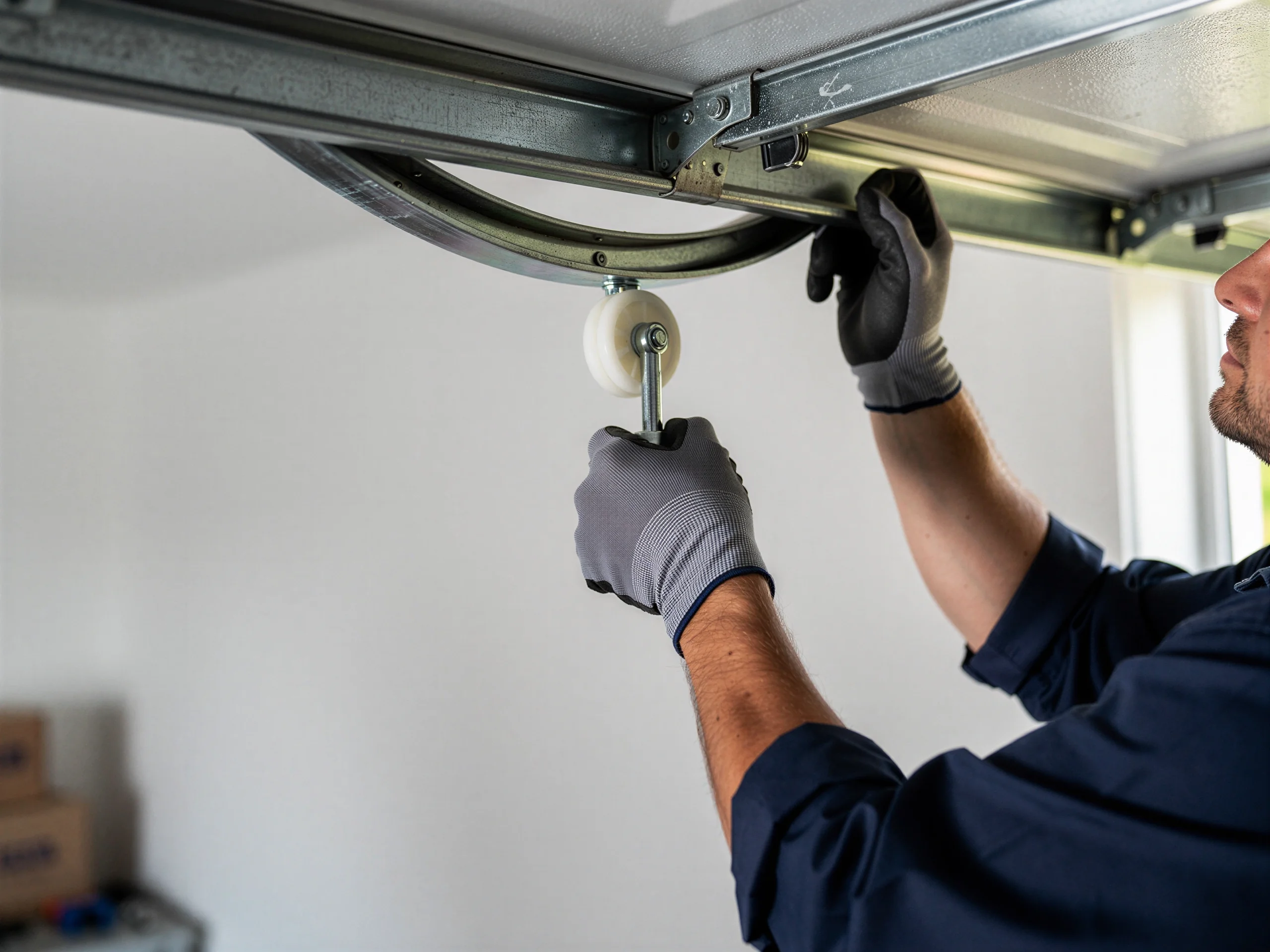
A spring job sounds simple until the cable's frayed, the drum is chewed up, or the opener has been fighting a weak spring long enough that the gears inside are stripped too. On a house from the 1983 median era, we commonly find the spring is the symptom and a rusted bottom bracket or worn roller is the part that actually failed first.
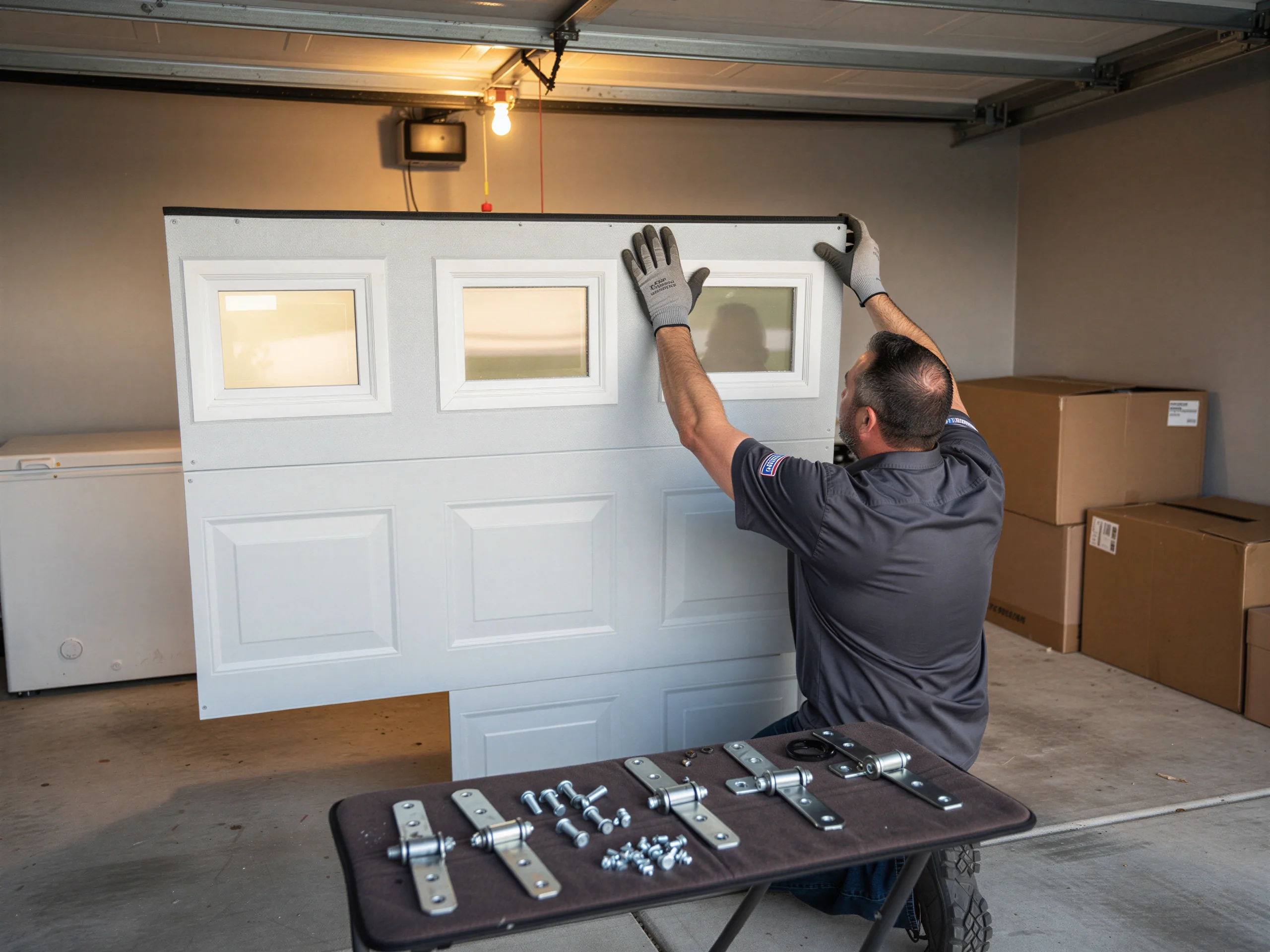
The honest limit here: if the door itself is original to a house built decades ago and the track or panels are bent beyond square, a new spring won't fix what's really wrong, and we'll tell you that instead of selling a spring that just buys you a few more months. Sometimes replacing the door is the cheaper call over time than repeatedly patching hardware that's outlived its design life.
Talk to a local pro
Garage door service in North Port?
Same-day service with honest, upfront quotes.