How It Shows Up
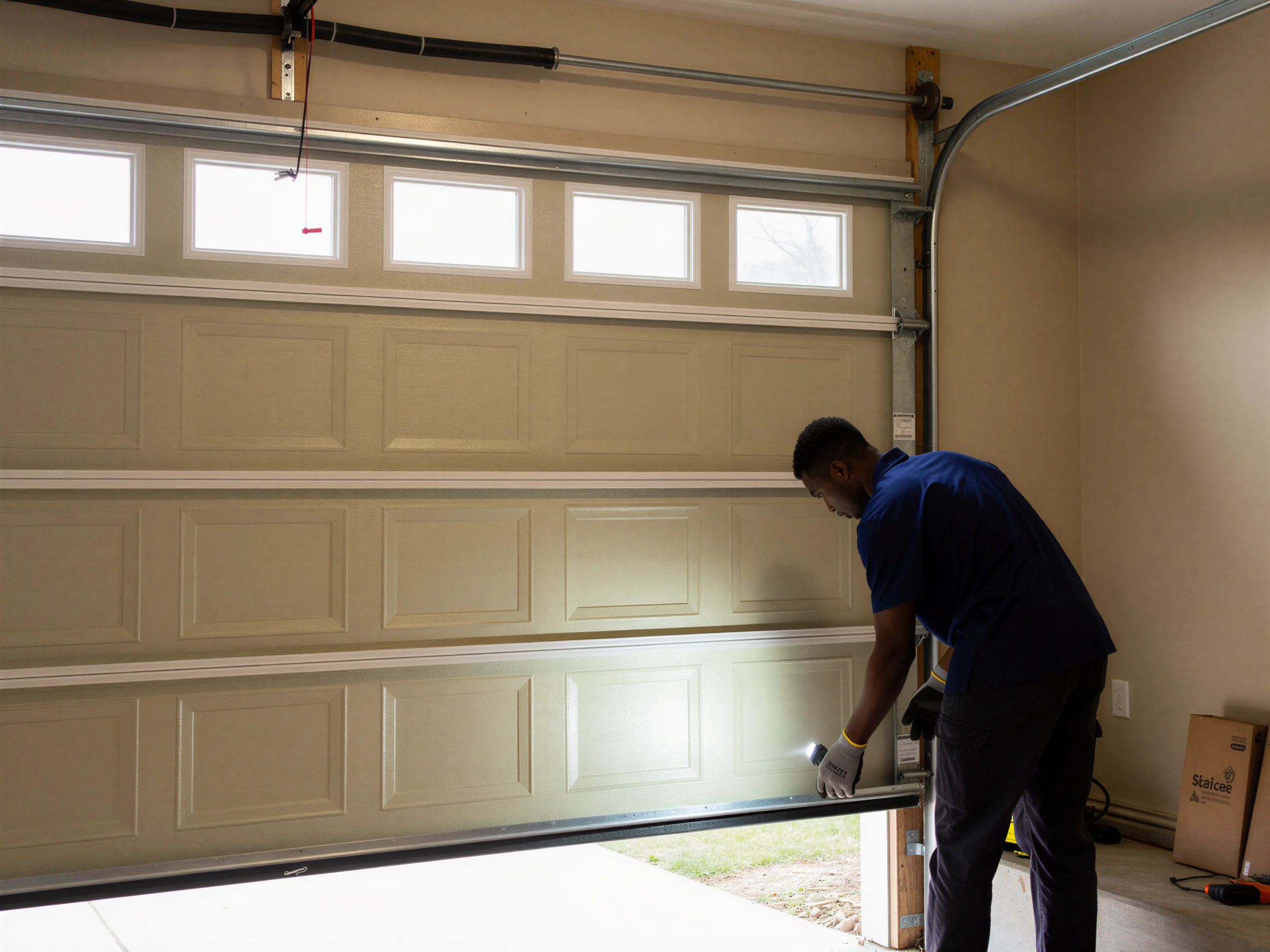
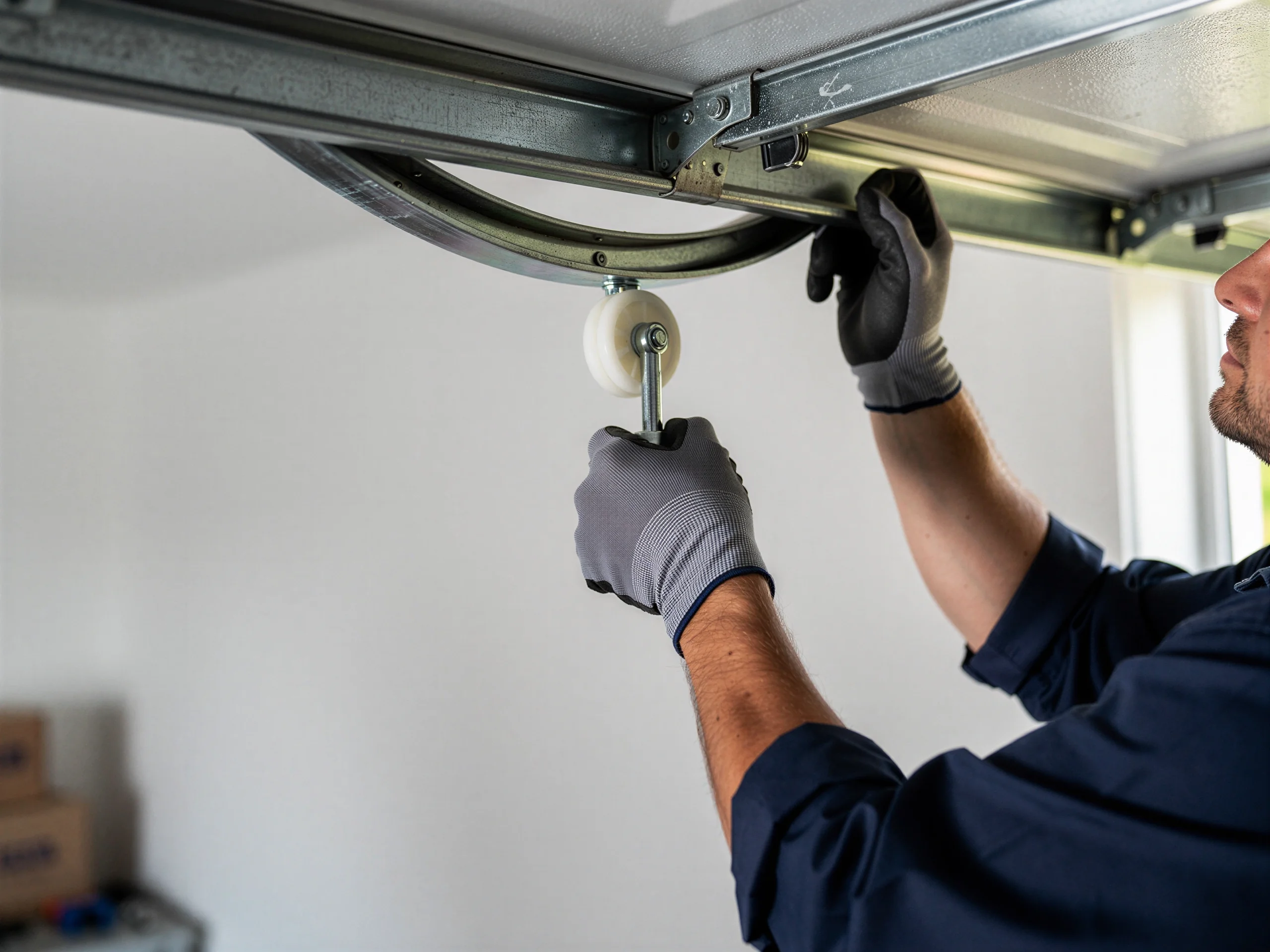
Laurel's housing stock centers on 1983, which means most doors here still ride on the steel rollers that came standard with builder-grade track systems of that decade. You'll hear it before you see it: a grinding or popping sound as the door travels, usually worse at the top of the run where the curve into horizontal track puts the most load on a worn roller stem. Some owners notice the door catching or jumping slightly as it passes the bend, which is the roller riding on a flattened spot instead of rolling clean. In the mild coastal climate out here, rust isn't usually the driver the way it is further north - it's just age and cycle count wearing down the bearing inside the roller stem until there's play in it. On a door opened a few times a day for close to forty years, that wear adds up quietly until one day it's loud.
Booking a Visit
We run out of North Port, about 17 miles from Laurel, so a visit here gets scheduled rather than walked up on - there's no local branch to swing by.
Stuck partway changes loadout
When you call, tell us whether the door still opens and closes or if it's stuck partway, since that changes what we load on the truck before we head out.
Time window depends on travel
For a straightforward roller swap on a door that's otherwise sound, most of the job is diagnosis and the actual roller change; we don't quote a time window here because travel and the job itself both factor in, and we'd rather give you a real number on the phone than a generic one on a page.
What Causes It Around Here
With median household income in Laurel running higher than much of the wider service area, we see more owners catching this early - replacing a full roller set before one fails outright and jams the door mid-track. That's the better outcome. Left alone, a worn roller on a 1983-era door eventually binds in the track, and at that point you're not just replacing rollers, you're often dealing with a bent track section too, since the door was still trying to travel on a seized wheel. The mild temperate climate here means the rollers aren't fighting extreme heat cycling or hard freezes, so when they fail it's almost always simple fatigue - plastic rollers that have gone brittle, or steel rollers whose bearings finally give out after decades of the same lift.
What Is on the Truck
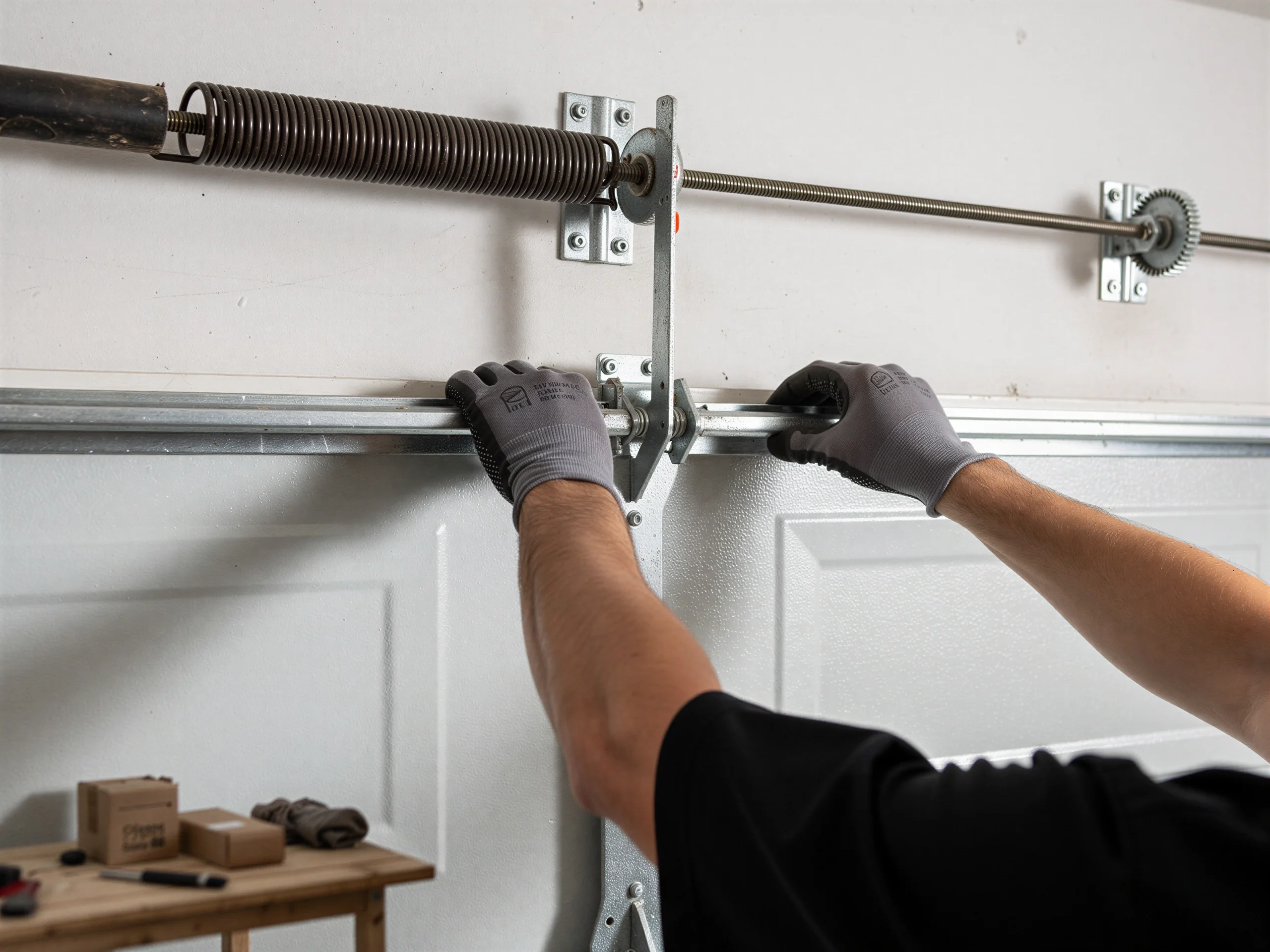
We carry sealed nylon rollers in the stem lengths that fit the track systems common to doors built in the early 1980s, along with the step bits and grease needed to do the swap without pulling the whole door off its hinges.
Quieter sealed-bearing rollers
Nylon is the standard upgrade from the steel rollers original to that era - quieter, and the sealed bearing doesn't need the periodic oiling steel rollers do. We also carry basic track-straightening tools, since a roller job on an older door sometimes turns up a track that's slightly bent from the roller riding rough before anyone noticed.
Full track sections not stocked
What we don't stock on the truck is full replacement track sections - if a track is bent badly enough to need swapping outright rather than straightening, that's a return trip once we've got the right length on board.
What Can Go Wrong
The honest limitation here: if the rollers have been bad long enough that the track itself got pulled out of alignment, a roller swap alone won't fix the noise or the jumping. We'll tell you that on site rather than sell you rollers and leave the real problem in place. On doors from the 1983 era specifically, we sometimes find the roller brackets themselves have worn oval where the roller pin sits, which means the bracket needs replacing alongside the roller or the new one will wear loose again within a year or two. It's a small part, but skipping it is the kind of shortcut that has you calling again sooner than you should have to.
Talk to a local pro
Garage door service in North Port?
Same-day service with honest, upfront quotes.