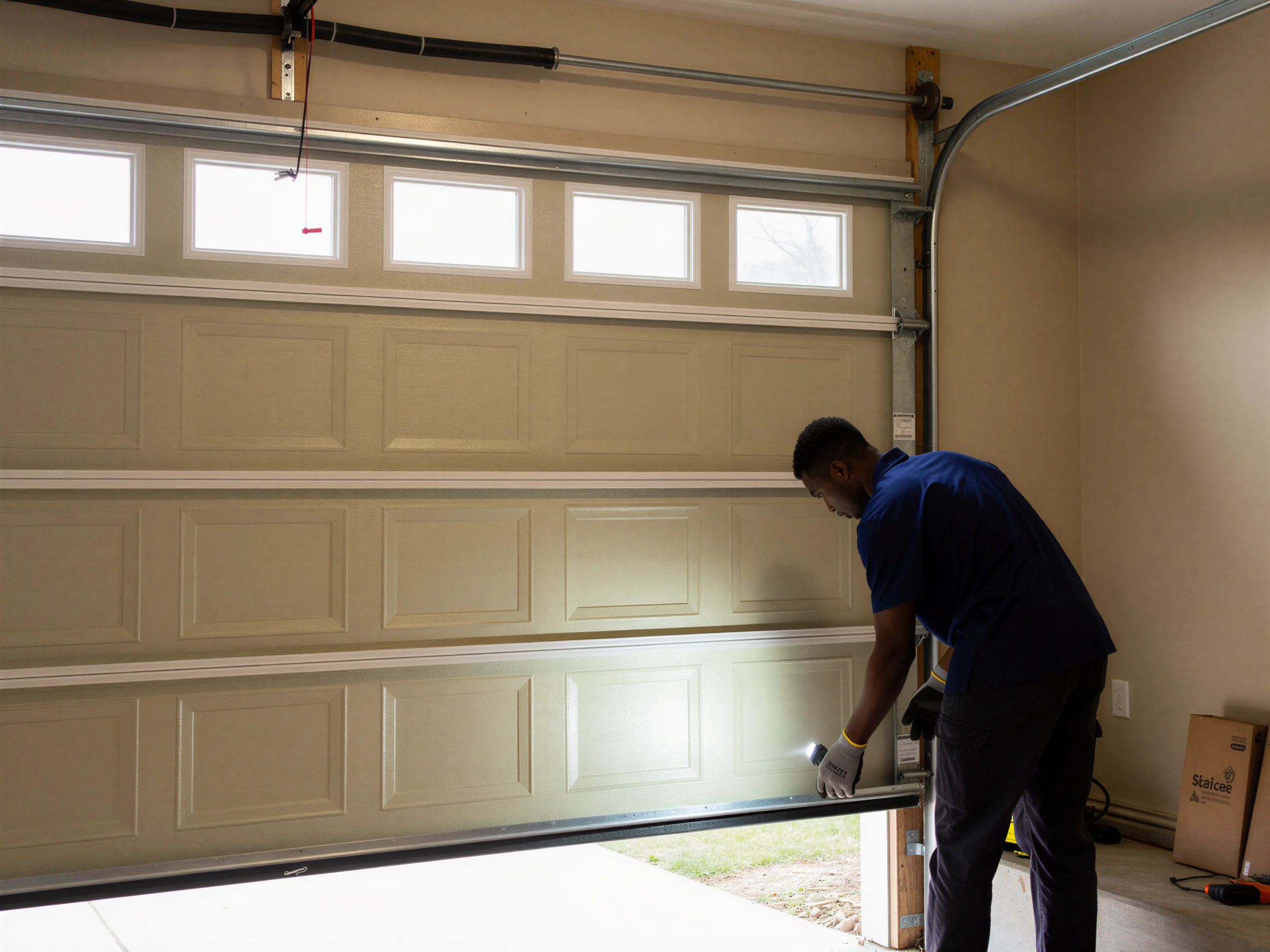
Doing It Yourself
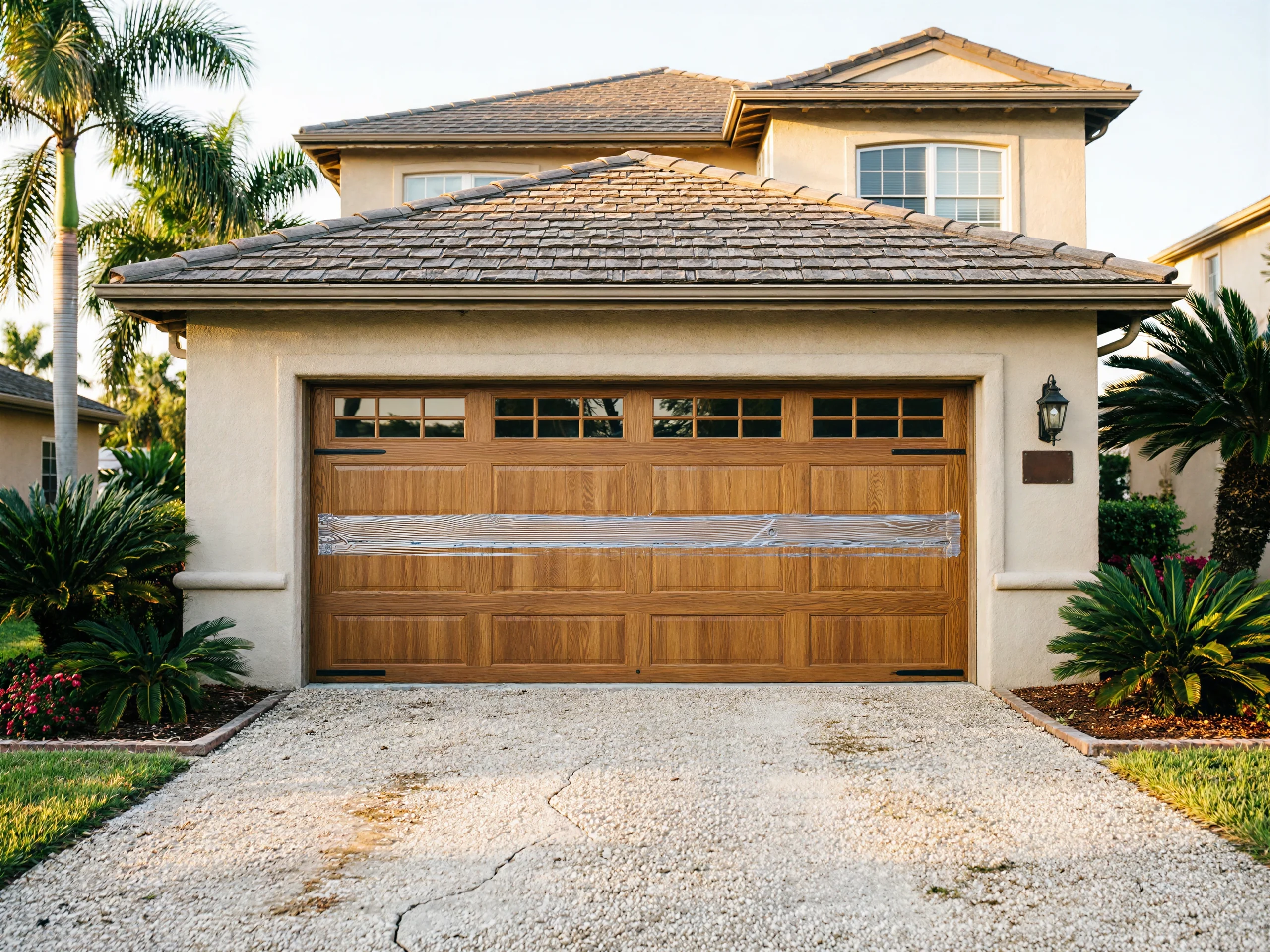
Before you touch anything, know what you're looking at. A door from the early 1980s in this part of Florida is almost always a steel sectional, single or double width, hung on a torsion spring system that's now pushing 40 years old. These were built for a mild climate and built light - thinner gauge steel than what goes up today, and no insulation layer on most of them.
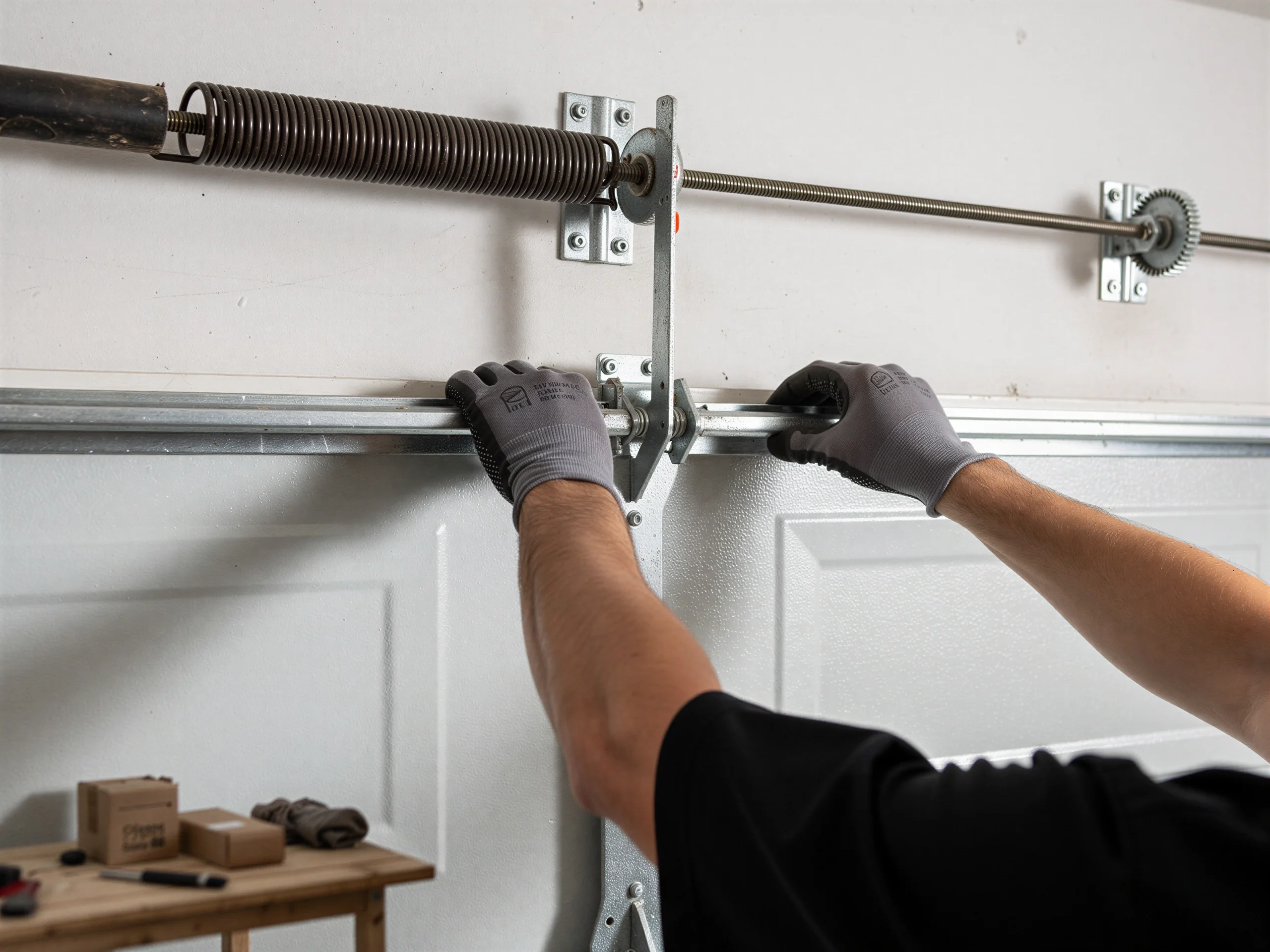
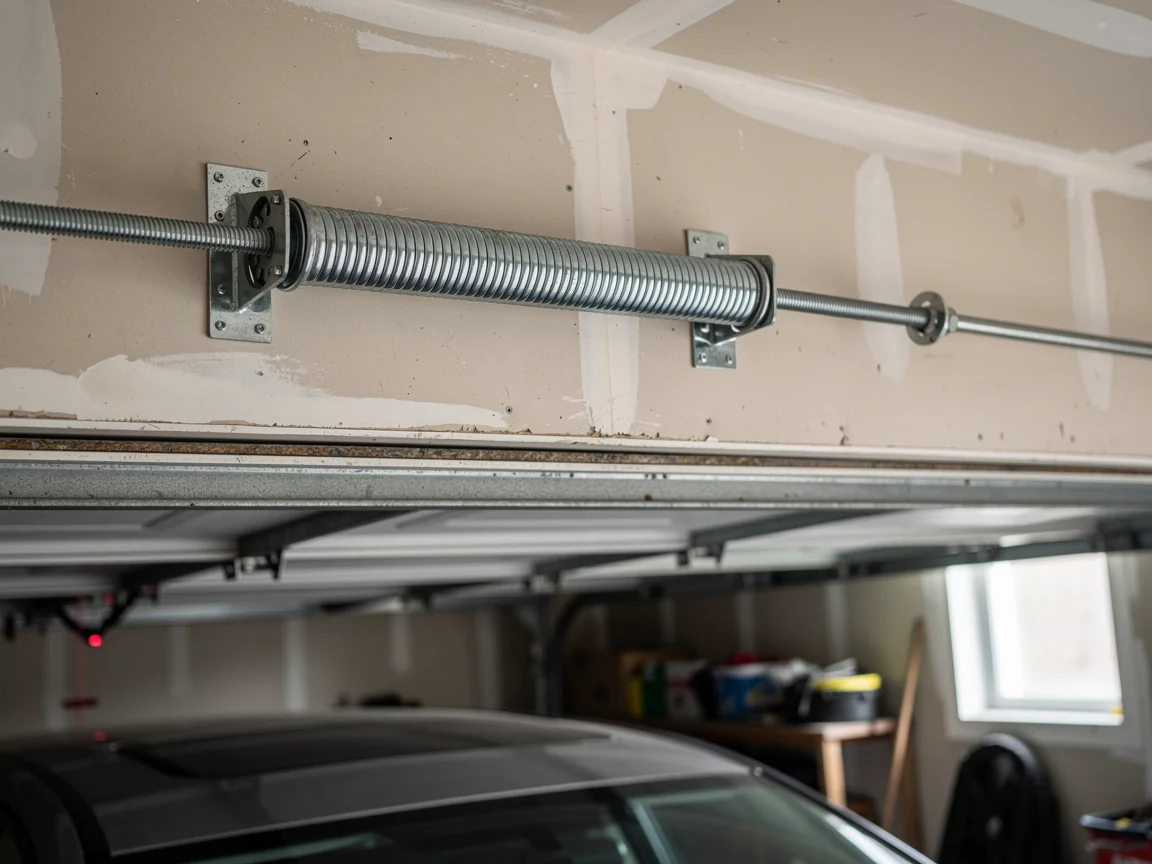
There's plenty you can safely check yourself: tighten loose hinge bolts, clear track of sand or debris, lubricate rollers, test the auto-reverse by placing a 2x4 under the door. What you should not touch is the torsion spring itself. A spring wound for a 1980s-weight door still holds enough stored force to break a wrist or worse if it lets go while you're working on it. That's not a sales pitch - it's just the one repair on this list that isn't a weekend job, regardless of your tools.
Booking a Visit
We run out of North Port, about 4 miles from Warm Mineral Springs, so there's no separate branch here and no local same-day promise we can make that we haven't verified - if a part needs ordering, that's the honest timeline, not a guess. What we can tell you is the drive itself is short compared to some of the other communities in the service area; Charlotte Harbor and South Venice sit closer to 11 and 13 miles out, so a truck headed to Warm Mineral Springs isn't crossing the whole territory to get to you.
When you call, have the door's age and whether it's single or double width ready - for a neighborhood built mostly in the early-to-mid 1980s, that alone tells us a lot about what spring and track hardware we're likely dealing with before the truck even leaves.
How It Shows Up
On a door this age, the failure pattern is pretty consistent. The torsion spring loses tension gradually, so the door gets harder to lift by hand well before it fails outright - if you're muscling a door that used to lift with one finger, the spring is near the end of its life, not the opener.
Grooved rollers stick
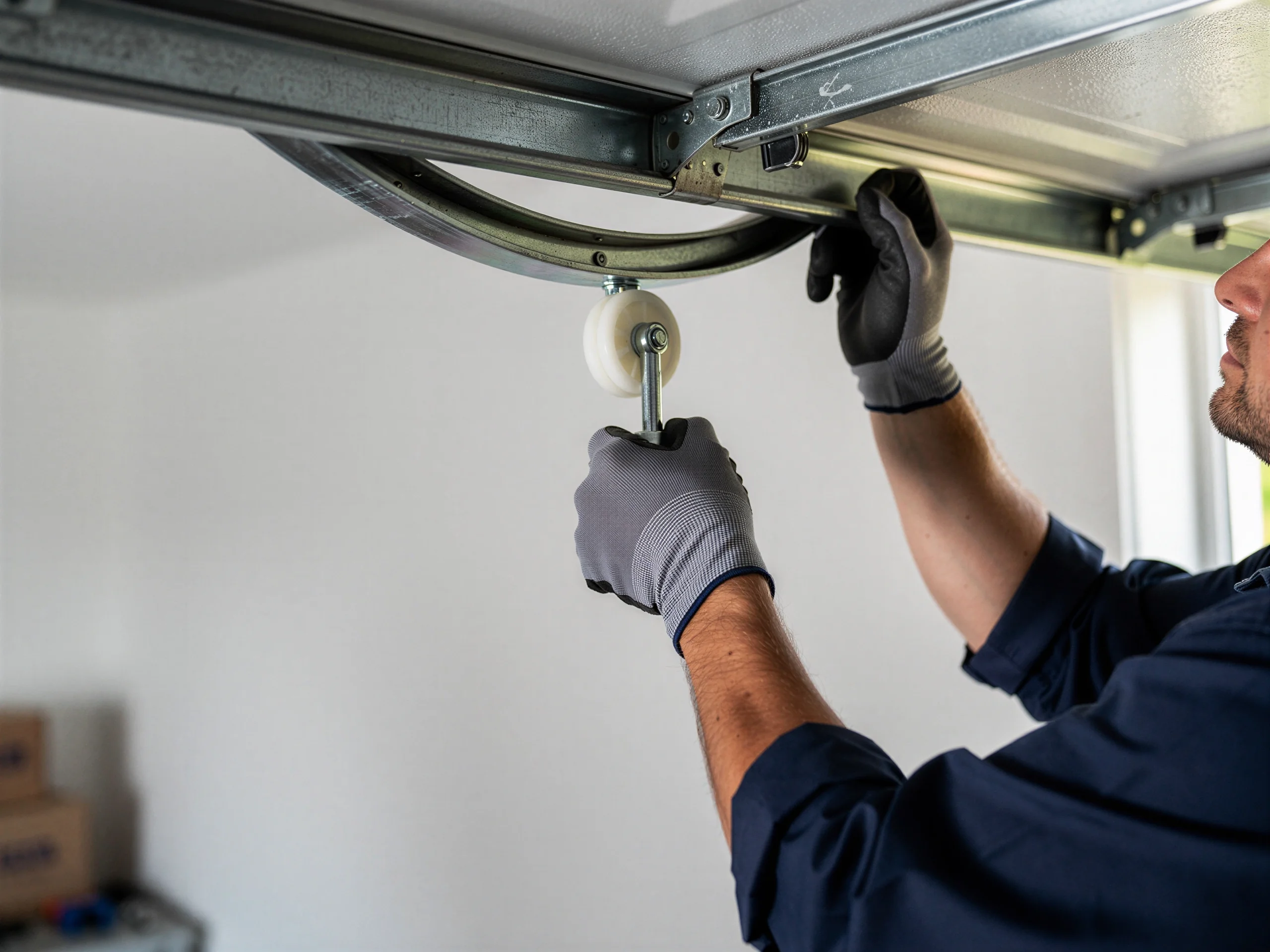
Rollers on the original steel track tend to groove and stick rather than fall out cleanly, which shows up as a jerky, uneven rise instead of a smooth one.
Frayed bottom-bracket cables
Cables fraying at the bottom bracket is another one we see on doors from this build era, since the galvanized coating on older cable doesn't hold up forever in a mild, humid climate even without salt exposure.
Sudden spring-break drop
None of this is dramatic until the day it is - a door that's been hard to lift for months can come down hard and fast once the spring actually snaps.
What Causes It Around Here
Two things stack up on a house built around 1984: age and a mild temperate climate that's more humid than dry. Steel hardware doesn't rust out here the way it would somewhere with hard freezes and road salt, but constant humidity still works on galvanized coatings and bare steel over four decades, especially on springs and cable that were never upgraded.
The other factor is simply that houses in this part of the service area were mostly built in a narrow window - 1968 to 2003, with 1983 as the rough median across the wider area - so a lot of garages here are hitting hardware end-of-life at roughly the same time. That's not a coincidence of bad luck, it's a batch of doors aging out together.
What the Repair Takes
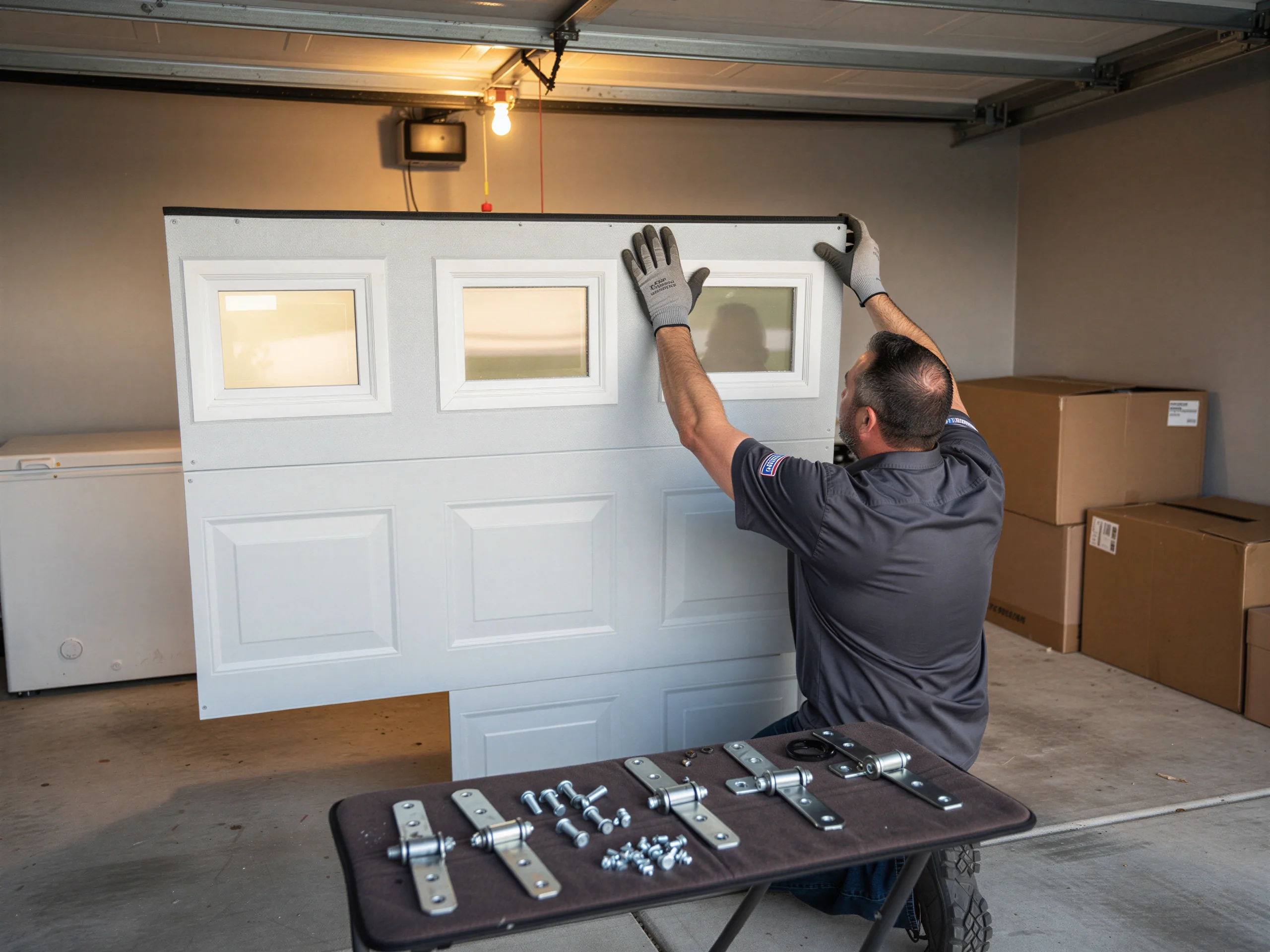
Most jobs on a door from this era come down to matching parts to hardware that isn't exactly what's sold new today.
Spring sizing for older doors
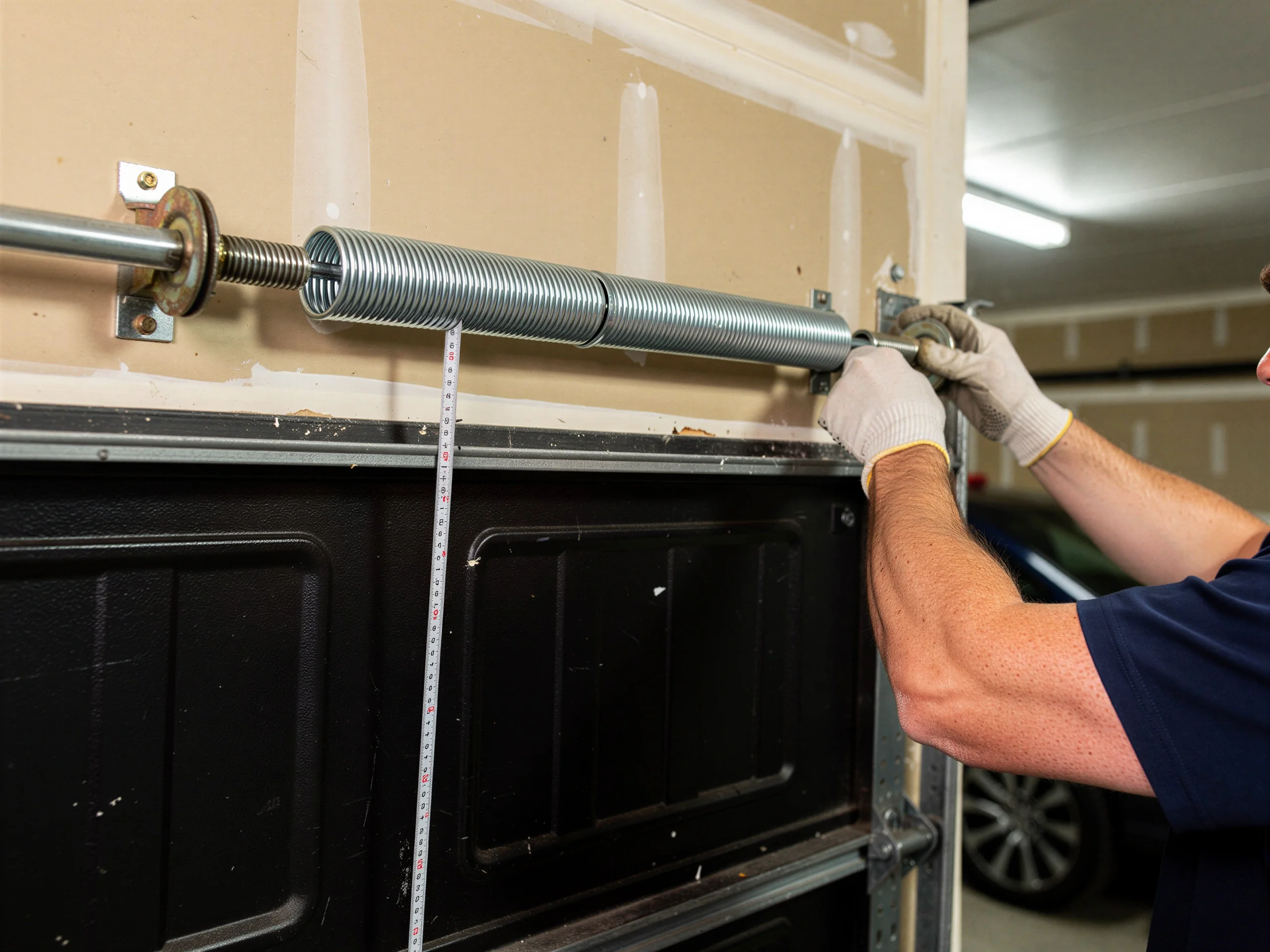
Torsion springs are sized by the door's weight and the drum, and a 1980s steel door usually weighs less than a modern insulated one, so a modern off-the-shelf spring sized for today's doors can be wrong for an older panel. We measure rather than assume.
Spring service in one visit
A full spring and cable service on a single door is usually a same-visit job once we're on site, since those parts are common stock. Full panel replacement is slower - matching the exact size and finish of a discontinued 1980s steel panel sometimes isn't possible, and at that point replacing the whole door is the more honest answer than chasing a part that doesn't exist anymore.
What Is on the Truck
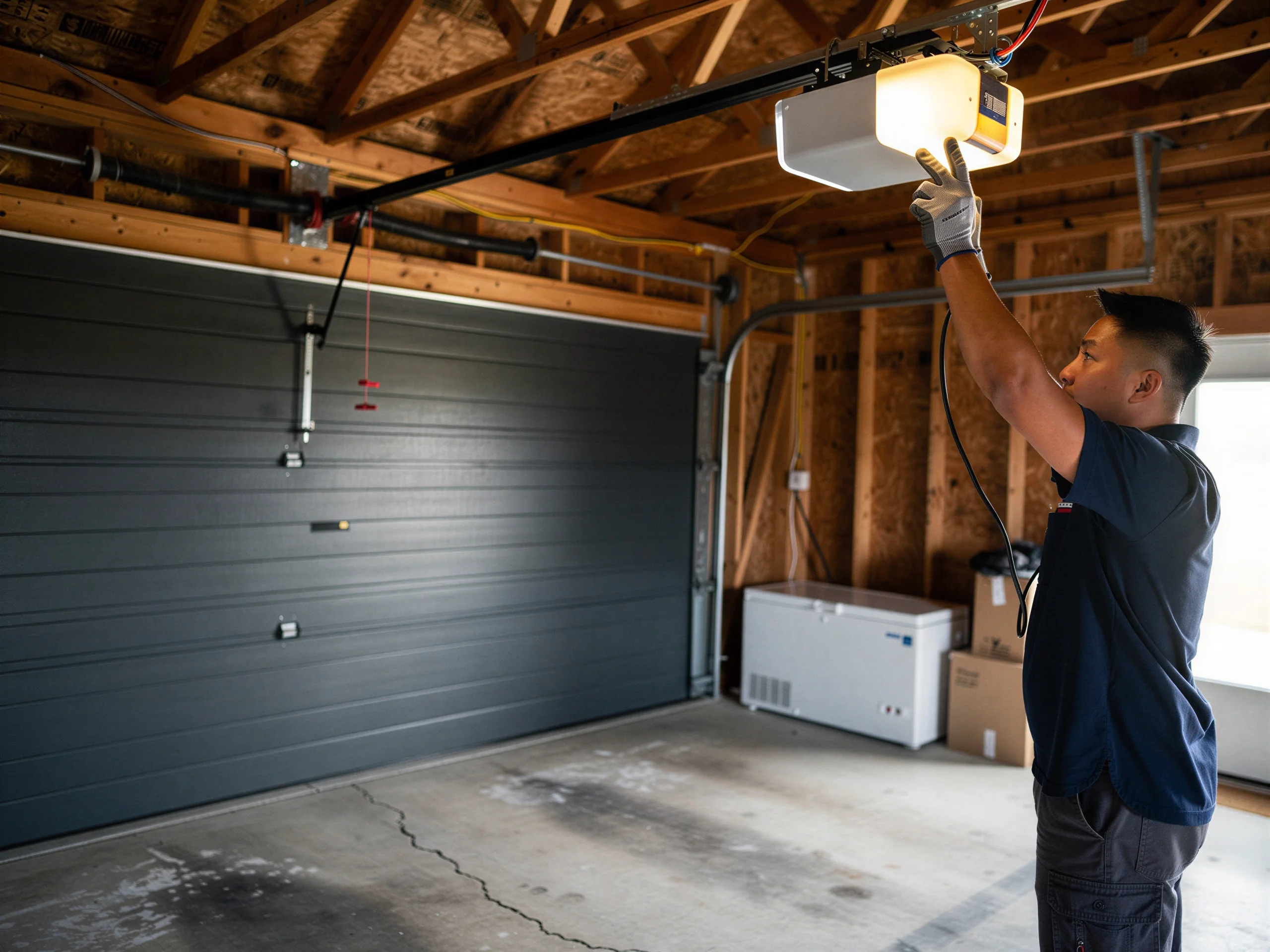
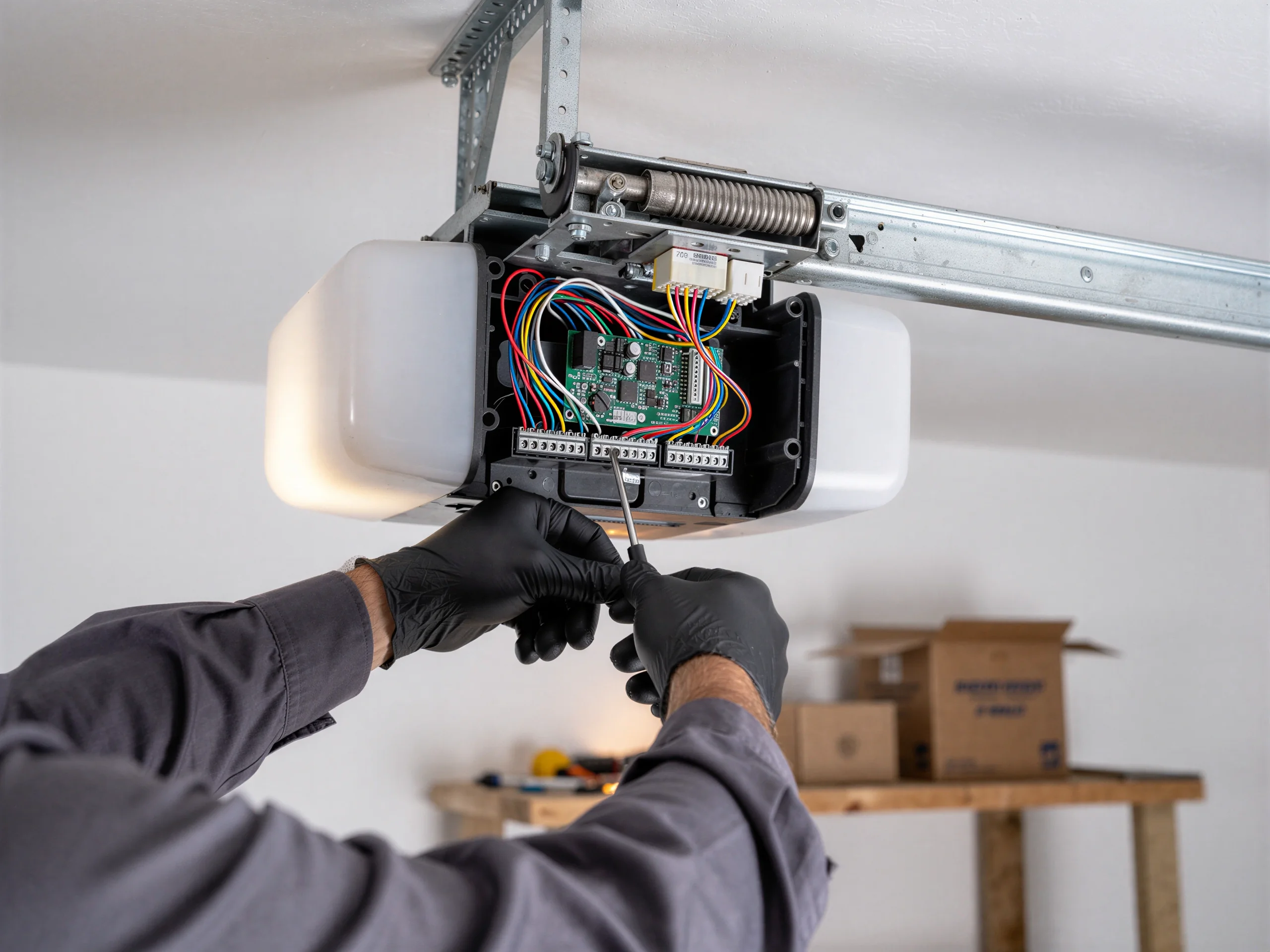
For this kind of work, the truck carries torsion springs across the weight range that covers 1980s and 1990s steel doors, standard-lift cable, galvanized rollers in both nylon and steel, and track sections sized for single and double openings. We also carry basic opener drive components, since a door that's hard to lift tends to burn out the opener's motor or stripped gear long before anyone notices the spring is the real problem.
What we don't carry is a guess at panel styles we haven't seen - if your door needs an exact color or panel match from a line that's been discontinued since the 1980s, that's a call we make in person, not off the truck.
Talk to a local pro
Garage door service in North Port?
Same-day service with honest, upfront quotes.