Doing It Yourself
Median household income here runs $51,419, lower than the $60,885 median across the wider North Port service area, and that gap matters when a tech tells you whether to fix the opener or swap it.
Board swap versus new
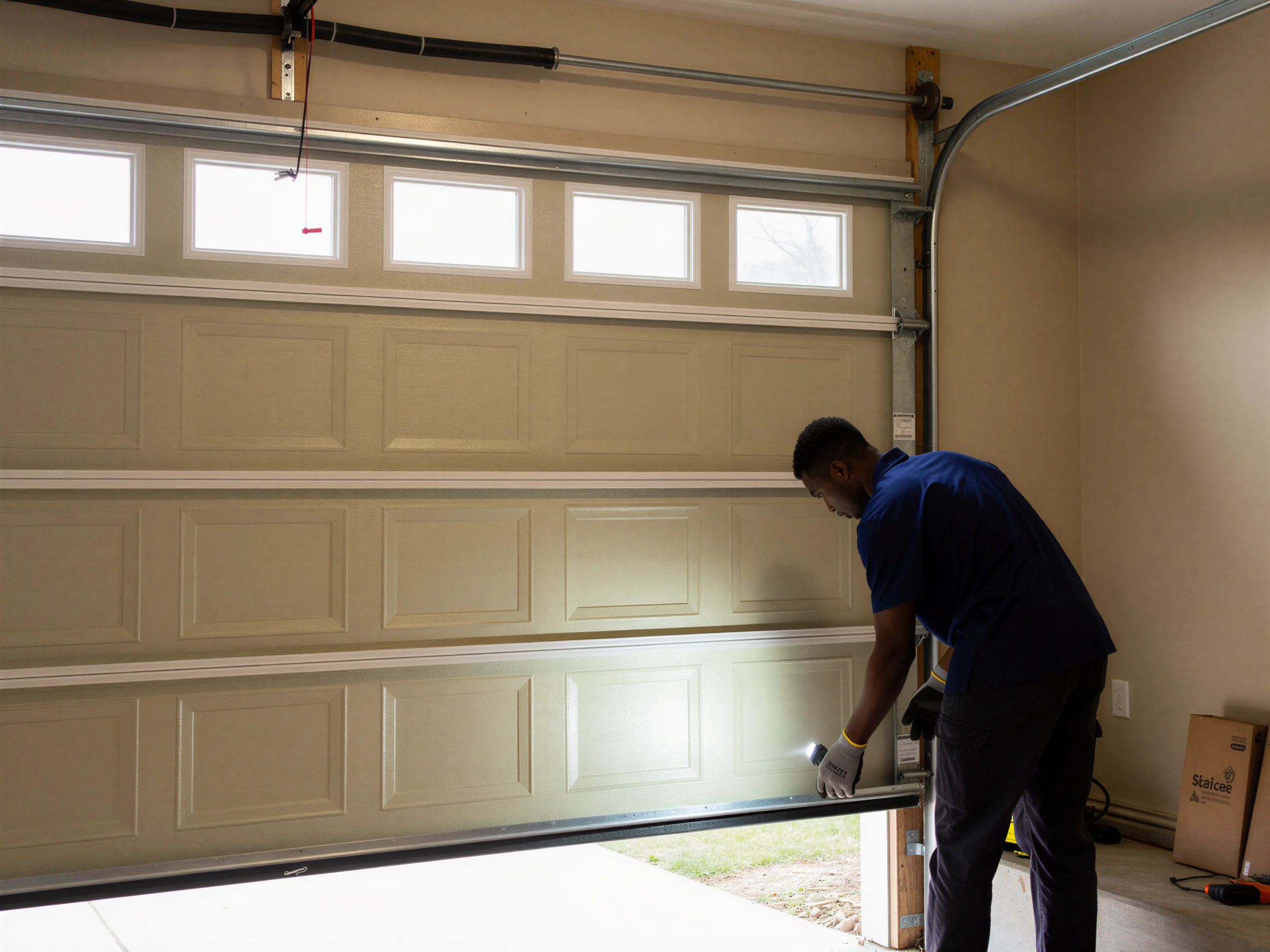
At this income level, a $300-400 circuit board swap on a unit already past 30 years old rarely pencils out against a new opener with a warranty. Before you call anyone, there are a few things worth checking yourself. Pull the cord to confirm the trolley hasn't disengaged from the carriage - a common issue on older chain-drive units.
Wall button light check
Check that the wall button lights up when pressed; no light usually means a dead transformer or a tripped breaker, not a motor problem. Look at the sensor eyes near the floor on each side of the track - a blinking light on one side means they're misaligned or something's blocking the beam, and that alone stops a door from closing.
Hands-off motor housing
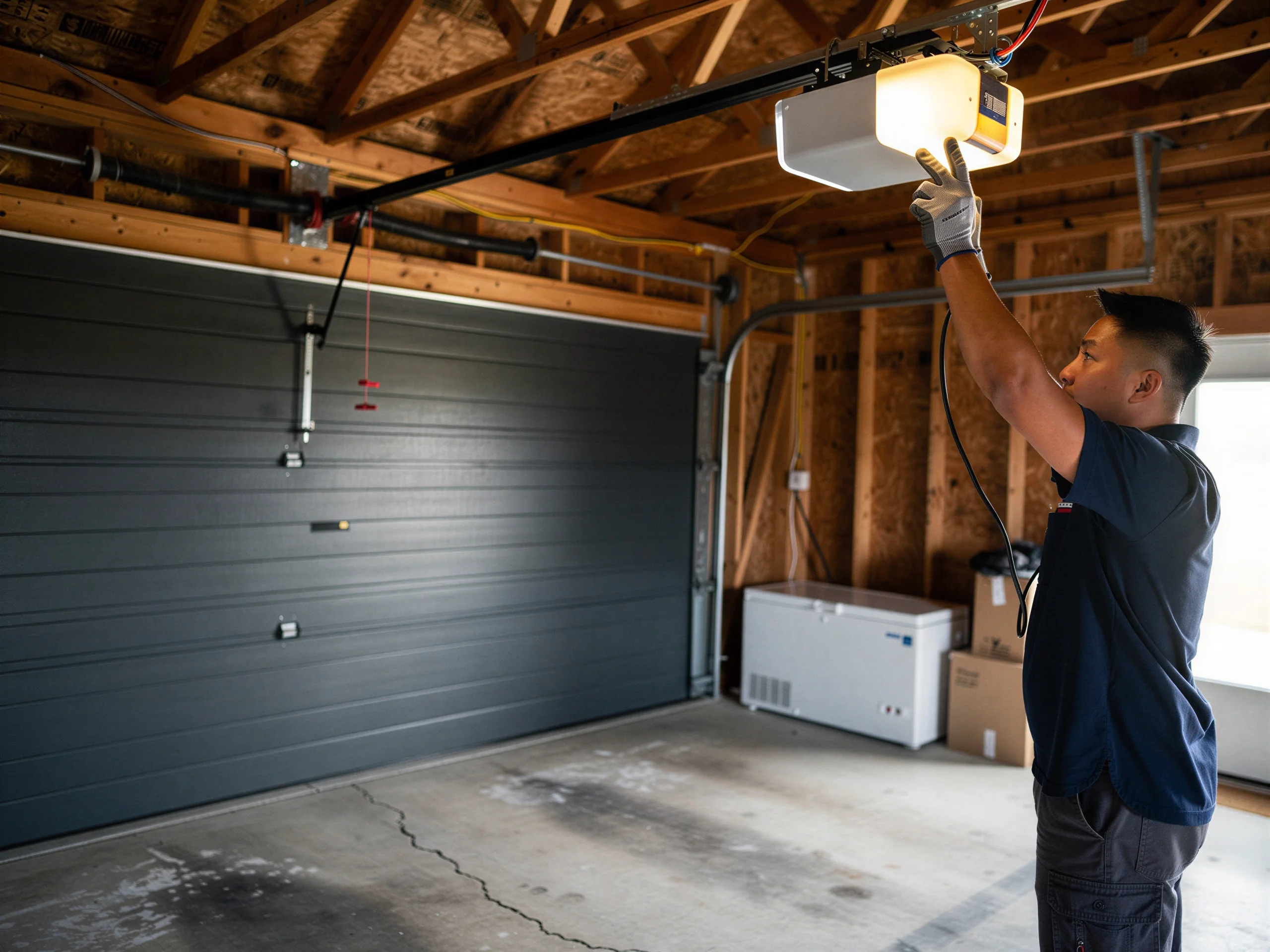
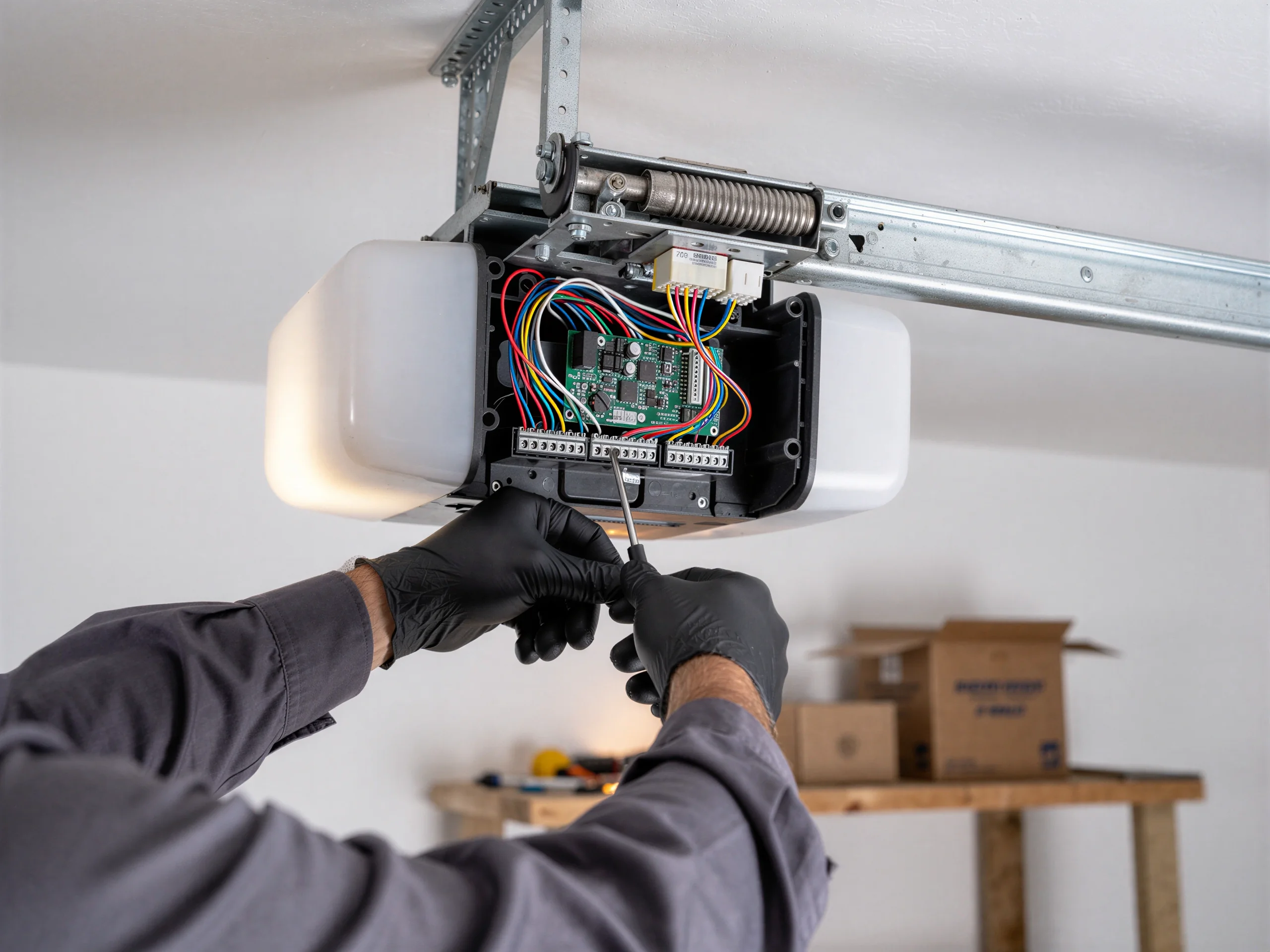
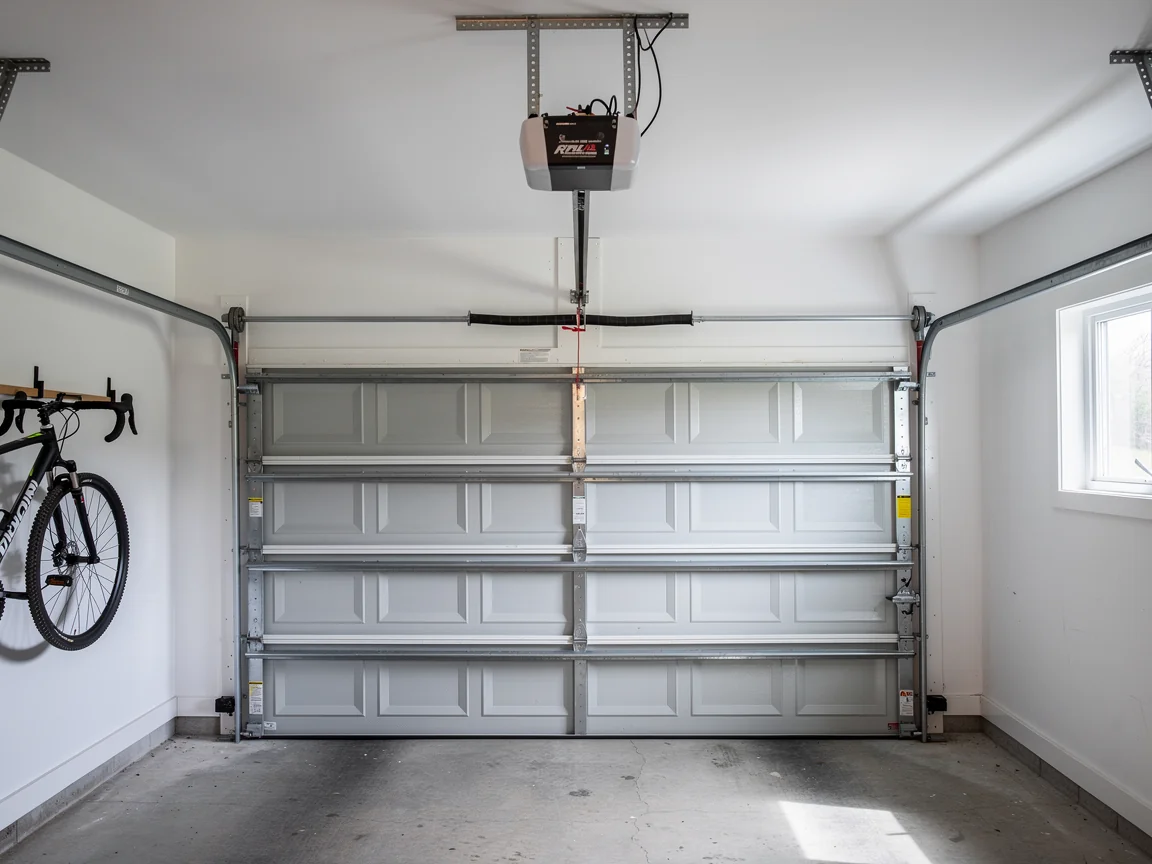
None of this requires tools beyond a flashlight. What you shouldn't do yourself is open the motor housing or touch the logic board. If the opener hums but the door doesn't move, or the gear strips (a plastic part that fails quietly and often), that's a parts-and-labor call, not a weekend project.
Booking a Visit
Warm Mineral Springs doesn't have its own garage door shop - the trucks run out of North Port, about 4 miles up the road, so there's no separate branch or local crew to wait on.
Short distance, same afternoon
That short distance means a tech working this side of the service area can usually fold a Warm Mineral Springs call into the same afternoon as nearby stops.
Brand and house age
When you book, have the opener's brand and the approximate age of the house ready; with 2,674 households here, most built close to 1984, that age alone tells a tech a lot about whether they're walking into a chain-drive unit on steel rail or something updated more recently.
Describe door movement
Mention whether the door moves at all, moves partway, or doesn't respond to the remote or wall button - that distinction changes what gets loaded on the truck before anyone leaves North Port.
How It Shows Up
On a house from the early-to-mid 1980s, the opener failure pattern is pretty consistent: the motor runs but the chain or belt doesn't pull the trolley, because the drive gear inside the housing has worn down to plastic dust.
Motor hums, door idle
You'll hear the motor but see no movement, or the door will reverse immediately after it starts closing. Remotes that used to work from the driveway now need you standing under the unit to get a response - that's a weakening receiver board, not a dead battery, if you've already swapped the battery and it hasn't helped.
Capacitors stalling in afternoon
Some owners report the door opening fine in the morning and stalling halfway by afternoon; in a mild temperate climate like this one, that's less about heat extremes and more about aging capacitors that lose strength as they warm through the day.
Unattended reversing door caution
None of these are urgent safety issues on their own, but a door that reverses unpredictably or won't fully seat on the floor is one you shouldn't leave running unattended, especially with kids or pets near it.
What Causes It Around Here
The housing stock across this part of the service area mostly dates to the 1980s and 90s, and Warm Mineral Springs sits right in that window with a median build year of 1984. Openers from that era were built with steel gears or early plastic gears that were never meant to outlast the house - 35-40 years of daily cycles is well past what manufacturers rated them for. The mild temperate climate here is actually gentler on openers than a freeze-thaw climate would be; there's no ice loading the door or killing a weak capacitor overnight. What does wear things down is simple cycle count and age of lubricant - grease on rail and chain that's gone dry and gummy after three decades does more damage to a drive system than any single weather event. Add in circuit boards that were never designed to run modern rolling-code remotes, and a lot of these openers are failing from age and mismatch, not from anything dramatic happening to the house.
What the Repair Takes
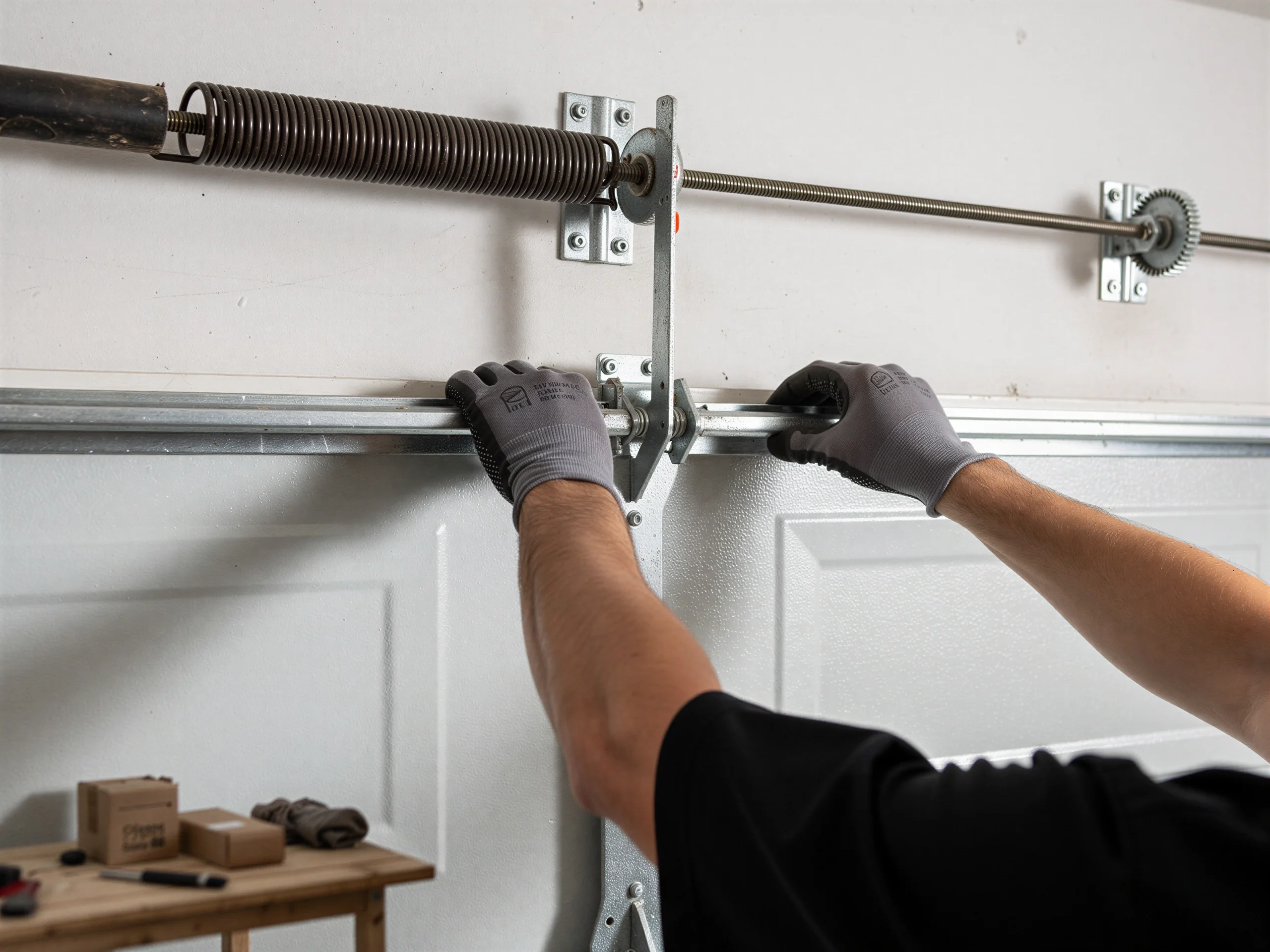
A straightforward fix - sensor realignment, wall button swap, or chain tensioning - takes under an hour once a tech is on-site. A gear and sprocket kit replacement, which covers most of the stripped-gear failures on 1980s-era units, usually runs an hour to ninety minutes including testing the travel limits afterward.
Board stock checked first
Circuit board replacement is the one that needs a parts check first; boards for openers this old aren't always on the truck, since manufacturers phase them out faster than the openers themselves fail.
Honest new-opener comparison
If a board isn't in stock, that's a return trip, and it's also the point where a tech should be telling you honestly whether a new opener costs less than chasing parts for a 40-year-old motor.
Limited budget for repairs
Given the median income here, that comparison matters more than it might in a wealthier part of the service area - there's less room to spend on a repair that buys another year or two.
What Is on the Truck
For a service area where most openers are pushing three to four decades old, the truck carries drive gear and sprocket kits, trolley assemblies, replacement sensor eyes, and wall-button units as standard stock, since those cover the bulk of what fails on houses from the 1980s and 90s. Chain and belt sections for standard residential rail widths are also kept on hand. What isn't always on the truck is a specific circuit board for a discontinued motor - that's the one honest gap. Boards vary enough by brand and production year that carrying every version isn't practical, so a tech may need to order one rather than fix it on the first visit. For most calls in Warm Mineral Springs, though, the failure is mechanical - gear, chain, or sensor - and that's resolved same-visit with parts already on board.
Talk to a local pro
Garage door service in North Port?
Same-day service with honest, upfront quotes.